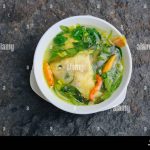
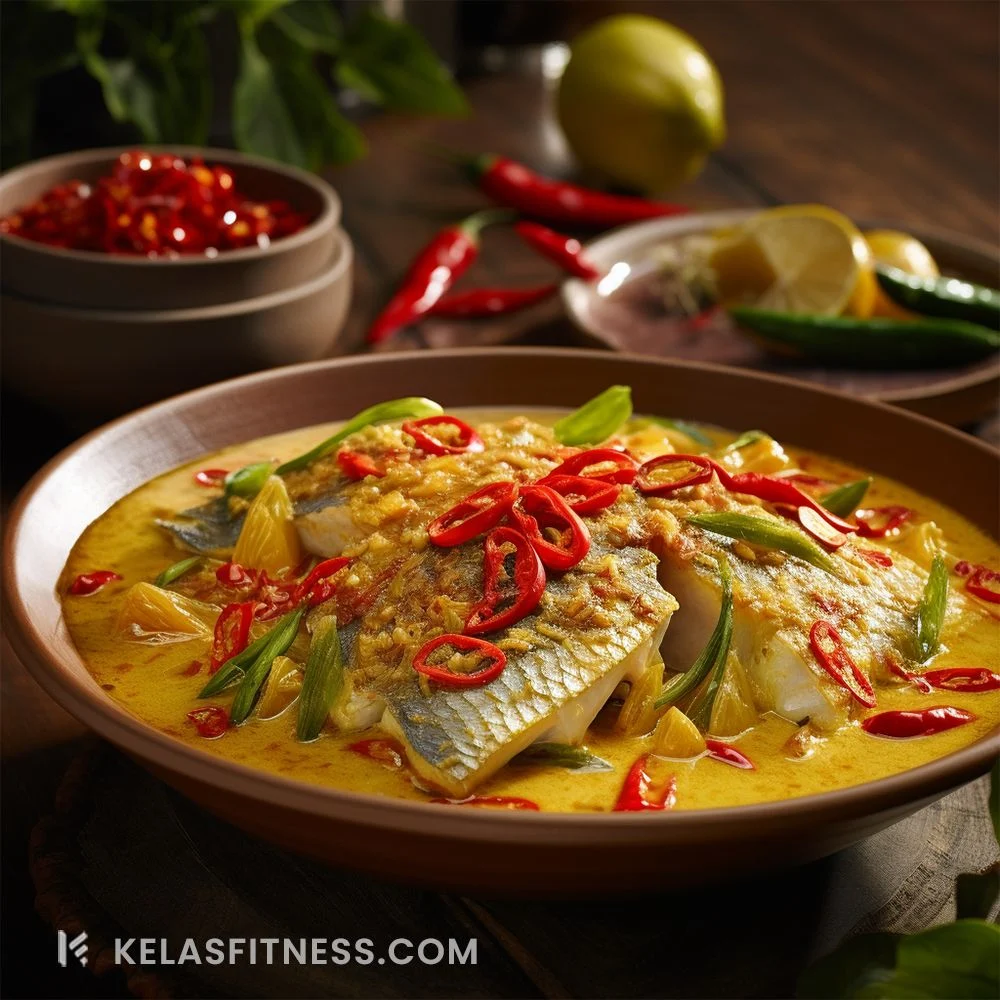

At its heart, this dish is a celebration of two distinctive Indonesian ingredients: tempoyak and ikan bandeng (milkfish). Tempoyak, a fermented durian paste, is a polarizing ingredient, much like the fruit it originates from. For those who appreciate its unique, umami-rich funk, it provides an unparalleled depth of flavor. Ikan bandeng, on the other hand, is a widely consumed fish known for its delicate flesh, though it is also notorious for its numerous fine bones. The challenge of preparing milkfish is often overcome through skillful cooking techniques, and in this dish, it finds a perfect partner in the robust tempoyak.
The ‘Kuah Kuning’ or yellow gravy is the soul of this dish. Its vibrant hue and aromatic profile are derived from a blend of fresh turmeric, ginger, galangal, lemongrass, and chilies, which are typically pounded or blended into a smooth paste. This spice paste, sautéed until fragrant, forms the foundational flavor layer upon which the other ingredients are built. The addition of coconut milk lends a creamy richness, balancing the intensity of the spices and the pungency of the tempoyak.
This article aims to be your comprehensive guide to creating authentic Seafood Tempoyak Ikan Bandeng Kuah Kuning in your own kitchen. We will explore the nuances of each component, from selecting the freshest ingredients to mastering the cooking process, ensuring you can recreate this culinary masterpiece with confidence.
Let’s begin by dissecting the key ingredients. The star, ikan bandeng, should ideally be fresh, with firm flesh and clear eyes. When purchasing, look for milkfish that have been descaled and cleaned. If you are particularly sensitive to the fishy odor often associated with milkfish, rinsing them thoroughly with lime juice or saltwater can help neutralize it.
The preparation of ikan bandeng is crucial. As mentioned, milkfish are known for their intricate bone structure. A common and effective technique to manage these bones is to make several shallow, parallel slits across the flesh of the fish, both sides. These cuts break down the smaller bones, making them less noticeable and easier to chew once cooked. Another popular method involves carefully removing the spine and larger bones, leaving the flesh intact, though this requires more precision.
Next, we delve into the enigmatic tempoyak. This fermented paste is made from ripe durian, which is salted and left to ferment for several days or even weeks. The fermentation process transforms the sweet, creamy durian into a pungent, savory condiment with a distinctively ‘cheesy’ aroma. The quality of tempoyak can vary significantly. For this recipe, it’s best to use a good quality, well-fermented tempoyak. Some prefer a milder tempoyak, while others enjoy the more intense, aged varieties. You can often find tempoyak in Indonesian markets or specialty Asian grocery stores.
If you are new to tempoyak, it’s advisable to start with a smaller amount and adjust to your preference. The flavor can be quite assertive, and a little goes a long way in adding complexity to the dish. Some recipes also involve rinsing the tempoyak to reduce its pungency, but this can also diminish its unique character. Experimentation is key to finding your perfect balance.
The ‘Kuah Kuning’ spice paste, or bumbu halus, is the aromatic backbone. The essential ingredients include: fresh turmeric, which provides the signature yellow color and earthy flavor; ginger and galangal, offering warmth and a subtle citrusy note; shallots and garlic, for pungency and depth; and a generous amount of chilies, to provide the desired level of heat. Lemongrass, bruised, adds a fragrant, citrusy aroma.
The preparation of this spice paste is critical for unlocking its full flavor potential. Traditionally, these ingredients are pounded using a mortar and pestle until a smooth paste is achieved. This traditional method is believed to release more oils and aromas from the spices than blending. However, a food processor or blender can be used as a modern alternative, though you may need to add a little water or oil to help achieve a smooth consistency.
Once the spice paste is ready, it’s time to sauté it. This step is crucial for mellowing the raw flavors of the spices and developing their full aromatic complexity. Heat a generous amount of cooking oil in a pot or wok over medium heat. Add the spice paste and stir-fry continuously until it darkens slightly, becomes fragrant, and the oil begins to separate from the paste. This process, known as ‘tumis,’ can take several minutes and is essential for a well-flavored dish.
Following the sautéing of the spice paste, the liquid base is introduced. This typically includes water and coconut milk. The coconut milk, preferably fresh or good quality canned full-fat coconut milk, adds a luxurious creaminess and richness that beautifully complements the spicy and pungent elements. Start with a moderate amount of coconut milk and add more to achieve your desired consistency and richness.
The cooking liquid is brought to a gentle simmer. It is at this stage that the ikan bandeng is introduced. To prevent the fish from breaking apart too much, it’s best to add the fish gently into the simmering broth. Allow the fish to cook through in the flavorful broth, absorbing all the delicious spices and aromas. The cooking time will depend on the size of the fish, but typically 15-20 minutes should suffice.
The tempoyak is then added to the simmering broth. Stir it in gently, allowing its unique flavor to meld with the other ingredients. Be mindful of the amount you add, especially if you are using a strong-flavored tempoyak. Taste and adjust as needed. Some cooks also add a pinch of sugar to balance the flavors, particularly if the tempoyak is very sour.
Beyond the main components, several other ingredients contribute to the symphony of flavors. A common addition is a stalk of bruised lemongrass, which infuses the broth with its distinctive citrusy fragrance. Kaffir lime leaves, torn to release their aroma, also add a wonderful layer of complexity. Some variations may include a bay leaf or a touch of tamarind paste for added sourness.
The cooking process requires attention. You want the broth to simmer gently, allowing the flavors to meld without boiling vigorously, which can cause the coconut milk to split. The fish should be cooked until tender and flaky, and the sauce should have thickened slightly to a desirable consistency.
Serving Seafood Tempoyak Ikan Bandeng Kuah Kuning is an experience in itself. It is traditionally served hot, straight from the pot, accompanied by steaming white rice. The rice acts as a perfect canvas, soaking up the rich, flavorful broth and tempering the intensity of the spices and tempoyak.
Garnishes can elevate the presentation and add fresh counterpoints to the dish. Fresh cilantro leaves, chopped bird’s eye chilies for an extra kick, or a squeeze of lime juice can provide a bright, herbaceous finish. Some also like to add thinly sliced red onions or fried shallots for added texture and flavor.
The cultural significance of this dish is deeply rooted in Indonesian culinary traditions, particularly in regions where durian and milkfish are abundant, such as Sumatra and parts of Java. It represents a resourceful use of local ingredients and a testament to the Indonesian palate’s appreciation for bold, complex flavors. It’s a dish often found on family dinner tables, shared during celebrations, or enjoyed as a comforting meal on a cool evening.
For those new to tempoyak, the initial aroma might be challenging. However, persistent exploration of Indonesian cuisine often leads to a deeper appreciation for fermented ingredients. Tempoyak, once integrated into a dish like this, transforms into a complex umami enhancer, far removed from the raw fruit’s sweetness.
The choice of fish can be adapted. While ikan bandeng is traditional, other firm-fleshed fish like grouper, snapper, or even firm tofu can be used as a substitute if milkfish is unavailable or if you prefer to avoid the bones. However, the distinct character of milkfish is a key element in the authentic preparation.
The heat level is entirely customizable. If you prefer a milder dish, reduce the number of chilies used or remove the seeds before blending. Conversely, for those who crave a fiery experience, increase the chili quantity or add more bird’s eye chilies for an extra burst of heat. The spice paste is your playground for flavor customization.
The consistency of the kuah kuning can also be adjusted. If you prefer a thicker gravy, you can simmer it for longer to allow more liquid to evaporate, or you can add a cornstarch slurry (cornstarch mixed with water) towards the end of cooking. If you prefer a thinner, soupier consistency, simply add more water or coconut milk.
When sourcing ingredients, freshness is key. For the spices, using fresh turmeric, ginger, and galangal will yield a far superior flavor compared to powdered versions. Similarly, fresh lemongrass and kaffir lime leaves contribute significantly to the aromatic profile.
The process of making tempoyak itself is a fascinating aspect of Indonesian food culture. It’s a testament to preservation techniques and the ability to transform ingredients into something entirely new and delicious. If you have access to ripe durian, you might even consider embarking on the journey of making your own tempoyak, though this requires patience and a willingness to embrace the pungent aroma.
In summary, Seafood Tempoyak Ikan Bandeng Kuah Kuning is more than just a meal; it’s an edible narrative of Indonesian culture, a fusion of bold flavors, and a testament to the country’s rich biodiversity. It’s a dish that rewards patience, experimentation, and an adventurous palate.
Embarking on the creation of this dish is an opportunity to connect with the authentic flavors of Indonesia. Each step, from preparing the fish to simmering the aromatic broth, contributes to a culinary experience that is both deeply satisfying and culturally enriching. So, gather your ingredients, embrace the unique flavors, and prepare to be transported to the heart of Indonesian cuisine.