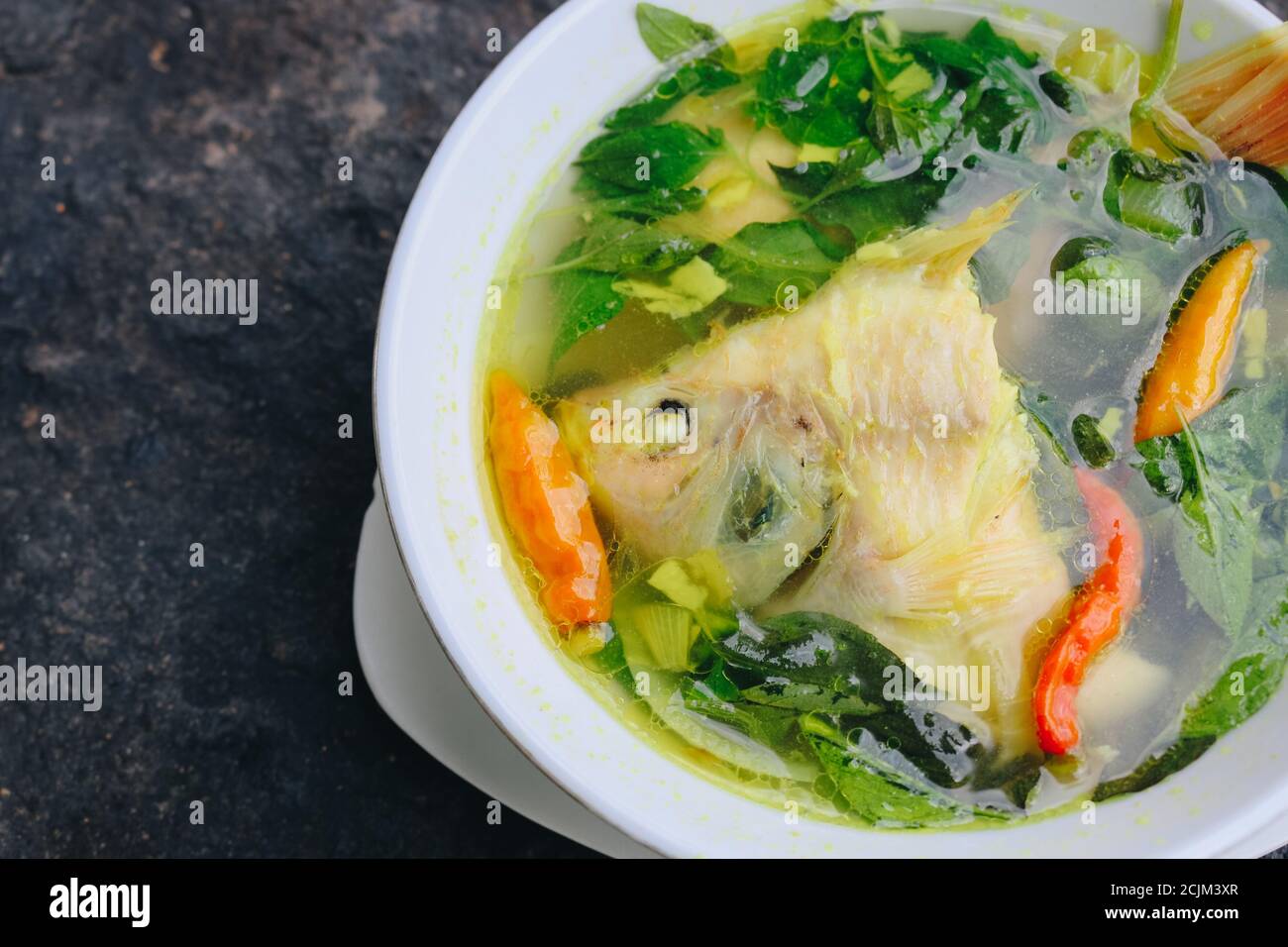


Secondly, the Gurame fish. For the best results, choose fresh, medium-sized Gurame. The fish should be cleaned thoroughly, and often, shallow slashes are made on its sides to allow the curry flavors to penetrate more deeply during the cooking process. Some recipes also suggest lightly frying the fish before adding it to the curry, which helps to firm up its texture and prevent it from breaking apart too easily.
The ‘Kuah Kuning’ or yellow curry sauce is the third vital element. This is typically a blend of aromatic spices and herbs, often including turmeric (which gives it its characteristic yellow hue), galangal, ginger, garlic, shallots, chilies, lemongrass, and candlenuts. The addition of coconut milk provides a creamy, luxurious base, while tamarind paste often lends a subtle sourness that complements the tempoyak.
The preparation of the spice paste, or ‘bumbu halus,’ is a critical step in achieving the authentic flavor of the yellow curry. Traditionally, these ingredients are pounded together using a mortar and pestle, a method that releases their essential oils and creates a finer texture than blending. However, a food processor or blender can be used as a modern alternative, though care should be taken not to over-process into a watery paste.
For the Fish and Marinade: 1 large Gurame (approx. 500-700g), cleaned and scored; 1 tablespoon lime juice; 1 teaspoon salt.
For the Yellow Curry Paste (Bumbu Halus): 8-10 shallots, peeled; 4-5 cloves garlic, peeled; 2-inch piece of galangal, sliced; 2-inch piece of ginger, sliced; 1-inch piece of turmeric, sliced (or 1 tsp turmeric powder); 3-5 bird’s eye chilies (adjust to spice preference); 2 stalks lemongrass (white part only), sliced; 3-4 candlenuts (kemiri), toasted (optional, for thickening and richness).
For the Curry Sauce: 2 tablespoons cooking oil; 1 stalk lemongrass, bruised; 2 kaffir lime leaves, torn; 1-2 tablespoons tempoyak (adjust to taste); 400ml thick coconut milk; 200ml water (or thin coconut milk); 1 teaspoon tamarind paste, dissolved in 2 tablespoons water; Salt and sugar to taste.
Optional additions can elevate the dish further. Some cooks include small chunks of pineapple for a sweet and tangy contrast, or okra for added texture. A few sprigs of Vietnamese mint (daun kesum) or basil can also be added towards the end of cooking for a fresh, herbaceous finish.
The cooking process begins with preparing the fish. Marinate the cleaned and scored Gurame with lime juice and salt. This not only seasons the fish but also helps to remove any potential fishy odor. Set aside while you prepare the curry paste.
Next, prepare the spice paste. If using a mortar and pestle, pound all the ‘bumbu halus’ ingredients until a smooth paste is formed. If using a blender or food processor, add a little oil or water to help the blades move and process until smooth. Toasting the candlenuts beforehand enhances their flavor and makes them easier to grind.
Now, heat the cooking oil in a wok or a deep pan over medium heat. Add the bruised lemongrass stalk and torn kaffir lime leaves. Sauté for about a minute until fragrant. This step infuses the oil with aromatic compounds.
Add the prepared spice paste to the wok. Stir-fry continuously, breaking up any clumps, until the paste is fragrant and the oil begins to separate from the paste. This process, known as ‘menumis bumbu,’ is crucial for developing the deep flavors of the curry and cooking out any raw taste from the spices. Be patient; this can take 5-10 minutes.
Once the spice paste is well-cooked, add the tempoyak. Stir well and continue to cook for another 2-3 minutes, allowing the tempoyak to meld with the spice paste and release its unique aroma and flavor.
Pour in the thick coconut milk and water (or thin coconut milk). Stir to combine everything smoothly. Bring the mixture to a gentle simmer, but avoid boiling vigorously, as this can cause the coconut milk to split.
Add the tamarind water, salt, and sugar. Stir well and taste. Adjust the seasoning as needed. The balance of salty, sweet, sour, and the pungent notes of the tempoyak is key here. This is where personal preference plays a significant role.
Gently place the marinated Gurame fish into the simmering curry sauce. Ensure the fish is submerged as much as possible. Cover the pan and let it simmer gently for about 10-15 minutes, or until the fish is cooked through and flakes easily with a fork. Avoid overcooking, which can make the fish dry and mushy.
If using any optional additions like pineapple chunks or okra, add them during the last 5 minutes of cooking to ensure they are tender but not overcooked.
Towards the very end of the cooking process, if using fresh herbs like Vietnamese mint or basil, stir them in gently. This adds a burst of freshness and aroma that complements the rich curry.
Serve the Seafood Tempoyak Ikan Gurame Kuah Kuning hot. It is traditionally served with steamed white rice, which serves as the perfect canvas to absorb the flavorful curry sauce. Garnish with fresh chilies or cilantro if desired.
The aroma that emanates from this dish is intoxicating – a complex blend of spicy, savory, tangy, and subtly sweet notes, with the unmistakable funk of fermented durian adding a unique signature.
The texture is equally delightful. The flaky, moist Gurame fish contrasts beautifully with the creamy, rich curry sauce. If pineapple is added, its slight crunch and sweetness offer another layer of texture.
For those new to tempoyak, it’s advisable to start with a smaller amount and gradually increase it in subsequent preparations. The fermented durian’s flavor is intense and can be polarizing, but when balanced correctly, it adds an unparalleled depth to the dish.
When selecting Gurame, look for fish with clear eyes, bright red gills, and firm, shiny flesh. A fresh fish will have a clean, mild smell, not an overpowering fishy odor.
The quality of coconut milk also matters. Freshly squeezed coconut milk will yield the best results, but good quality canned coconut milk can also be used. Using both thick and thin coconut milk allows for better control over the sauce’s consistency and richness.
Properly ‘tumis’-ing the spice paste is non-negotiable. Rushing this step will result in a raw, unappealing taste in the final curry. Patience and consistent stirring are key to unlocking the full potential of the aromatics.
Tempoyak can be purchased from specialty Asian markets or made at home. If making at home, ensure you use ripe durian and ferment it in a clean, airtight container in a warm place for several days until it reaches the desired consistency and tanginess.
The versatility of this dish allows for variations. While Gurame is traditional, other firm white fish like snapper or even chunks of firm tofu can be used as substitutes. Seafood like prawns or squid can also be incorporated for a true ‘seafood’ tempoyak experience.
This dish is a culinary adventure, a journey into the heart of Malaysian and Indonesian flavors. It’s a testament to how humble ingredients, when combined with skill and tradition, can create something truly extraordinary.
Enjoying Seafood Tempoyak Ikan Gurame Kuah Kuning is an experience that engages all the senses. The vibrant color, the complex aroma, the rich and layered flavors, and the satisfying textures all come together to create a memorable meal.
It’s a dish that speaks of home, of family gatherings, and of the enduring power of traditional cuisine to connect us to our roots and to each other. Prepare it with care, savor each bite, and share its unique deliciousness with loved ones.
The final dish should have a rich, slightly thick gravy that coats the fish beautifully. The yellow hue should be inviting, and the aroma should be a tantalizing mix of spices and the distinctive scent of tempoyak.
For those who appreciate bold flavors and unique culinary experiences, this dish is an absolute must-try. It represents a pinnacle of Southeast Asian cooking, where fermentation, spices, and fresh ingredients converge in perfect harmony.
Mastering this recipe requires practice, especially in balancing the tempoyak and the spices. Don’t be discouraged if your first attempt isn’t perfect; each cooking session will bring you closer to understanding the nuances of this complex and rewarding dish.