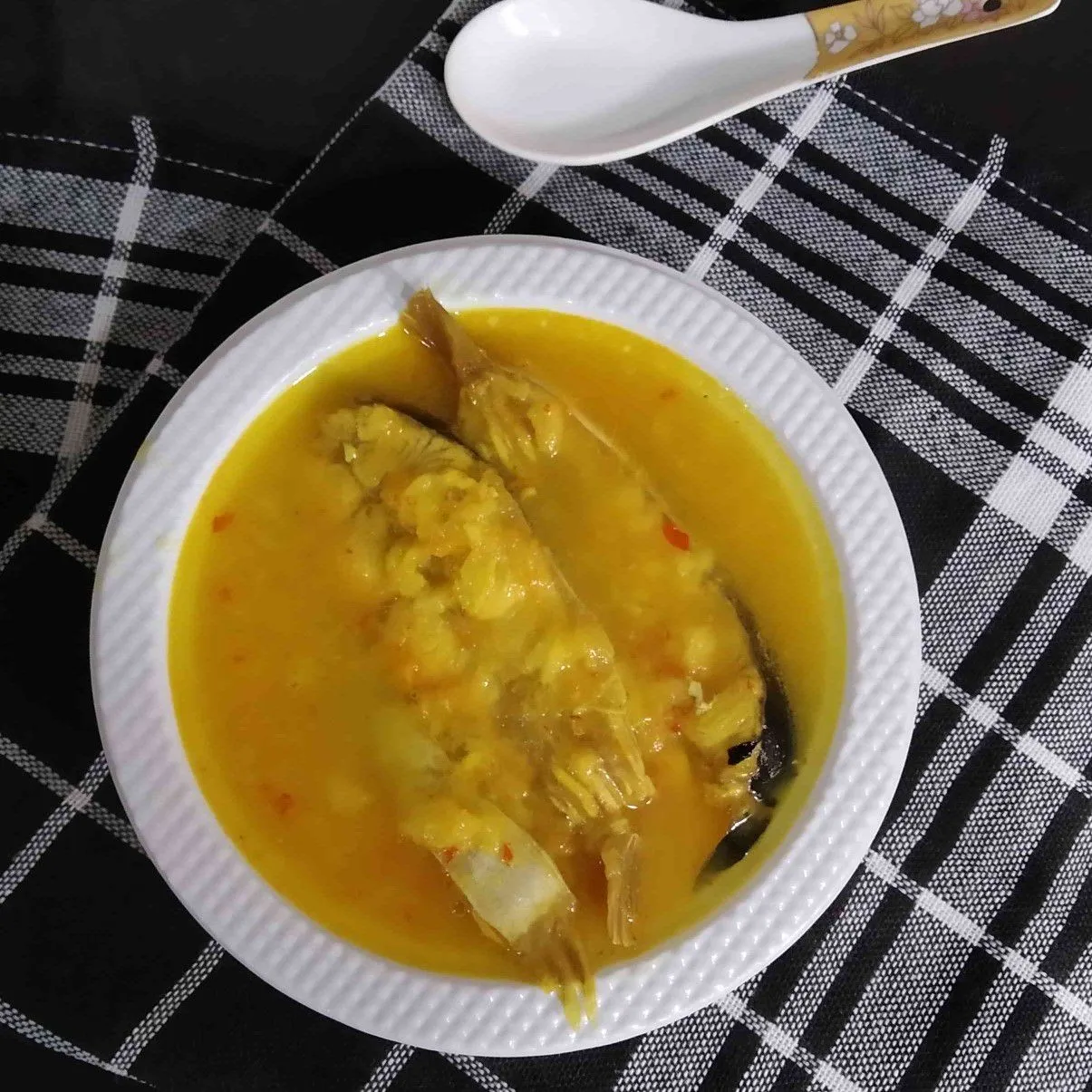
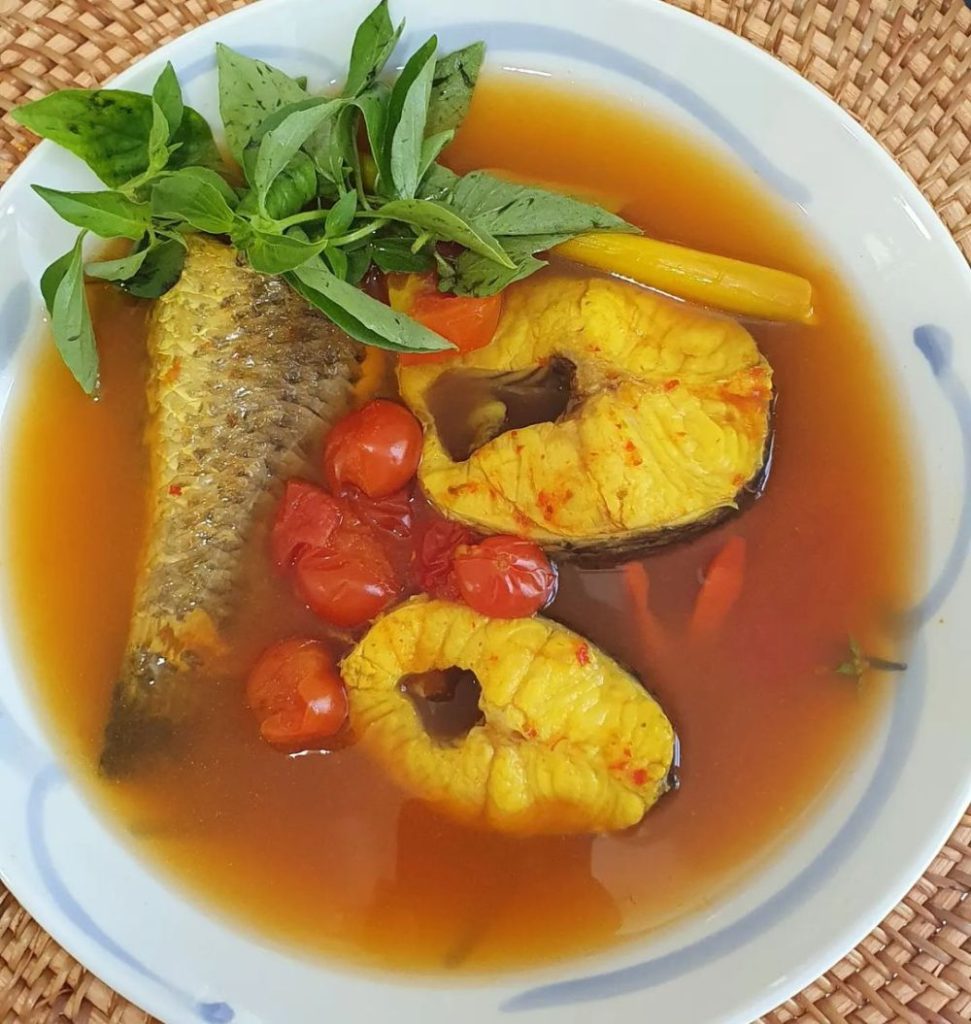

At its core, this dish is a celebration of fermented durian, known as ‘tempoyak’. Tempoyak, with its pungent aroma and unique umami-rich, slightly sour profile, is the soul of the dish. It’s a polarizing ingredient – loved by many for its complex flavor, and perhaps less so by those unaccustomed to its distinctive character. However, for those who embrace it, tempoyak offers a depth of flavor that is unparalleled, transforming ordinary fish into a culinary masterpiece.
The primary protein in this recipe is ‘Ikan Gabus’, commonly known as snakehead fish. Snakehead fish is a freshwater delicacy prized for its firm, flaky white flesh and its ability to absorb flavors beautifully. Its relatively mild taste makes it an ideal canvas for the bold notes of tempoyak and the accompanying spices. The fish is often prepared in a way that highlights its natural sweetness while allowing it to meld seamlessly with the other components of the dish.
The term ‘Pucung’ in this context often refers to a specific preparation method or a type of spice blend, sometimes incorporating ingredients like candlenuts and galangal to create a rich, savory base. It adds another layer of complexity, providing a subtle nuttiness and aromatic depth that complements the fish and tempoyak.
Finally, ‘Pindang’ signifies a cooking style that typically involves simmering ingredients in a flavorful broth, often infused with a variety of spices. This method ensures that the fish is cooked gently, retaining its moisture and tenderness, while allowing the spices and tempoyak to permeate every flake.
Together, ‘Tempoyak Ikan Gabus Pucung Pindang’ creates a symphony of flavors: the sharp tang of fermented durian, the delicate sweetness of the snakehead fish, the aromatic warmth of the ‘pucung’ spices, and the comforting embrace of the ‘pindang’ cooking method. It’s a dish that is both comforting and exciting, familiar yet exotic.
Understanding the ingredients is crucial for achieving the authentic taste. High-quality tempoyak is paramount. Ideally, it should be homemade or sourced from a reputable vendor, ensuring it has undergone proper fermentation without any artificial additives. The fermentation process typically involves ripe durian flesh mixed with salt and left to ferment for several days to a week, developing its characteristic tang and aroma.
The snakehead fish should be fresh, with firm flesh and a clean smell. It’s often cut into steaks or larger pieces to prevent it from breaking apart during the simmering process. Some recipes may call for marinating the fish briefly to enhance its flavor and texture before cooking.
The spice paste, or ‘bumbu’, is the heart of many Indonesian dishes, and this one is no exception. Common ingredients include shallots, garlic, chilies (for heat), turmeric (for color and earthy notes), ginger, galangal (for a peppery, citrusy aroma), and candlenuts (kemiri) for thickening and richness. These are typically ground into a fine paste, either using a mortar and pestle for a more rustic texture or a blender for a smoother consistency.
Beyond the core spices, other aromatics often feature prominently. Lemongrass, bruised and tied into knots, infuses a subtle citrusy fragrance. Kaffir lime leaves add a distinct tropical perfume, while bay leaves contribute a mild, herbaceous note. These elements are crucial for building the complex flavor profile.
The cooking process itself is relatively straightforward but requires attention to detail. The spice paste is usually sautéed in oil until fragrant and slightly darkened, a process known as ‘menumis’. This step is vital for unlocking the full potential of the spices and removing any raw taste.
Once the spice paste is fragrant, the tempoyak is added and sautéed briefly. This allows the tempoyak to meld with the spices and mellow slightly. It’s important not to overcook the tempoyak at this stage, as its delicate flavor can be lost.
The snakehead fish is then introduced into the pan, gently coated with the spice and tempoyak mixture. The goal is to sear the fish slightly, giving it a bit of color and preventing it from becoming mushy during the subsequent simmering.
Water or sometimes coconut milk is added to create the ‘pindang’ broth. Coconut milk will lend a richer, creamier texture and a more decadent flavor, while water will result in a lighter, more broth-like consistency. The choice often depends on regional variations and personal preference.
The dish is then brought to a gentle simmer. This slow cooking process is key to tenderizing the fish and allowing the flavors to meld and deepen. The lid is usually placed on the pot, allowing the steam to circulate and cook the fish evenly.
Seasoning is a critical step. Salt is essential, but the amount will depend on the saltiness of the tempoyak. A touch of sugar, often palm sugar (gula merah), can be added to balance the sourness of the tempoyak and the spiciness of the chilies, creating a well-rounded flavor profile.
The cooking time will vary depending on the size of the fish pieces and the desired consistency of the broth. The fish should be cooked through but still moist and tender. The broth should have thickened slightly and be rich with the flavors of the spices and tempoyak.
Serving ‘Tempoyak Ikan Gabus Pucung Pindang’ is typically done hot, accompanied by steamed white rice. The rice acts as a perfect neutral base to soak up the flavorful broth and complement the intense flavors of the dish. A sprinkle of fresh herbs, like cilantro or spring onions, can add a touch of freshness and visual appeal.
This dish is deeply rooted in the cultural heritage of Indonesia, particularly in Sumatra and Kalimantan. The use of tempoyak is a testament to the resourcefulness of communities, utilizing local produce and traditional preservation methods. It reflects a time when food preservation was essential for survival, and fermentation played a key role.
The preparation and consumption of tempoyak dishes are often associated with communal gatherings and family meals. Sharing a plate of ‘Tempoyak Ikan Gabus Pucung Pindang’ is a way to connect with tradition and savor the authentic tastes of Indonesian home cooking. It’s a dish that evokes nostalgia and a sense of belonging for many.
Variations of this recipe abound. Some may add other types of fish, such as catfish or mackerel, depending on availability. Certain regions might incorporate different vegetables, like long beans or eggplant, into the simmering broth. The spice blend can also be adjusted to cater to different heat preferences.
For those new to tempoyak, it’s advisable to start with a smaller amount or to seek out commercially prepared tempoyak that might be milder in flavor. The unique aroma and taste can be an acquired preference, but once embraced, it opens up a world of exciting Indonesian flavors.
The health benefits of fermented foods like tempoyak are also worth noting. Fermentation can enhance the digestibility of foods and introduce beneficial probiotics, contributing to gut health. While the dish is rich in flavor, it also offers potential nutritional advantages.
Recreating ‘Tempoyak Ikan Gabus Pucung Pindang’ at home can be a rewarding experience. It allows for a deeper appreciation of the ingredients, the cooking techniques, and the cultural significance behind the dish. It’s an opportunity to bring a taste of authentic Indonesia into your own kitchen.
When sourcing ingredients, consider visiting Asian markets or specialty stores. Fresh snakehead fish might require a dedicated fishmonger. For tempoyak, look for brands that emphasize natural fermentation or, if you’re adventurous, consider making your own.
The aroma that fills your kitchen as this dish simmers is truly intoxicating. The blend of pungent durian, aromatic spices, and savory fish creates a scent that is uniquely Indonesian and deeply inviting. It’s a sensory experience that heightens the anticipation of the meal.
Beyond the traditional preparation, some modern interpretations might include a touch of tamarind for extra tang, or a dash of fish sauce for added umami, though purists would argue for sticking to the classic components.
The texture of the finished dish is a delightful contrast. The tender, flaky fish, the slightly softened pieces of tempoyak, and the rich, savory broth all come together in a harmonious blend. Each spoonful offers a complex interplay of sensations.
Pairing this dish with a side of ‘sambal terasi’ (shrimp paste chili sauce) can elevate the experience further, adding an extra kick of spice and umami. However, the dish is often flavorful enough to stand on its own.
In conclusion, ‘Resep Seafood Tempoyak Ikan Gabus Pucung Pindang’ is a culinary gem that offers a profound glimpse into Indonesian gastronomic traditions. It’s a dish that challenges the palate, delights the senses, and connects us to a rich cultural heritage. Embark on this flavorful adventure and discover the magic of fermented durian and tender snakehead fish.
Mastering this recipe is a journey, not just a destination. Each attempt allows for refinement, for understanding the subtle nuances of balancing the strong flavors. It’s a dish that rewards patience and a willingness to explore the depths of Indonesian cuisine.