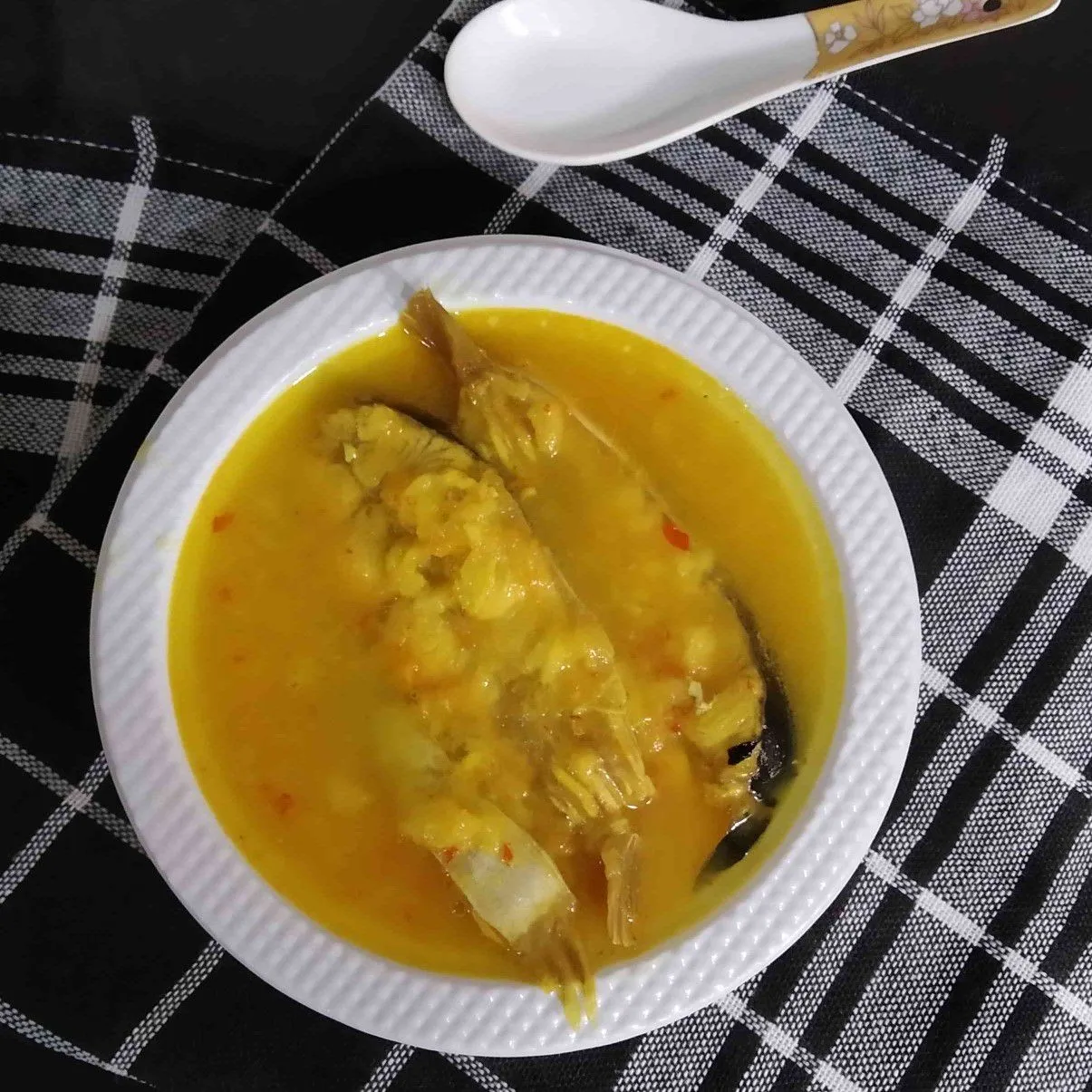
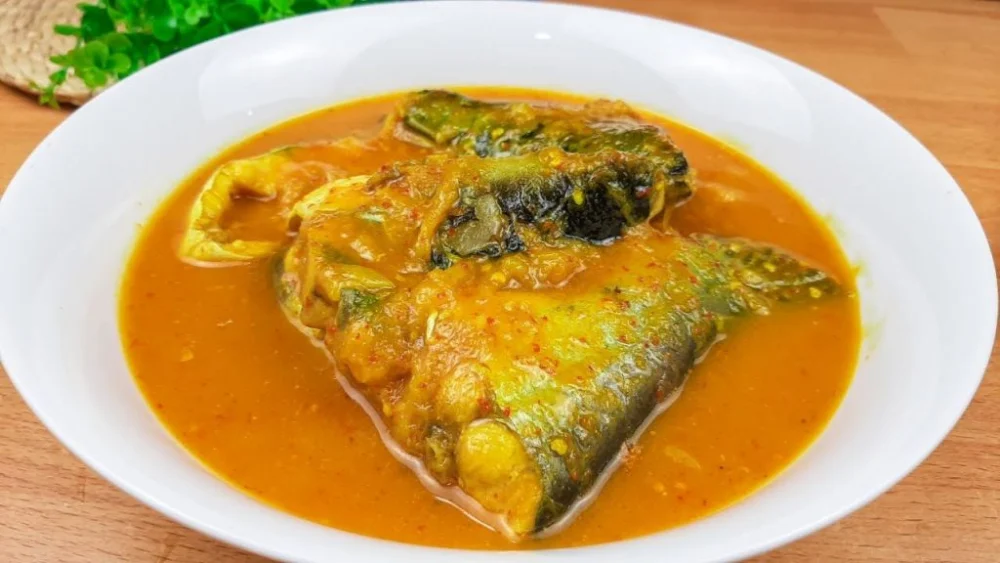

The foundation of this dish lies in its three core components, each bringing a distinct character. Firstly, tempoyak, made from fermented durian, offers a complex flavor profile that is simultaneously sweet, sour, and umami-rich, with a characteristic pungent aroma that is an acquired taste for some but cherished by many. Secondly, ikan sepat, or snakehead fish, is known for its firm, white flesh and ability to absorb flavors beautifully, making it an excellent choice for robustly seasoned dishes. Finally, the pindang style of cooking, often associated with a sour and savory broth, typically involves tamarind as a souring agent, balanced with a medley of aromatic spices.
Understanding the quality of your ingredients is paramount. For tempoyak, ensure it’s properly fermented. Over-fermented tempoyak can become excessively sour and unpleasant, while under-fermented tempoyak might lack the depth of flavor. The ideal tempoyak should have a pleasant tanginess and a rich, complex aroma without being overwhelmingly ammoniated. Look for tempoyak that has been prepared with minimal additives, relying on the natural fermentation process.
When selecting ikan sepat, opt for fresh specimens. The fish should have clear eyes, bright red gills, and firm flesh that springs back when pressed. Snakehead fish can sometimes have a slightly muddy taste if not handled properly, so cleaning them thoroughly, including removing the bloodline, is crucial. Some recipes prefer specific sizes of ikan sepat, but generally, medium-sized fish are ideal for this dish, providing a good balance of flesh and bone.
The spice paste, or bumbu, is the aromatic soul of the dish. It typically includes shallots, garlic, chilies (both fresh and dried, depending on desired heat), turmeric, and sometimes ginger and galangal. The proportions of these spices can be adjusted to personal preference, but a well-balanced bumbu is essential for complementing the strong flavors of the tempoyak and fish.
Grinding the spice paste traditionally involves a mortar and pestle (ulekan), which breaks down the ingredients to release their essential oils and create a finer texture. Alternatively, a food processor or blender can be used, though some argue that the texture achieved with a mortar and pestle is superior for this type of dish, allowing for a more rustic and authentic result.
The cooking process for Seafood Tempoyak Ikan Sepat Pindang typically begins with sautéing the ground spice paste until fragrant. This step is crucial for mellowing the raw spices and developing their full flavor potential. The aroma that fills the kitchen at this stage is truly inviting, a prelude to the complex taste that awaits.
Once the spice paste is fragrant, water and tamarind paste are added to create the pindang broth. The tamarind provides the characteristic sourness that cuts through the richness of the durian and fish. The amount of tamarind can be adjusted to achieve the desired level of tanginess. It’s important to strain the tamarind pulp to remove seeds and fibrous material before adding it to the pot.
Next, the ikan sepat is added to the simmering broth. The fish is allowed to cook gently until it’s flaky and tender. Overcooking should be avoided, as it can lead to dry, tough fish. The goal is to have moist, succulent pieces of fish that readily absorb the flavorful broth.
The star ingredient, tempoyak, is then introduced. It’s usually added towards the end of the cooking process to preserve its unique flavor and aroma. Stirring the tempoyak into the broth allows it to meld with the other ingredients, creating a harmonious blend of sweet, sour, pungent, and savory notes. The consistency of the broth can be adjusted with more water if it becomes too thick.
Seasoning is a critical stage. While tempoyak itself is flavorful, the dish often requires additional salt and sometimes a touch of sugar to balance the sourness and pungency. Taste and adjust as you go. Some cooks also add a pinch of MSG for an extra umami boost, though this is optional.
A common variation involves adding other seafood elements. Prawns (shrimp) and squid are popular additions, as they cook quickly and add another layer of texture and flavor to the dish. When adding prawns, it’s best to do so towards the very end of cooking, as they can become rubbery if overcooked. Similarly, squid should be added just long enough to cook through.
Some regional variations might include different types of fish. While ikan sepat is traditional, other firm-fleshed fish like ikan baung (bagrid catfish) or even mackerel can be used, though they will impart a slightly different flavor profile. The key is to choose fish that can stand up to the robust flavors of the tempoyak and spices.
Herbs and aromatics play a role in enhancing the overall complexity. Lemongrass, kaffir lime leaves, and daun kesum (Vietnamese mint) are sometimes added to the broth, infusing it with fresh, citrusy, or herbaceous notes that complement the fermented durian.
The consistency of the final dish can vary. Some prefer a thinner, soupier broth, while others enjoy a thicker, more stew-like consistency. This can be controlled by the amount of water added during the cooking process and by the amount of spice paste used. A thicker consistency often means a more intense flavor.
Serving Tempoyak Ikan Sepat Pindang is traditionally done hot, accompanied by steamed white rice. The rice acts as a perfect neutral canvas, allowing the complex flavors of the dish to shine. A side of fresh vegetables, such as cucumber slices or long beans, can provide a refreshing contrast.
Garnishes are simple but effective. Fresh chilies, sliced shallots, or a sprinkle of fresh herbs can add visual appeal and an extra burst of flavor and texture. Some might also add a drizzle of chili oil for an extra kick.
The aroma of this dish is distinctive and unforgettable. The pungent notes of durian are balanced by the savory spices and the sour tang of tamarind, creating a symphony of scents that can be polarizing but is deeply comforting to those who love it.
For those new to tempoyak, it’s advisable to start with a smaller amount and gradually increase it in subsequent preparations. The initial pungency can be intense, but it mellows significantly when cooked and combined with other ingredients.
The culinary significance of Tempoyak Ikan Sepat Pindang lies in its ability to transform humble ingredients into a dish of extraordinary depth. It reflects a culture that values resourcefulness and has mastered the art of fermentation and spice blending.
Storage of leftover tempoyak is important. Properly stored fermented durian can last for a considerable time in the refrigerator, allowing you to make this dish whenever the craving strikes. However, it’s best to use fresh tempoyak for the most vibrant flavor.
When preparing the fish, some cooks prefer to lightly fry or grill the ikan sepat before adding it to the broth. This can add a different texture and prevent the fish from breaking apart too easily during cooking, though it’s not a traditional step in all pindang preparations.
The choice of chilies significantly impacts the heat level. For a milder dish, use fewer chilies or opt for varieties with lower heat. For a spicier experience, incorporate bird’s eye chilies (cabe rawit) or increase the quantity of dried chilies.
The souring agent is also adaptable. While tamarind is most common, some recipes might use calamansi lime juice or even sour fruits like unripe mangoes for a different kind of tartness.
The textural contrast is also key. The soft, flaky fish, the rich broth, and the accompanying rice create a satisfying mouthfeel. Adding crispy fried shallots as a garnish can enhance this textural dimension.
Tempoyak Ikan Sepat Pindang is more than just a recipe; it’s a cultural experience. It’s a dish that is often shared during family gatherings and celebrations, fostering a sense of community and tradition.
For those who find the aroma of durian challenging, consider that the cooking process transforms its character. The fermentation mellows the raw pungency, and when combined with the other aromatic spices, it creates a unique and addictive flavor profile.
In summary, creating an authentic Seafood Tempoyak Ikan Sepat Pindang involves careful selection of ingredients, precise spice blending, and a thoughtful cooking process. It’s a dish that rewards patience and experimentation, offering a truly memorable culinary adventure.
Experimentation is encouraged. Once you’ve mastered the basic recipe, feel free to tweak the spice ratios, add different vegetables, or try other types of seafood. The beauty of this dish lies in its adaptability.
Ultimately, the journey of making and enjoying Tempoyak Ikan Sepat Pindang is about embracing bold flavors and celebrating the rich culinary heritage it represents. It’s a dish that tells a story with every bite.