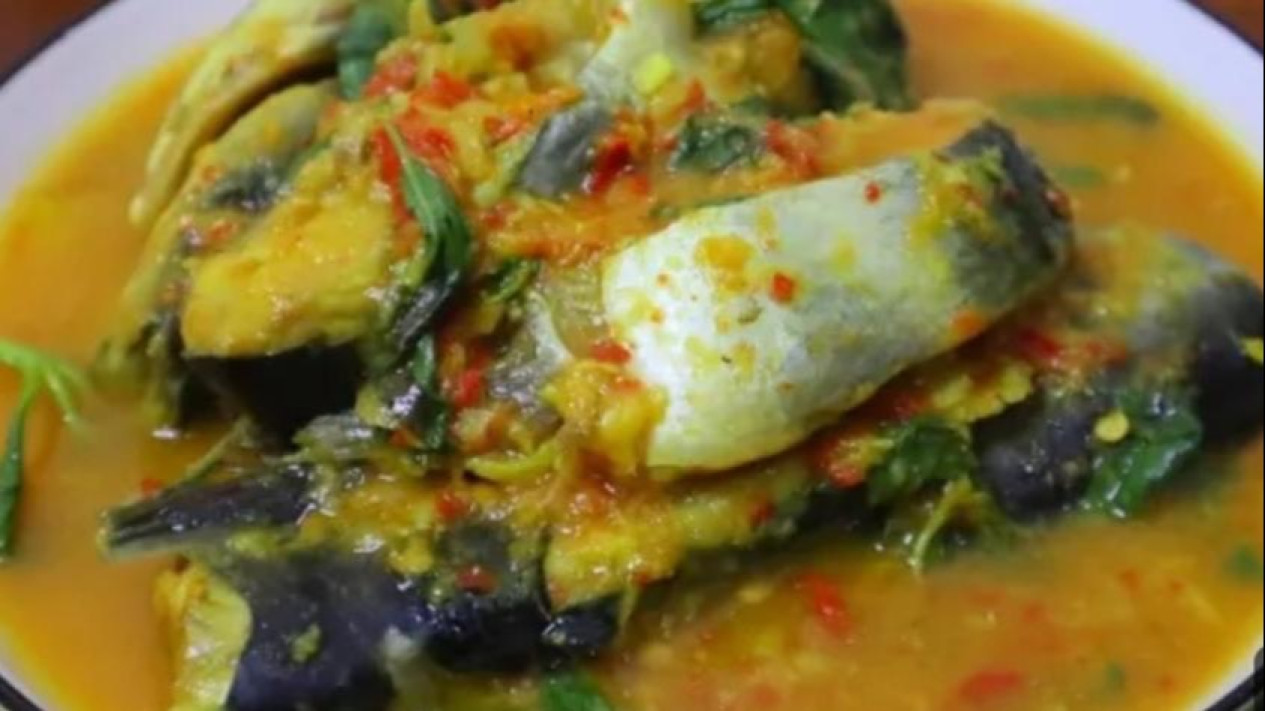

At its core, the success of this dish hinges on two crucial elements: the quality of the tempoyak and the preparation of the ikan pari pindang. Tempoyak, made from fermented durian, is a staple condiment in Southeast Asian cuisine. Its fermentation process imbues it with a distinctive sour and pungent flavor profile that is essential to the authentic taste of this dish. Sourcing good quality, well-fermented tempoyak is the first step towards culinary mastery.
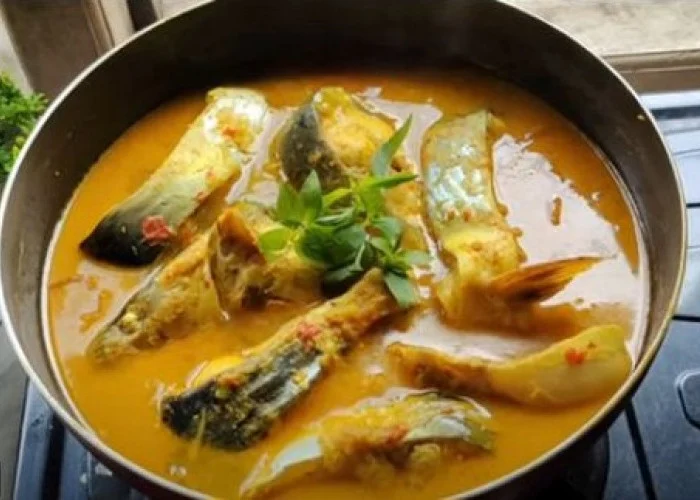
The stingray (ikan pari) used in this recipe is prized for its tender, slightly chewy texture and its ability to absorb flavors beautifully. When prepared as ‘pindang,’ it means the fish is cooked in a flavorful broth, often with a base of turmeric, chili, and other spices. This cooking method ensures the fish remains moist and succulent, ready to meld with the complex flavors of the tempoyak.
Let’s delve into the ingredients needed to bring this exquisite dish to life. For the base, you’ll need fresh stingray, typically cut into manageable pieces. The quantity will depend on how many servings you intend to prepare, but a good starting point is about 500 grams of fish.
The star condiment, tempoyak, is essential. You’ll need about 2-3 tablespoons of ripe, well-fermented tempoyak. If your tempoyak is too watery, you might want to drain some of the liquid. If it’s too firm, a little water can be added to loosen it.
For the spice paste (bumbu halus), which forms the aromatic foundation of the dish, gather the following: fresh red chilies (adjust to your spice preference), bird’s eye chilies for extra heat, shallots, garlic, and a knob of fresh turmeric for its vibrant color and earthy notes. Ginger and candlenuts (kemiri) are also commonly included to add richness and body to the paste.
Beyond the spice paste, several other aromatics and seasonings are crucial. Lemongrass, bruised to release its fragrant oils, adds a citrusy, refreshing note. Galangal, another member of the ginger family, contributes a distinct peppery and slightly floral aroma. Kaffir lime leaves, torn or bruised, provide a bright, zesty fragrance that cuts through the richness of the dish.
To balance the flavors, you’ll need tamarind paste (asam jawa) for a pleasant sourness, palm sugar (gula melaka) or regular sugar to temper the heat and sourness, and salt to enhance all the other flavors. Some recipes also call for a splash of fish sauce or shrimp paste (terasi/belacan) for an added layer of umami, though this is optional and depends on personal preference and the saltiness of the tempoyak.
The cooking process begins with preparing the spice paste. All the ingredients for the bumbu halus – chilies, shallots, garlic, turmeric, ginger, and candlenuts – should be finely ground or blended into a smooth paste. Traditionally, this is done using a mortar and pestle, which yields a more rustic texture, but a food processor or blender works just as well.
Once the spice paste is ready, heat some cooking oil in a pot or wok over medium heat. Add the ground spice paste and sauté until fragrant and the oil begins to separate from the paste. This step is crucial for developing the deep flavors and cooking out the raw taste of the spices.
Next, add the bruised lemongrass, galangal, and torn kaffir lime leaves to the pot. Continue to stir-fry for another minute or two until their aromas are fully released. This aromatic base is what gives the dish its signature complexity.
Now, it’s time to introduce the tempoyak. Add the fermented durian paste to the pot and stir it into the spice mixture. Cook for a few minutes, allowing the tempoyak to meld with the spices. You’ll notice the pungent aroma start to mellow and transform into a richer, more savory scent.
Pour in enough water or fish stock to create the desired broth consistency. Bring the mixture to a gentle simmer. The amount of liquid will determine how soupy or thick your pindang is, so adjust accordingly.
Once the broth is simmering, add the stingray pieces. Ensure the fish is submerged in the liquid. Allow the fish to cook gently in the simmering broth. Avoid overcrowding the pot, as this can lower the temperature and prevent even cooking.
As the fish cooks, add the tamarind paste for sourness, palm sugar for sweetness, and salt to taste. Stir gently to combine. Taste the broth and adjust the seasonings as needed. This is where you fine-tune the balance of sour, sweet, salty, and spicy.
Continue to simmer the dish until the stingray is fully cooked through and tender. This usually takes about 10-15 minutes, depending on the thickness of the fish pieces. Be careful not to overcook the fish, as it can become tough.
Some variations of Seafood Tempoyak Ikan Pari Pindang include additional ingredients for texture and flavor. For instance, some cooks add sliced tomatoes towards the end of the cooking process for a burst of freshness and acidity. Others might include okra or long beans for added vegetables and crunch.
Another popular addition is a sprinkle of fresh chilies or sliced bird’s eye chilies just before serving, especially if you desire an extra kick of heat. Fresh herbs like cilantro or spring onions can also be used as a garnish to add a pop of color and freshness.
Serving Seafood Tempoyak Ikan Pari Pindang is best done hot. It is traditionally accompanied by steamed white rice, which serves as a perfect canvas to soak up the flavorful and aromatic broth. The plain rice helps to balance the intense flavors of the dish.
A simple side dish of fresh cucumber slices or a light salad can provide a refreshing contrast to the richness of the pindang. This helps to cleanse the palate between bites and adds a textural element.
For those who enjoy a spicier experience, a side of sambal belacan or other chili condiments can be offered, though the dish itself usually has a good level of heat from the spices.
When selecting stingray, look for fresh, firm flesh. The fish should have a mild, oceanic smell, not an overpowering fishy odor. If buying pre-cut pieces, ensure they are properly chilled and have a slightly translucent appearance.
The quality of the tempoyak is paramount. Good tempoyak should have a strong durian aroma but a balanced sourness. If you are making your own tempoyak, ensure the durian is ripe and fermented for at least 3-5 days, or longer, depending on your preference for sourness.
Storage of leftover tempoyak is important. It should be kept in an airtight container in the refrigerator to maintain its freshness and prevent excessive fermentation. Properly stored tempoyak can last for several weeks.
For the ikan pari pindang component, consider using fish stock instead of water for a deeper, more savory broth. This can elevate the overall flavor profile of the dish.
Don’t be afraid to experiment with the spice levels. If you prefer a milder dish, reduce the number of fresh chilies and bird’s eye chilies. Conversely, if you love heat, add more or even a dried chili for a smoky undertone.
The candlenuts in the spice paste contribute to a creamy texture. If candlenuts are unavailable, you can substitute them with macadamia nuts or even a small piece of soaked bread, though the flavor might be slightly altered.
When sautéing the spice paste, ensure you cook it thoroughly. Undercooked spices can leave a raw, bitter taste that can detract from the dish. Patience during this step is key to unlocking the full flavor potential.
The fermentation process of tempoyak is a fascinating aspect of its culinary use. It breaks down proteins and carbohydrates, creating complex flavor compounds that are unique to this ingredient. The longer it ferments, the more pronounced its sourness and pungency become.
Seafood Tempoyak Ikan Pari Pindang is more than just a meal; it’s an experience. It’s a testament to the ingenuity of traditional cooking, where humble ingredients are transformed into something extraordinary. The interplay of fermented fruit, savory fish, and a symphony of spices creates a dish that is both comforting and exciting.
Mastering this dish requires practice and an understanding of the ingredients’ nuances. Each component plays a vital role, from the foundational spice paste to the subtle sweetness of the palm sugar and the sharp tang of the tamarind. The result is a harmonious blend of flavors that is truly unforgettable.
We encourage you to try this recipe and discover the unique pleasures of Seafood Tempoyak Ikan Pari Pindang. It’s a culinary journey that celebrates the vibrant tastes and aromas of Southeast Asian cuisine, offering a delightful adventure for your palate.
This dish is a fantastic representation of how fermentation can be used to create complex and delicious flavors in savory cooking. It challenges conventional notions of flavor pairings and rewards the adventurous cook with a deeply satisfying meal.
Whether you are a seasoned cook or a novice in the kitchen, this guide aims to provide you with the knowledge and confidence to create an authentic and delicious Seafood Tempoyak Ikan Pari Pindang. Enjoy the process and savor the results!