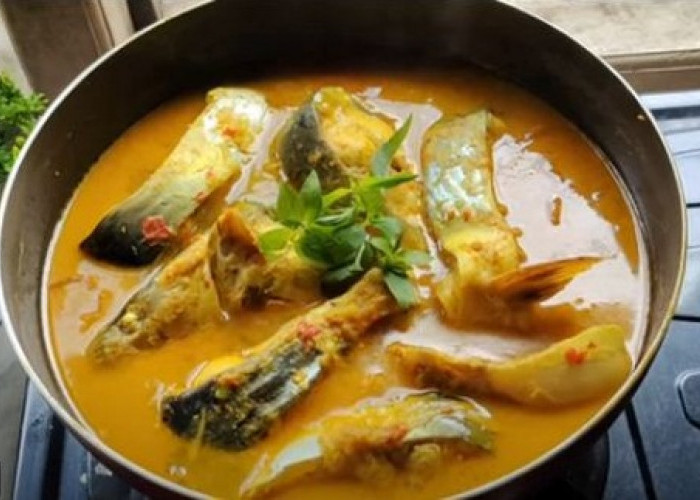
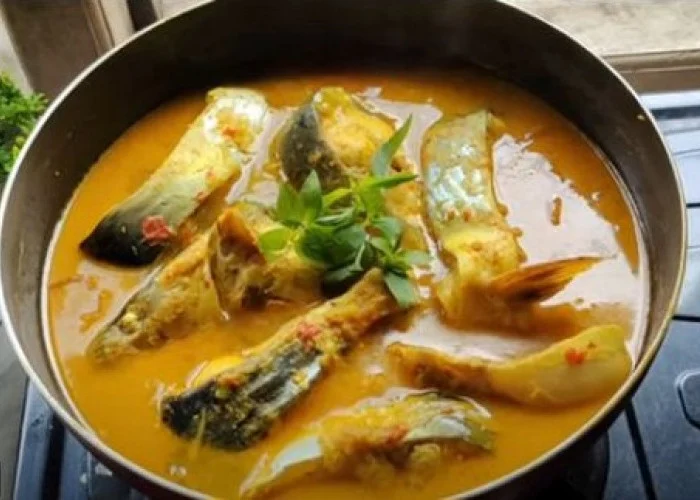

At its heart, Seafood Tempoyak Ikan Layang Pindang is a celebration of local ingredients and time-honored cooking methods. The star ingredients are ikan layang (mackerel scad), a small, oily fish that readily absorbs flavors, and tempoyak, the fermented durian paste. The ‘pindang’ element typically refers to a method of cooking in a flavorful broth, often incorporating chilies, spices, and souring agents.
Understanding the key components is crucial for success. Ikan layang, with its firm flesh and rich, slightly metallic taste, is ideal for this dish. Its oiliness helps to carry the complex flavors of the sauce. If ikan layang is unavailable, other small, oily fish like sardines or even larger mackerel varieties can be substituted, though the authentic character might shift slightly.
Tempoyak is arguably the most defining ingredient. Made from ripe durian that has been fermented for several days, it possesses a potent aroma that can be off-putting to the uninitiated. However, for those who appreciate its unique profile, it offers an unparalleled depth of flavor. The fermentation process breaks down the durian’s sugars, creating a tangy, slightly sour, and intensely savory paste. The quality of the tempoyak is paramount; a well-fermented, good-quality paste will enhance the dish, while a poorly made one can overpower it.
The ‘pindang’ style of cooking involves simmering ingredients in a liquid base until they are tender and the flavors have melded. This often involves a fragrant spice paste (bumbu) that forms the soul of the sauce. For Seafood Tempoyak Ikan Layang Pindang, this paste typically includes a combination of fresh chilies, shallots, garlic, turmeric, and sometimes galangal and ginger. The exact proportions can vary significantly by region and family tradition.
Let’s begin with the preparation of the spice paste. You will need fresh red chilies (adjust the quantity based on your spice preference), a few bird’s eye chilies for extra heat, shallots, and garlic cloves. Peel and roughly chop these ingredients. For a smoother paste, a food processor or blender is recommended. If you prefer a more rustic texture, a mortar and pestle works wonderfully.
Beyond the aromatics, turmeric is essential for both color and its earthy flavor. Fresh turmeric root is preferred for its vibrant hue and potent taste, but ground turmeric can be used as a substitute. A small piece of galangal (lengkuas) and ginger can add further layers of aromatic complexity. These should also be peeled and chopped or grated.
Once the spice paste is ready, it’s time to sauté it. Heat a generous amount of cooking oil in a pot or wok over medium heat. Add the spice paste and stir-fry until it becomes fragrant and the oil starts to separate from the paste. This process, known as ‘pecah minyak’ (breaking the oil), is crucial for developing the deep flavors and removing any raw taste from the spices.
Now, introduce the tempoyak to the sautéed spice paste. Stir well and cook for a few minutes, allowing the tempoyak to heat through and meld with the spices. Be mindful of the aroma at this stage; it will intensify. The goal is to cook the tempoyak slightly, softening its texture and integrating its unique flavor into the base.
The next step is to add the liquid. Water is commonly used, but some recipes might incorporate a bit of tamarind paste (asam jawa) for a subtle sour note, which complements the richness of the tempoyak and the fish. If using tamarind, dissolve a small ball of paste in warm water and strain out the seeds and pulp before adding it to the pot.
Bring the mixture to a simmer. Seasoning is key at this stage. Salt and a touch of sugar are typically added to balance the flavors. The tempoyak itself is salty, so taste before adding too much salt. Sugar helps to round out the pungency of the durian and the heat of the chilies.
Now, it’s time to add the star protein: the ikan layang. Clean the fish thoroughly, removing the gills and innards. You can leave them whole or cut them into sections, depending on their size and your preference. Gently place the fish into the simmering sauce, ensuring they are submerged.
Cover the pot and let the fish cook gently in the sauce. The cooking time will depend on the size of the fish, but generally, it takes about 10-15 minutes for small fish like ikan layang to become fully cooked and tender. Avoid overcooking, as this can make the fish dry and break apart too easily.
As the fish cooks, the flavors will infuse into its flesh, and the sauce will thicken slightly. The oil from the fish will also render into the sauce, adding another layer of richness. The aroma filling your kitchen at this point should be intoxicating – a complex blend of spices, chilies, and the unmistakable scent of durian.
Some variations of this dish include the addition of other seafood. Prawns, squid, or even mussels can be added towards the end of the cooking process, as they require less cooking time than fish. If incorporating other seafood, add them in the last 5 minutes of cooking to prevent them from becoming rubbery.
Another common addition is leafy vegetables. Kangkung (water spinach) or pucuk manis (sweet leaf) are often used. These are added in the final minutes of cooking, just long enough to wilt and become tender. They add a fresh, green element that contrasts beautifully with the rich sauce.
Once the fish is cooked and the sauce has reached your desired consistency, the dish is ready to be served. The sauce should be rich, slightly thick, and packed with flavor. The fish should be tender and flaky, having absorbed the complex taste of the tempoyak and spices.
Serving Seafood Tempoyak Ikan Layang Pindang is typically done hot, accompanied by steamed white rice. The fluffy rice is the perfect vehicle to soak up the delicious, flavorful sauce. A sprinkle of fresh cilantro or a few sliced red chilies as a garnish can add a final touch of freshness and visual appeal.
For those new to tempoyak, it’s worth noting that the fermentation process can vary, leading to different levels of pungency and acidity. If you are using a particularly strong or sour tempoyak, you might need to adjust the other seasonings accordingly. Some cooks might add a bit more sugar or even a touch of coconut milk to mellow the flavor.
The beauty of this dish lies in its adaptability. While ikan layang is traditional, feel free to experiment with other types of firm-fleshed fish. The spice paste can also be customized. If you prefer a milder dish, reduce the number of chilies. If you enjoy more aromatic complexity, add a bit more galangal or lemongrass.
Storage of leftover Seafood Tempoyak Ikan Layang Pindang is generally straightforward. Like most cooked seafood dishes, it’s best consumed fresh. However, if you have leftovers, allow them to cool completely before refrigerating. It can be stored in an airtight container for 1-2 days. Reheat gently on the stovetop or in the microwave.
Exploring the nuances of this dish also means understanding the cultural context. Tempoyak is a staple in many Malay and Indonesian households, often made at home and passed down through generations. Its inclusion in a dish like Ikan Layang Pindang speaks to the resourcefulness and culinary ingenuity of the region, transforming a potentially challenging ingredient into a beloved delicacy.
The cooking process itself is a sensory experience. The sizzle of the spices, the pungent aroma of the tempoyak, the gentle bubbling of the sauce – it all contributes to the anticipation of a truly satisfying meal. It’s a dish that engages all the senses, from preparation to consumption.
Consider the texture profile of the final dish. You have the tender, flaky fish, the rich and savory sauce, and the optional slight crunch from wilted vegetables. This interplay of textures, combined with the bold flavors, makes Seafood Tempoyak Ikan Layang Pindang a truly memorable culinary creation.
For those who are adventurous eaters, this dish is an absolute must-try. It represents a gateway into the more complex and nuanced flavors of Southeast Asian cuisine. The initial hesitation towards the tempoyak is often rewarded with a profound appreciation for its unique contribution to the dish.
In essence, Seafood Tempoyak Ikan Layang Pindang is more than just a recipe; it’s an invitation to explore a vibrant culinary heritage. It’s a dish that tells a story of local ingredients, fermentation techniques, and the art of balancing bold flavors.
To achieve the best results, use fresh ingredients whenever possible. The quality of the chilies, shallots, garlic, and especially the tempoyak will significantly impact the final outcome. Don’t be afraid to taste and adjust the seasoning throughout the cooking process. This is where intuition and personal preference play a vital role.
The ‘pindang’ method ensures that the fish is cooked gently, allowing it to remain moist and tender. This slow simmering process is crucial for infusing the fish with the complex flavors of the spice paste and tempoyak, creating a harmonious blend that is both comforting and exciting.
Finally, the experience of sharing this dish with loved ones is part of its charm. It’s a meal that sparks conversation, often leading to discussions about the unique flavor of tempoyak and the memories it evokes. It’s a dish that connects people to their culture and to each other.
Whether you are a seasoned cook or a novice in the kitchen, tackling Seafood Tempoyak Ikan Layang Pindang is a rewarding culinary endeavor. It offers a chance to expand your palate, discover new flavors, and create a dish that is both authentic and deeply satisfying.