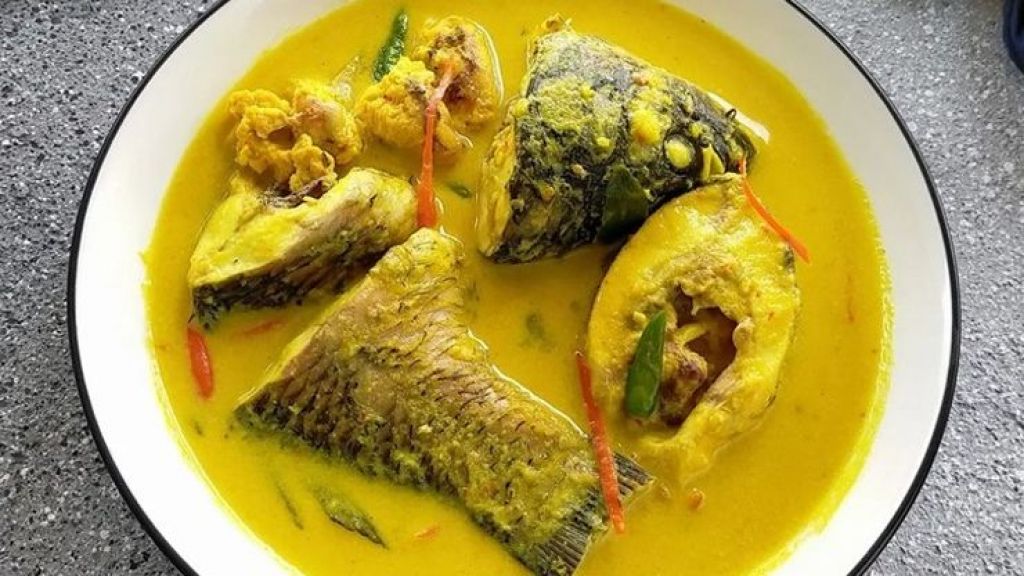
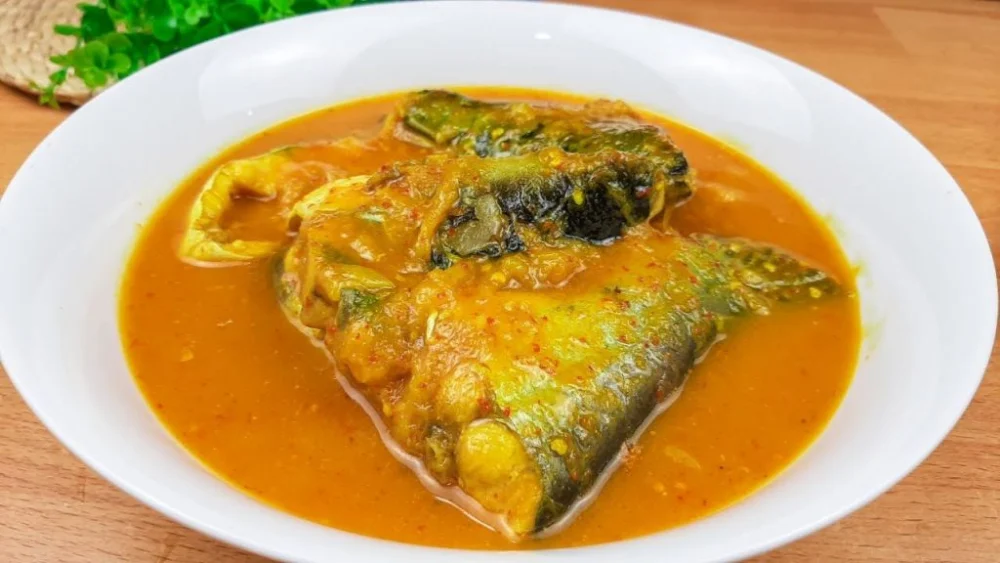

At its core, this dish is a celebration of contrasts: the pungent, almost cheesy aroma of fermented durian (tempoyak) harmonizes with the delicate sweetness of fish, all brought together by the aromatic spices of ‘pindang’ style cooking. ‘Ikan Mujair,’ or tilapia, is a commonly used freshwater fish, prized for its flaky texture and ability to absorb flavors beautifully. While tilapia is traditional, other firm white fish can also be used, adapting the recipe to your available ingredients.
The star ingredient, tempoyak, is made from fermented durian. This process involves fermenting ripe durian fruit for several days or even weeks, resulting in a paste with a distinctive, potent aroma and a sour, slightly sweet taste. The fermentation process transforms the fruit, making it a versatile condiment and cooking ingredient. For those new to tempoyak, its unique flavor profile can be an acquired taste, but it is precisely this characteristic that lends the dish its signature depth.
Selecting the right tempoyak is crucial for a successful dish. Look for tempoyak that has a pleasant, fermented aroma, not one that smells overly ammoniated or spoiled. The texture should be a thick paste. If you are making your own tempoyak, ensure the durian is ripe and the fermentation process is managed carefully to achieve the desired flavor. If purchasing, seek out reputable sources or specialty Asian markets.
Beyond the tempoyak, the ‘pindang’ element refers to a cooking style that typically involves simmering ingredients in a flavorful broth, often infused with a blend of aromatic spices and sometimes tamarind for a touch of sourness. This method allows the flavors to meld together slowly, creating a rich and complex sauce that coats the seafood perfectly.
The spice base, or ‘bumbu,’ for this dish is where much of its magic lies. It typically includes ingredients like shallots, garlic, chilies, turmeric, galangal, and lemongrass. These aromatics are usually ground or pounded into a paste and then sautéed to release their full fragrance and flavor before being combined with the other elements.
Let’s delve into the specific ingredients you’ll need for a delightful Seafood Tempoyak Ikan Mujair Pindang. For the fish, you’ll require about 500 grams of fresh Ikan Mujair (tilapia), cleaned and cut into portions. Alternatively, you can use other firm white fish like snapper, sea bass, or even mackerel.
For the tempoyak component, you will need approximately 2-3 tablespoons of good quality tempoyak. Adjust this amount based on your preference and the potency of your tempoyak. Remember, a little goes a long way, and you can always add more if needed.
The pindang spice paste (bumbu) requires a careful selection of fresh aromatics. You’ll need: 5-6 shallots, 3-4 cloves of garlic, 2-3 fresh red chilies (or more, depending on your spice tolerance), 1 inch of fresh turmeric (or 1 teaspoon of ground turmeric), 1 inch of fresh galangal (lengkuas), and 1 stalk of lemongrass (serai), bruised.
Additional seasonings and liquids are essential for building the sauce. These include: 1 tablespoon of tamarind paste mixed with a little water (for sourness), 1-2 tablespoons of fish sauce (or soy sauce for a different umami profile), 1 teaspoon of sugar (to balance the flavors), salt to taste, and about 300-400 ml of water or coconut milk for the broth. Coconut milk will add a richer, creamier texture.
Preparing the spice paste is a foundational step. Traditionally, these ingredients are pounded using a mortar and pestle until a smooth paste is formed. This method is believed to release more essential oils and create a superior texture compared to blending. If a mortar and pestle is unavailable, a food processor or blender can be used, though you may need to add a little water to help it process.
Once the spice paste is ready, the cooking process begins with sautéing. Heat a generous amount of cooking oil in a wok or a deep pan over medium heat. Add the prepared spice paste and sauté until it becomes fragrant and the oil starts to separate, indicating that the spices have been cooked through. This step is crucial for developing the deep flavors of the dish.
Next, incorporate the tempoyak into the sautéed spice paste. Stir well and cook for another minute or two. This allows the tempoyak to warm through and meld with the spices, softening its pungent aroma and integrating its unique flavor into the base.
Now, it’s time to add the liquid. Pour in the tamarind water and the fish sauce (or soy sauce). Stir everything together and bring the mixture to a simmer. This is where the ‘pindang’ style truly begins to take shape, creating a flavorful liquid base for the fish.
Introduce the Ikan Mujair portions into the simmering sauce. Gently nestle the fish into the liquid, ensuring each piece is partially submerged. Avoid overcrowding the pan, as this can lower the temperature and prevent even cooking. Cook the fish for about 5-7 minutes on each side, or until it is cooked through and flakes easily.
During the cooking process, periodically spoon the sauce over the fish to ensure it is evenly coated with the aromatic tempoyak and spice mixture. This basting technique enhances the flavor penetration and keeps the fish moist.
Taste the sauce and adjust the seasoning as needed. Add sugar to balance the sourness and saltiness, and more salt if necessary. The goal is a harmonious blend of spicy, sour, salty, and slightly sweet notes, with the unmistakable umami of the tempoyak.
If you are using coconut milk, stir it in during the last few minutes of cooking. Bring the sauce back to a gentle simmer, but avoid boiling vigorously, as this can cause the coconut milk to curdle. Continue to cook until the sauce has thickened slightly and the flavors have melded beautifully.
The dish is typically garnished with fresh ingredients for added aroma and visual appeal. Common garnishes include sliced fresh chilies, a few sprigs of Vietnamese mint (daun kesum), or fresh cilantro. These additions provide a fresh counterpoint to the rich, cooked flavors.
Serving Seafood Tempoyak Ikan Mujair Pindang is an experience in itself. It is best enjoyed hot, straight from the pan. The rich, saucy nature of the dish makes it perfect for pairing with steamed white rice. The rice acts as a perfect canvas, soaking up the flavorful sauce.
The aroma that fills your kitchen as this dish cooks is truly intoxicating. The initial pungency of the tempoyak transforms into a complex, savory scent, interwoven with the bright notes of lemongrass, galangal, and chilies. It’s a testament to the power of fermentation and spice blending.
For those who find the direct flavor of tempoyak too intense, starting with a smaller amount and gradually increasing it in future preparations is advisable. The goal is to appreciate its contribution without letting it overpower the delicate fish.
Variations of this dish exist across different regions. Some may add other seafood like prawns or squid, while others might incorporate vegetables like long beans or eggplant. These adaptations allow for personalization and cater to different tastes and ingredient availability.
The cultural significance of tempoyak dishes cannot be overstated. They are often found at family gatherings, festive occasions, and as staple home-cooked meals, representing a connection to heritage and culinary traditions.
When sourcing your ingredients, prioritize freshness. Fresh fish will yield the best texture and flavor. Similarly, fresh aromatics for the spice paste will provide a more vibrant taste profile.
For the chilies, you can use a combination of fresh red chilies for color and heat, and perhaps a few bird’s eye chilies for an extra kick if you desire more spice. Adjusting the chili quantity is a key aspect of customizing this recipe to your liking.
The galangal adds a unique peppery, citrusy note that distinguishes it from ginger. If galangal is unavailable, a small piece of ginger can be substituted, but it will alter the authentic flavor profile slightly.
Lemongrass, when bruised, releases its fragrant oils, imparting a subtle citrusy aroma and flavor that cuts through the richness of the dish. Ensure you remove the tough outer layers before bruising.
The tamarind paste provides a crucial sour element that balances the richness of the tempoyak and the spices. If tamarind paste is not available, a squeeze of lime or lemon juice can be used, but add it towards the end of cooking to preserve its brightness.
When cooking the fish, be mindful of overcooking. Tilapia cooks relatively quickly. It should be opaque and flake easily when tested with a fork. Overcooked fish will be dry and less enjoyable.
The consistency of the sauce can also be adjusted. If you prefer a thicker sauce, you can simmer it for a longer period, allowing more liquid to evaporate. If it becomes too thick, a little more water or coconut milk can be added.
Presentation matters. Serve the dish in a communal bowl or individual plates, ensuring each portion of fish is generously coated with the flavorful sauce. Garnish just before serving to maintain freshness.
This dish is not just a meal; it’s an experience. It’s about savoring the complex interplay of flavors, appreciating the effort that goes into preparing traditional ingredients, and sharing a taste of Southeast Asian culinary heritage.
Mastering Seafood Tempoyak Ikan Mujair Pindang involves understanding the role of each ingredient and the nuances of the cooking process. With practice, you’ll develop an intuitive sense for balancing the flavors and achieving that perfect, mouthwatering result. Enjoy your culinary adventure!