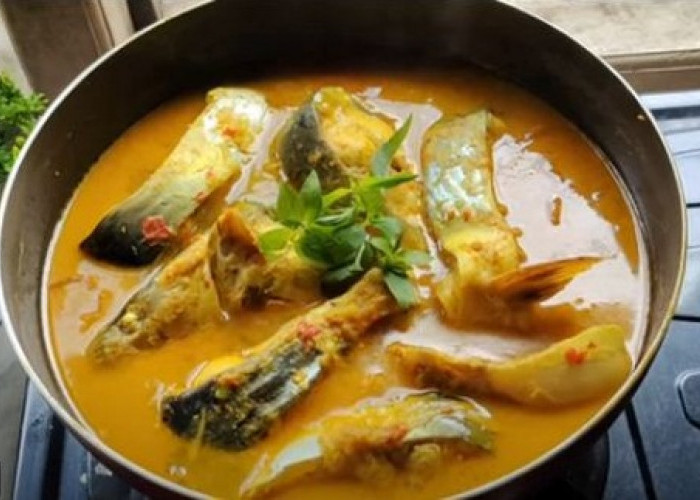
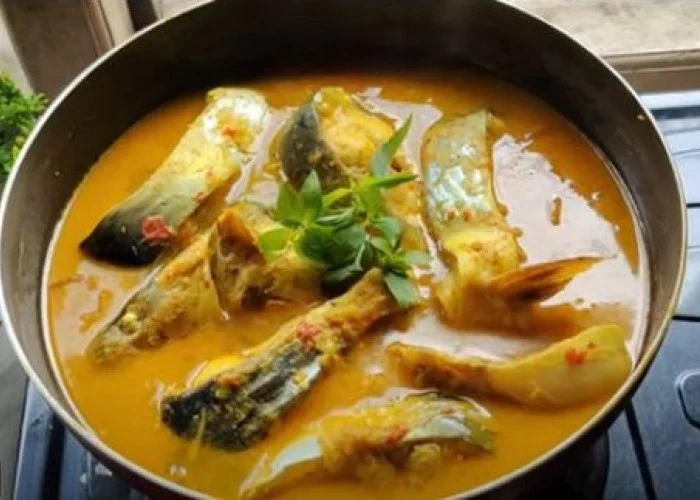

At its core, this dish is a celebration of fermentation and spice. The tempoyak, made from fermented durian, provides a unique umami depth and a slightly sour, pungent kick that is both challenging and incredibly rewarding. It’s not a flavor for the faint of heart, but when balanced correctly, it elevates the entire dish to extraordinary heights.
The star protein, ikan patin (catfish), is chosen for its rich, buttery flesh and its ability to absorb flavors. Its slightly oily nature makes it perfect for simmering in the pindang broth, ensuring it remains moist and succulent throughout the cooking process. The choice of catfish is crucial; a fresh, good-quality fish will make a significant difference to the final taste.
The pindang element refers to a cooking style characterized by a flavorful, often slightly sour and spicy broth. It typically involves a base of aromatic spices, chili, tamarind, and sometimes pineapple for a touch of sweetness and acidity. This broth acts as the perfect medium to infuse the catfish with all the complex flavors of the dish.
Let’s begin with the most distinctive ingredient: tempoyak. Traditionally, tempoyak is made by fermenting ripe durian flesh for several days until it develops a soft, mushy texture and a potent aroma. The fermentation process breaks down the sugars, creating a unique tangy and savory profile. When purchasing tempoyak, look for a well-fermented product with a pleasant, not overpowering, aroma.
If you’re feeling adventurous, you can make your own tempoyak. This involves selecting ripe, good-quality durian, removing the seeds, and packing the flesh into a clean, airtight container. Allow it to ferment at room temperature for 3-7 days, depending on your preference for tanginess. Taste it periodically to monitor the fermentation progress. Be prepared for a strong smell!
When preparing the tempoyak for cooking, it’s often rinsed lightly to remove any excess liquid or impurities, though some prefer to keep all the flavorful brine. It’s then typically mashed or blended into a paste, ready to be incorporated into the broth.
Next, we focus on the ikan patin. Select fresh catfish, preferably whole or in thick steaks. Ensure the fish is cleaned thoroughly, with the gills and intestines removed. Some recipes call for scoring the fish to help it absorb the flavors more effectively.
The pindang broth forms the aromatic backbone of the dish. The foundation usually consists of a spice paste (bumbu halus) that is sautéed until fragrant. Common ingredients in this paste include shallots, garlic, chilies (fresh or dried, depending on desired heat), turmeric, ginger, and galangal. The quality and freshness of these spices are paramount.
Shallots and garlic provide a sweet and pungent base. Chilies bring the heat; adjust the quantity based on your spice tolerance. Turmeric lends a beautiful golden hue and earthy notes, while ginger and galangal add warmth and a distinct citrusy aroma.
Other essential elements for the pindang broth include tamarind paste, which provides a crucial sourness. The acidity cuts through the richness of the fish and tempoyak, creating a balanced flavor profile. The amount of tamarind used will dictate the overall tanginess of the dish.
Some regional variations might include ingredients like pineapple chunks, which add a natural sweetness and a complementary tartness. Lemongrass, kaffir lime leaves, and bay leaves are often added to the broth to impart their fragrant oils and enhance the aromatic complexity.
The cooking process typically begins with sautéing the spice paste until it’s deeply fragrant and the oil separates. This step is crucial for developing the full flavor of the spices. Once the paste is well-cooked, the tempoyak is added and sautéed briefly. This allows the tempoyak to release its aroma and mellow slightly.
Water or stock is then added to create the broth. The tamarind paste, lemongrass, kaffir lime leaves, and other aromatics are introduced at this stage. The broth is brought to a simmer, allowing the flavors to meld together.
The prepared ikan patin is then carefully placed into the simmering broth. It’s important not to overcrowd the pot, as this can lower the cooking temperature and result in uneven cooking. The fish should be gently submerged in the liquid.
The fish is simmered until it’s cooked through and tender. Overcooking should be avoided, as catfish can become mushy if cooked for too long. The goal is to achieve flaky, moist fish that holds its shape.
Seasoning is a critical step. Salt is essential, but often, a touch of sugar is added to balance the sourness from the tamarind and the pungency of the tempoyak. Some cooks also add a dash of fish sauce for an extra layer of umami, though this is not always traditional.
The final consistency of the broth is a matter of preference. Some like it quite soupy, while others prefer it slightly thicker, almost like a curry. If a thicker consistency is desired, the broth can be reduced slightly by simmering uncovered, or a thickening agent might be used, though this is less common in authentic preparations.
Serving Seafood Tempoyak Ikan Patin Pindang is typically done hot, with the fish and broth served together. It is almost always accompanied by steamed white rice, which acts as a perfect neutral canvas to absorb the rich, complex flavors of the dish.
Garnishes can enhance both the visual appeal and the flavor. Fresh herbs like cilantro or spring onions, a sprinkle of fried shallots for crunch, or a few extra slices of fresh chili for those who desire more heat are common additions.
For those new to tempoyak, it’s advisable to start with a smaller amount or to use a pre-made, milder tempoyak. Gradually increasing the amount as you become accustomed to the unique flavor profile is a good strategy.
The key to a successful Seafood Tempoyak Ikan Patin Pindang lies in the balance of its core components: the pungent tang of tempoyak, the savory richness of catfish, and the aromatic complexity of the pindang broth. Each element must be respected and prepared with care.
Exploring variations of this dish can be a culinary adventure. Some recipes might incorporate other types of seafood, such as prawns or squid, to create a mixed seafood tempoyak. Others might use different types of fish, though catfish remains the classic choice.
The culinary journey of making this dish is as rewarding as eating it. It’s a process that connects you to traditional cooking methods and the vibrant flavors of the region. Don’t be afraid to experiment with the spice levels and sourness to find your perfect balance.
The aroma that fills your kitchen as this dish simmers is truly intoxicating. The earthy notes of turmeric, the sharp fragrance of galangal, the citrusy zest of lemongrass, and the unmistakable, potent scent of durian create a unique olfactory experience.
Proper storage of leftover tempoyak is important. Once opened, it should be kept refrigerated in an airtight container. It can last for several weeks, with its flavor intensifying over time.
When selecting catfish, opt for those with clear eyes and bright red gills, indicative of freshness. Avoid fish that have a strong, unpleasant odor. The texture should be firm and springy to the touch.
The art of sautéing the spice paste cannot be overstated. Cook it over medium-low heat, stirring constantly, until it becomes deeply aromatic and the oil begins to separate from the paste. This process, known as ‘pecah minyak’ (breaking oil), is fundamental to unlocking the full flavor potential.
The choice of chilies can significantly impact the dish. For a milder heat, use red chilies with fewer seeds. For a spicier kick, incorporate bird’s eye chilies or dried chilies that have been rehydrated and seeded.
Tamarind paste is readily available in most Asian grocery stores. If using a block of tamarind, soak a small piece in warm water, then mash it to extract the pulp. Strain the liquid to remove seeds and fibers.
The inclusion of pineapple is a delightful addition that adds a tropical flair. Use fresh pineapple chunks and add them towards the end of the simmering process to prevent them from becoming too mushy.
Patience is key when making Seafood Tempoyak Ikan Patin Pindang. Allow sufficient time for the flavors to develop and meld. Rushing the cooking process will result in a less cohesive and flavorful dish.
Ultimately, creating Seafood Tempoyak Ikan Patin Pindang is an exploration of bold flavors and traditional techniques. It’s a dish that challenges the palate and rewards the adventurous cook with an unforgettable culinary experience.
The deep, complex flavors of this dish pair exceptionally well with simple, steamed white rice. The rice absorbs the flavorful broth and balances the intensity of the other ingredients.
Consider the regional nuances. Different areas might have their own subtle twists on the recipe, using local herbs or spices that add unique characteristics. Embrace these variations as part of the dish’s rich tapestry.
Enjoy the process of cooking and savor the unique taste of this Southeast Asian delicacy. It’s a journey into the heart of authentic, flavorful cuisine.