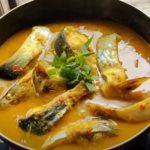
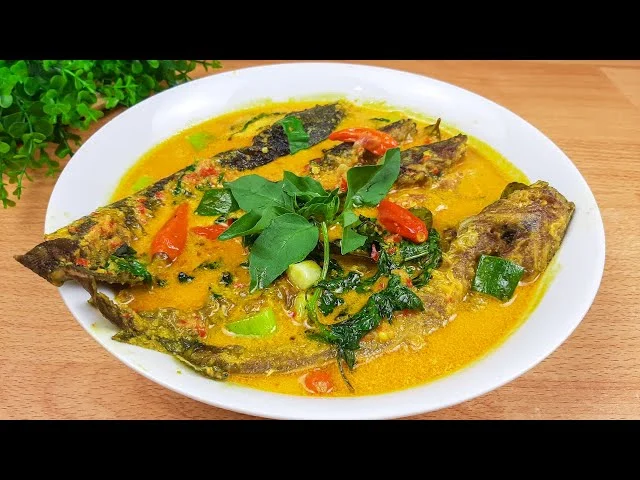

At its heart, Mangut Lele Tempoyak is a celebration of contrasting yet harmonious elements. The star protein is ikan lele, or catfish, often grilled or fried to achieve a slightly smoky and tender texture. This is then enveloped in a rich, spicy coconut milk-based broth infused with tempoyak. Tempoyak, a fermented durian paste, is the defining ingredient that lends the dish its signature pungent aroma and a unique, savory-sweet tang. It’s this adventurous combination that sets Mangut Lele apart from other Indonesian curries.
The origin of Mangut Lele Tempoyak is deeply rooted in the culinary traditions of Sumatra, particularly in regions where durian is abundant. The fermentation process of durian into tempoyak is an age-old preservation technique, allowing the fruit’s intense flavor to evolve into something more complex and less overtly sweet. When combined with the savory elements of a classic Indonesian spice paste (bumbu) and coconut milk, the tempoyak transforms, its pungency mellowing into a delightful umami depth.
Preparing authentic Mangut Lele Tempoyak requires an understanding of its key ingredients. Beyond the catfish and tempoyak, the dish relies on a fragrant blend of spices. Common elements include shallots, garlic, chilies (both fresh and dried, for heat and color), turmeric (for its earthy flavor and vibrant yellow hue), ginger, galangal, candlenuts (for thickening the sauce), and lemongrass. These are typically ground into a paste and sautéed to release their aromatic oils before being simmered in coconut milk.
The catfish, or ikan lele, plays a crucial role. It’s often pre-treated to minimize any muddy flavor. This can involve soaking in a saltwater solution or a mixture of lime juice and salt. Many recipes call for grilling or pan-frying the catfish until it’s partially cooked and slightly charred, imparting a desirable smoky note that complements the tempoyak. Some variations might fry the catfish until crispy, offering a textural contrast to the creamy sauce.
Tempoyak itself is a fermented product, and its quality significantly impacts the final dish. Ideally, one would use homemade tempoyak, which allows for control over the fermentation period and intensity. However, good quality store-bought tempoyak is also available. When selecting or preparing tempoyak, its aroma should be pungent but not overwhelmingly ammoniated. The taste should be tangy and savory, with a subtle sweetness characteristic of fermented durian.
The preparation of the spice paste, or bumbu, is a foundational step. Shallots and garlic form the aromatic base, while chilies provide the necessary heat. Turmeric adds both color and a unique earthy flavor profile. Ginger and galangal contribute warmth and complexity. Candlenuts, when ground, act as a natural thickener, giving the sauce a luxurious, velvety consistency. Lemongrass, bruised and added whole, infuses a citrusy fragrance.
Sautéing the spice paste is critical. This process, known as menumis bumbu, involves cooking the ground spices in oil until they are deeply fragrant and slightly darkened. This step awakens the spices’ essential oils and removes any raw taste, ensuring a rich and well-developed flavor base for the Mangut.
Coconut milk is the liquid foundation of the Mangut sauce. Both thick and thin coconut milk are often used. The thick coconut milk is added later in the cooking process to enrich the sauce and prevent it from splitting, while the thin coconut milk can be used for simmering the spices and bringing the sauce to a gentle boil.
The cooking process itself requires careful attention. Once the spice paste is sautéed, the tempoyak is added and stirred in, allowing its unique flavors to meld with the spices. Then, the coconut milk is introduced, and the mixture is brought to a simmer. The pre-cooked catfish is then gently added to the simmering sauce, allowing it to absorb the rich flavors.
Simmering is key to allowing the flavors to meld and the catfish to cook through. The heat should be kept at a gentle simmer, not a rolling boil, to prevent the coconut milk from curdling. The sauce should thicken gradually, coating the catfish beautifully. This slow cooking process ensures that every piece of fish is infused with the complex flavors of the bumbu and tempoyak.
Beyond the basic recipe, there are regional variations and personal touches that elevate Mangut Lele Tempoyak. Some cooks add a touch of palm sugar to balance the tanginess of the tempoyak, while others might include tamarind paste for an extra layer of sourness. Kaffir lime leaves and bay leaves are often added to the simmering sauce to impart a subtle citrusy and herbaceous aroma.
The texture of the final dish is also important. The catfish should be tender and flaky, easily separating into chunks. The sauce should be rich and creamy, with a consistency that clings to the fish. The presence of small pieces of chilies, shallots, and other aromatics adds visual appeal and textural interest.
Serving Mangut Lele Tempoyak is typically done hot, accompanied by steamed white rice. The rice acts as a perfect counterpoint to the rich, spicy, and tangy sauce, helping to balance the intense flavors. Fresh accompaniments like sliced cucumber, tomatoes, or fresh herbs can provide a refreshing contrast.
The aroma of Mangut Lele Tempoyak is as distinctive as its taste. The initial pungent whiff of fermented durian is softened by the fragrant spices and creamy coconut milk, creating a complex and inviting scent that hints at the rich flavors to come. It’s an aroma that is both challenging and enticing, drawing diners into its unique world.
For those new to tempoyak, it’s important to approach this ingredient with an open mind. Its strong smell can be off-putting to some, but when cooked, it transforms into a deeply savory and complex flavor enhancer. The key is moderation and balance with the other ingredients.
Making your own tempoyak can be a rewarding experience. It involves fermenting ripe durian flesh, typically with a bit of salt, in an airtight container for several days or weeks until it develops the desired tangy, savory profile. The process requires patience but offers unparalleled control over the final flavor.
When selecting catfish for Mangut Lele, opt for fresh, firm fish. The size of the catfish can vary, and larger pieces might require slightly longer cooking times. Ensure the fish is cleaned thoroughly before preparation.
The level of spiciness in Mangut Lele Tempoyak can be adjusted according to personal preference. By increasing or decreasing the number of fresh and dried chilies, you can tailor the heat to your liking. Some recipes also incorporate bird’s eye chilies for an extra kick.
A crucial step in achieving the best flavor is allowing the Mangut to rest for a short period after cooking. This allows the flavors to meld further, resulting in a more cohesive and satisfying taste. Some even argue that Mangut Lele Tempoyak tastes even better the next day.
The visual appeal of Mangut Lele Tempoyak is also noteworthy. The vibrant yellow-orange hue from the turmeric, interspersed with the dark red of chilies and the white of the catfish, makes for an appetizing presentation. Garnishes of fresh cilantro or sliced red chilies can further enhance its visual charm.
Exploring Mangut Lele Tempoyak is more than just trying a new recipe; it’s an immersion into the rich culinary heritage of Indonesia. It challenges the palate and rewards the adventurous diner with a symphony of unique tastes and aromas.
The specific type of chili used can also influence the final flavor. Red chilies provide a milder heat and good color, while bird’s eye chilies offer a sharper, more intense spice. Experimenting with different chili varieties can lead to nuanced flavor profiles.
The candlenuts used in the spice paste contribute not only to thickening but also to a subtle richness in the sauce. If candlenuts are unavailable, macadamia nuts can be used as a substitute, though the flavor profile may differ slightly.
The gentle simmering of the catfish in the coconut milk sauce is essential for maintaining the fish’s delicate texture. Overcooking can lead to dry, tough fish, diminishing the overall enjoyment of the dish.
For those seeking a vegetarian or vegan version, the concept of Mangut can be adapted. Instead of catfish, firm tofu, tempeh, or even large mushrooms can be used. The tempoyak and spice paste remain the core, creating a flavorful vegetarian curry with a unique twist.
The integration of tempoyak adds a layer of fermentation-derived umami that is difficult to replicate with other ingredients. This savory depth is what truly defines the dish and sets it apart.
When preparing the catfish, some chefs recommend scoring the fish lightly before grilling or frying. This allows the heat to penetrate more evenly and helps the marinade or seasoning to infuse better.
The balance of sweet, sour, salty, and spicy is paramount in Indonesian cuisine, and Mangut Lele Tempoyak is a prime example. The tempoyak provides the sour and umami notes, chilies bring the spice, coconut milk offers richness, and often a touch of sugar or palm sugar is added to round out the flavors.
The experience of eating Mangut Lele Tempoyak is often described as an adventure for the senses. The bold flavors and distinctive aroma invite a deeper appreciation for the ingenuity of Indonesian cooking.
Ultimately, mastering Mangut Lele Tempoyak is about understanding the interplay of its core components: the smoky catfish, the pungent yet savory tempoyak, and the aromatic spice paste simmered in rich coconut milk. It’s a dish that promises a memorable culinary journey.
This exploration into Mangut Lele Tempoyak highlights the beauty of Indonesian cuisine, where tradition meets innovation, and familiar ingredients are transformed into something truly extraordinary. It’s a dish that embodies the spirit of adventure and the joy of shared meals.
The next time you seek a culinary challenge that offers a profound taste of Indonesian culture, consider diving into the world of Mangut Lele Tempoyak. It is a dish that will undoubtedly leave a lasting impression on your palate and your memory.