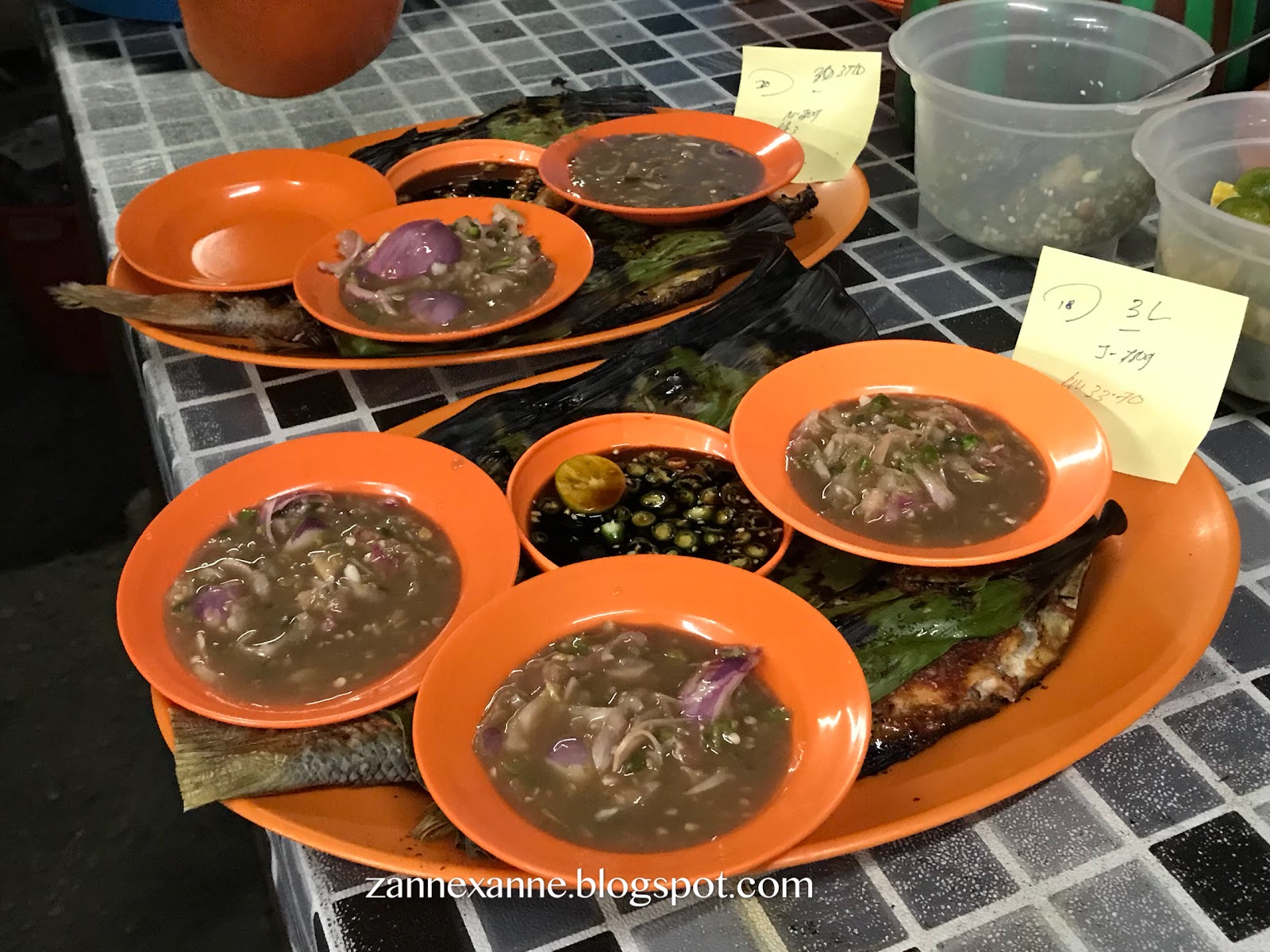
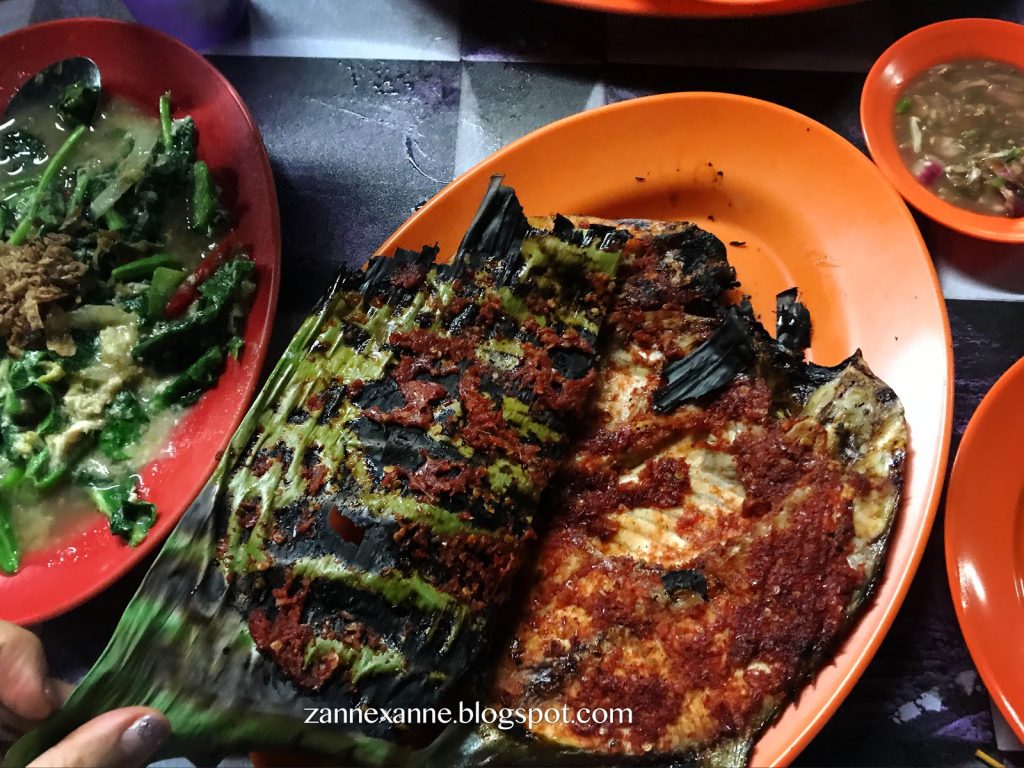

The foundation of this dish lies in the tempoyak itself. Tempoyak is made by fermenting ripe durian fruit, a process that transforms its pungent aroma into a savory, tangy, and slightly sweet paste. The fermentation period is crucial; a well-fermented tempoyak will have a depth of flavor that is essential for a truly authentic Seafood Tempoyak Ikan Mujair. It’s important to source good quality, ripe durian for the best results. If you’re not making your own tempoyak, ensure you purchase it from a reputable supplier.
Beyond the tempoyak, the choice of seafood is equally important. While Ikan Mujair is specified, other firm white fish can be used as alternatives if Mujair is unavailable. The key is a fish that can withstand the cooking process without disintegrating and has a mild flavor that won’t overpower the tempoyak. Other suitable options include tilapia, snapper, or even certain types of catfish.
The preparation of the spices forms the aromatic backbone of the dish. A typical spice blend might include shallots, garlic, chilies (fresh and dried), turmeric, ginger, and galangal. These ingredients are usually pounded or blended into a fine paste, which is then sautéed until fragrant. The quality and freshness of these spices will significantly impact the final flavor profile of your Seafood Tempoyak Ikan Mujair.
Let’s delve into the step-by-step process of creating this culinary masterpiece. The first crucial step is preparing the Ikan Mujair. Clean the fish thoroughly, removing scales and entrails. You can choose to leave the fish whole, cut it into steaks, or fillet it, depending on your preference and how you intend to serve the dish. Scoring the fish lightly can help it absorb the flavors more effectively.
Next, prepare the spice paste. Finely chop or blend the shallots, garlic, fresh chilies, turmeric, ginger, and galangal. If using dried chilies, soak them in hot water until softened, then blend. The quantity of chilies can be adjusted based on your spice tolerance. A good balance is key to ensuring the dish is flavorful but not overwhelmingly hot.
In a wok or large pan, heat some cooking oil over medium heat. Add the prepared spice paste and sauté until it becomes fragrant and the oil starts to separate from the paste. This process, known as ‘pecah minyak’ in Malay, is vital for releasing the full aroma and flavor of the spices.
Once the spice paste is well-cooked, add the tempoyak to the wok. Stir it in with the spice paste and cook for a few minutes. This step allows the tempoyak to meld with the spices and develop its characteristic savory notes. Be prepared for the distinct aroma of durian to fill your kitchen – it’s a sign that you’re on the right track!
Now, it’s time to introduce the Ikan Mujair to the wok. Gently place the prepared fish into the mixture of spices and tempoyak. Ensure that the fish is coated evenly with the paste. If the mixture appears too dry, you can add a little water or coconut milk to create a sauce consistency.
The cooking process for the fish requires careful attention. Simmer the dish over low to medium heat, allowing the fish to cook through and absorb the flavors of the tempoyak and spice paste. Cover the wok or pan to trap the steam and ensure even cooking. Stir occasionally, but do so gently to avoid breaking up the fish.
Seasoning is a critical stage. Taste the dish and adjust the salt and sugar levels as needed. The tempoyak itself has a natural saltiness, so it’s advisable to add salt gradually. A touch of sugar can help balance the tanginess of the tempoyak and the spiciness of the chilies, creating a more harmonious flavor profile.
Some recipes may call for the addition of other ingredients to enhance the complexity of the dish. For instance, adding a splash of tamarind paste can add an extra layer of tartness that complements the tempoyak. Alternatively, a spoonful of shrimp paste (belacan) can further amplify the umami notes, though this is optional and depends on personal preference.
For those who prefer a richer sauce, coconut milk can be incorporated. Adding coconut milk towards the end of the cooking process will lend a creamy texture and a subtle sweetness that balances the bold flavors of the tempoyak. This variation transforms the dish into a more decadent and milder version.
Another popular variation involves adding other types of seafood alongside the Ikan Mujair. Prawns, squid, or mussels can be added during the last few minutes of cooking, as they require less time to cook than the fish. This creates a ‘Seafood Tempoyak’ in a broader sense, offering a medley of textures and flavors.
The aroma of the finished Seafood Tempoyak Ikan Mujair is truly intoxicating – a fragrant blend of durian, spices, and perfectly cooked fish. The visual appeal is also noteworthy, with the vibrant colors of the turmeric and chilies contrasting with the white flesh of the fish and the rich sauce.
Serving this dish is typically done hot, usually with steamed white rice. The rice acts as a perfect canvas to soak up the flavorful sauce. A side of fresh cucumber slices or a simple salad can provide a refreshing contrast to the richness of the tempoyak.
The cultural significance of tempoyak dishes cannot be overstated. They are often prepared during special occasions and family gatherings, representing a connection to ancestral culinary practices. Sharing a plate of Seafood Tempoyak Ikan Mujair is more than just a meal; it’s an experience that connects people to their heritage.
For those new to tempoyak, the initial aroma might be challenging. However, persistence is key. The fermented durian flavor is an acquired taste, but once appreciated, it opens up a world of complex and satisfying culinary possibilities. The combination with fish and spices transforms the durian into something entirely new and delicious.
When selecting Ikan Mujair, look for fish that are firm to the touch, with clear eyes and bright red gills. This indicates freshness. If purchasing fillets, ensure they are moist and have a clean, oceanic smell, not a strong fishy odor.
The quality of your chilies is also important. For a good balance of heat and flavor, use a mix of fresh red chilies for color and a milder heat, and bird’s eye chilies for a more intense kick, if desired. Remove the seeds from the chilies if you want to reduce the spiciness.
Turmeric provides not only a beautiful golden hue but also earthy notes. Fresh turmeric root is preferable, but ground turmeric can be used as a substitute. Ensure you use good quality ground turmeric for the best color and flavor.
Ginger and galangal, while similar, offer distinct flavors. Ginger provides a zesty warmth, while galangal has a more peppery, pine-like aroma. Using both can add a delightful complexity to the spice paste.
The sautéing of the spice paste should be done patiently. Overcooking can make the spices bitter, while undercooking will leave a raw, unappetizing taste. Aim for a point where the raw smell disappears and a rich, aromatic fragrance emerges.
When adding the tempoyak, stir it well to combine it with the sautéed spices. Allow it to cook for a few minutes to mellow its fermentation notes and integrate it into the spice base. This step is crucial for developing the signature tempoyak flavor.
The cooking time for the fish will vary depending on the size and thickness of the pieces. Overcooked fish will be dry and flaky, while undercooked fish will be unsafe to eat. Keep an eye on it and test for doneness by gently flaking a piece with a fork.
If you find the tempoyak flavor too strong, you can dilute it by adding more water or coconut milk. Conversely, if you want a more intense tempoyak flavor, use a slightly larger proportion of tempoyak to spices.
For a healthier preparation, consider steaming the fish separately and then adding it to the tempoyak and spice sauce. This method helps retain the fish’s texture and prevents it from becoming overcooked in the sauce.
Another approach is to bake the fish with the tempoyak and spice mixture. This can create a wonderfully concentrated flavor and a beautifully tender fish. Line a baking dish with foil or parchment paper, place the fish and sauce in, and bake until cooked through.
The art of Seafood Tempoyak Ikan Mujair is about balancing bold flavors. It’s a dish that rewards experimentation and personal adaptation. Don’t be afraid to adjust the spice levels, the amount of tempoyak, or the inclusion of other ingredients to suit your palate.
Ultimately, preparing Seafood Tempoyak Ikan Mujair is a journey into the heart of Malay cuisine. It’s a dish that offers a unique sensory experience, from its pungent aroma to its complex, savory, and slightly spicy taste. With this comprehensive guide, you are well-equipped to create this unforgettable dish in your own kitchen.