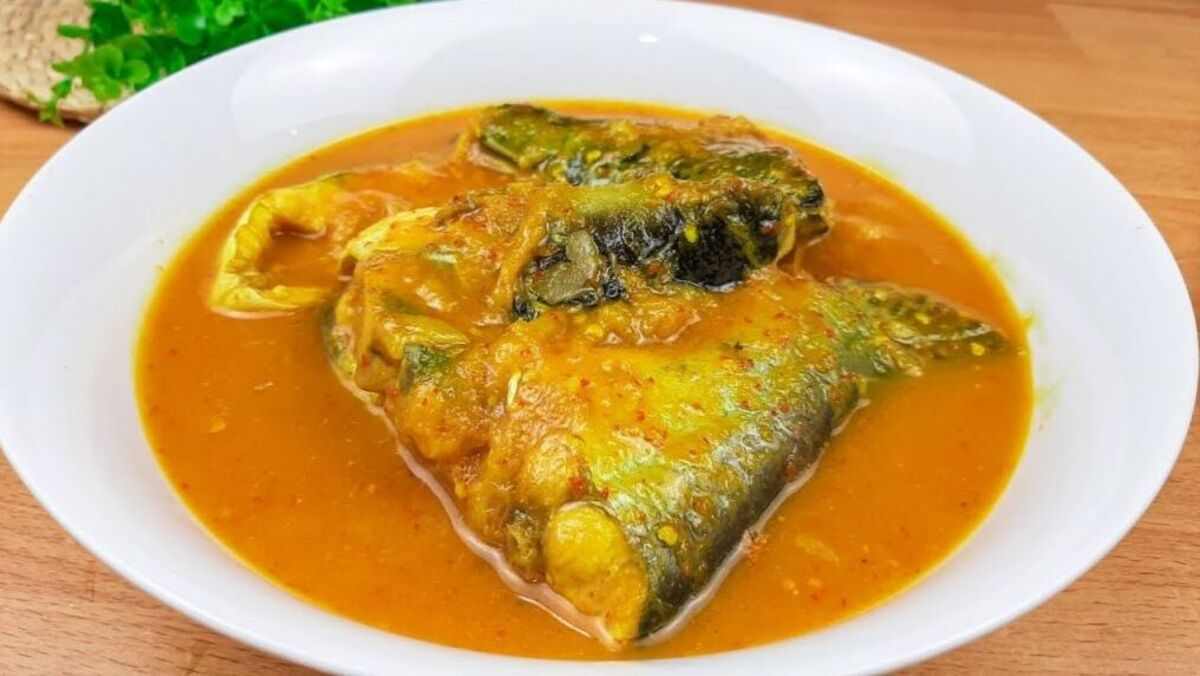
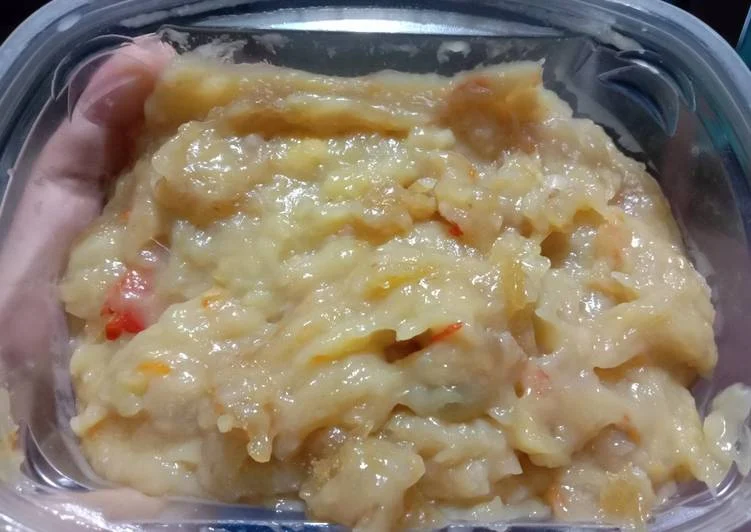

Tempoyak itself is a delicacy derived from the king of fruits, durian. Unlike the fresh fruit, tempoyak undergoes a fermentation process, typically involving durian pulp mixed with salt and left to ferment for several days or even weeks. This process transforms the durian’s sweetness into a complex, savory, and distinctly tangy flavor profile, often described as an umami bomb. Its potent aroma can be off-putting to the uninitiated, but for those who appreciate it, tempoyak is a culinary marvel, adding a depth of flavor unmatched by any other ingredient.
Preparing Seafood Tempoyak Kepiting is an art that balances strong flavors. The key is to achieve harmony, ensuring that neither the tempoyak nor the crab overpowers the other. This dish is a testament to the Indonesian culinary philosophy of using bold ingredients to create layered, complex tastes that evolve with every bite.
While the concept might sound unusual to those unfamiliar with Southeast Asian cuisine, the combination of fermented ingredients with seafood is not uncommon. Many cultures utilize fermented products to enhance flavor and add depth to their dishes. In this case, the durian’s unique fermentation process yields a result that is both intriguing and delicious when paired with the right ingredients.
The typical preparation often involves sautéing aromatics such as shallots, garlic, and chilies, which form the base of the flavor profile. These are then combined with the tempoyak paste, creating a fragrant and spicy sauce. Fresh crab, cleaned and often cut into manageable pieces, is then added to this sauce and simmered until the crab is cooked through and has absorbed the vibrant flavors.
A crucial element in achieving the perfect Seafood Tempoyak Kepiting is the quality of the tempoyak used. Good quality tempoyak should have a pleasant, tangy aroma without being excessively ammoniated, which can indicate spoilage. The texture should be paste-like, smooth, and free from excessive seeds or fibers. Many Indonesian households prepare their own tempoyak, passing down recipes and techniques through generations.
When selecting crabs, freshness is paramount. Look for crabs that are lively and heavy for their size. The type of crab used can also influence the final dish. Mud crabs (kepiting bakau) are popular for their substantial meat content and sweet flavor, making them an excellent choice for absorbing the rich tempoyak sauce. However, other varieties can also be used depending on availability and preference.
The spice level is another variable that can be adjusted to personal taste. The inclusion of fresh chilies, both red and bird’s eye, is common. For those who prefer a milder heat, the number of chilies can be reduced, or seeds can be removed. Conversely, chili enthusiasts can amplify the heat to their liking.
Beyond the core ingredients, several other spices and seasonings play a role in perfecting Seafood Tempoyak Kepiting. Turmeric is often added for its earthy flavor and vibrant color. Lemongrass, galangal, and kaffir lime leaves can contribute aromatic complexity, adding citrusy and floral notes that cut through the richness of the tempoyak and crab.
A touch of sweetness is often incorporated to balance the tanginess of the tempoyak and the spiciness of the chilies. This can come from a small amount of sugar, palm sugar being a traditional choice, or even a hint of coconut milk to add creaminess and mellow the flavors.
The cooking process itself requires attention. The aromatics should be sautéed until fragrant, releasing their full potential. The tempoyak should be cooked sufficiently to mellow its raw fermented notes and integrate its flavors with the other spices. The crab should be added at the right stage to ensure it cooks through without becoming tough or overcooked, which can make the meat rubbery.
Serving Seafood Tempoyak Kepiting is typically done hot, often accompanied by steamed white rice. The rice acts as a neutral base, absorbing the flavorful sauce and providing a comforting contrast to the intense flavors of the dish. Fresh garnishes, such as sliced chilies, fresh herbs like basil or cilantro, or even a squeeze of lime, can add a final touch of freshness and visual appeal.
This dish is a true representation of Indonesian culinary innovation, where seemingly disparate ingredients are combined to create something extraordinary. It challenges conventional flavor pairings and rewards those who dare to explore its depths.
For those new to tempoyak, it’s advisable to start with a smaller portion or a less intense preparation. Some recipes might include rinsing the tempoyak to reduce its pungency, though this can also diminish its characteristic flavor. It’s a matter of personal preference and acclimatization.
The versatility of tempoyak extends beyond just crab. It is also commonly used with other seafood like fish (especially freshwater fish like patin) and shrimp, as well as with vegetables. However, the combination with crab, with its sweet, succulent meat, remains one of the most beloved and sought-after preparations.
The aroma of Seafood Tempoyak Kepiting cooking is an experience in itself. It fills the kitchen with a complex blend of spicy, savory, tangy, and slightly sweet notes, hinting at the explosion of flavors to come. It’s a scent that evokes warmth, tradition, and the adventurous spirit of Indonesian cuisine.
When sourcing ingredients, local markets are often the best place to find fresh crabs and authentic tempoyak. If tempoyak is unavailable in your region, some specialty Asian grocery stores may carry it, or you might find recipes online for making your own, though this requires patience and a ripe durian.
The nutritional profile of this dish is also worth noting. Crab is a good source of protein, omega-3 fatty acids, and essential minerals like zinc and selenium. While tempoyak‘s nutritional benefits are less studied, fermented foods in general can be beneficial for gut health due to their probiotic content.
Let’s delve into a more detailed recipe structure, outlining the steps involved in creating this culinary masterpiece. This will serve as a guide for those eager to embark on this flavorful adventure.
- 1 kg fresh crab, cleaned and cut into pieces
- 150-200g tempoyak paste
- 3-5 red chilies, sliced (adjust to taste)
- 2-3 bird’s eye chilies, finely chopped (optional, for extra heat)
- 8-10 shallots, thinly sliced
- 4-5 cloves garlic, minced
- 1 stalk lemongrass, bruised
- 2 cm ginger, sliced
- 2 cm galangal, bruised
- 2-3 kaffir lime leaves (optional)
- 1 tsp turmeric powder
- 1 tbsp sugar (or palm sugar)
- Salt to taste
- Cooking oil
- Water or coconut milk (optional, for sauce consistency)
- Fresh cilantro or basil leaves for garnish
- Prepare the Crab: Ensure the crabs are thoroughly cleaned. Remove the top shell, devein, and cut them into serving portions. You can steam them lightly beforehand for a few minutes to ensure they cook through evenly in the sauce, or cook them directly in the sauce.
- Sauté Aromatics: Heat a generous amount of cooking oil in a wok or large pan. Sauté the sliced shallots until softened and fragrant. Add the minced garlic, ginger, and galangal, and cook for another minute until aromatic.
- Add Spices and Tempoyak: Stir in the turmeric powder and bruised lemongrass. Add the tempoyak paste and stir well, cooking for about 5-7 minutes until the tempoyak is well-cooked and its raw fermented smell subsides. Add the sliced red chilies and chopped bird’s eye chilies (if using).
- Simmer the Sauce: If the mixture seems too dry, add a splash of water or a bit of coconut milk to create a sauce consistency. Add the kaffir lime leaves, if using. Bring the mixture to a simmer.
- Cook the Crab: Add the prepared crab pieces to the wok. Stir gently to coat the crab with the tempoyak sauce. Cover the wok and let the crab simmer in the sauce for about 10-15 minutes, or until the crab is fully cooked and the shells have turned bright red. Stir occasionally to ensure even cooking.
- Season and Finish: Season the dish with sugar and salt to taste. Remember that tempoyak is already salty, so add salt cautiously. Stir well and let it simmer for a few more minutes for the flavors to meld.
- Serve: Garnish with fresh cilantro or basil leaves. Serve hot with steamed white rice.
The preparation of Seafood Tempoyak Kepiting is more than just cooking; it’s an experience that engages all the senses. The vibrant colors of the chilies and turmeric, the pungent yet enticing aroma of the tempoyak, and the final symphony of flavors make it a dish worth exploring.
This dish embodies the spirit of Indonesian cuisine – bold, diverse, and full of surprises. It encourages diners to step outside their comfort zones and discover the incredible depth and complexity that can be achieved with unique ingredients like fermented durian.
For those who find the pure tempoyak flavor too intense, there are variations. Some recipes might incorporate a small amount of tamarind paste for extra tanginess, or a touch of shrimp paste (terasi) to further enhance the umami notes. However, these additions should be made with caution to avoid overpowering the delicate crab meat.
The texture of the final dish should be a delightful contrast: tender, succulent crab meat enveloped in a rich, flavorful, and slightly thick sauce. The chilies provide bursts of heat, while the aromatics offer fragrant undertones.
Ultimately, Resep Seafood Tempoyak Kepiting is a celebration of Indonesian culinary heritage. It’s a dish that tells a story of resourcefulness, bold flavor combinations, and the enduring love for unique tastes. It’s a must-try for any serious food enthusiast looking to experience the authentic and adventurous side of Indonesian cooking.
The journey of discovering tempoyak can be as exciting as the dish itself. From understanding its fermentation process to appreciating its complex flavor profile, it adds another layer of appreciation to this remarkable seafood preparation. It’s a testament to how fermentation can transform a humble fruit into a culinary cornerstone.
Mastering this recipe requires a bit of practice, especially in balancing the flavors. Don’t be discouraged if your first attempt isn’t perfect. Each batch of tempoyak can have slightly different characteristics, and personal adjustments are always part of the cooking process. Enjoy the learning curve!
The visual appeal of the dish is also significant. The bright orange-red hue from the chilies and turmeric, interspersed with the white crab meat and green garnishes, makes for an appetizing presentation. It’s a dish that looks as exciting as it tastes.