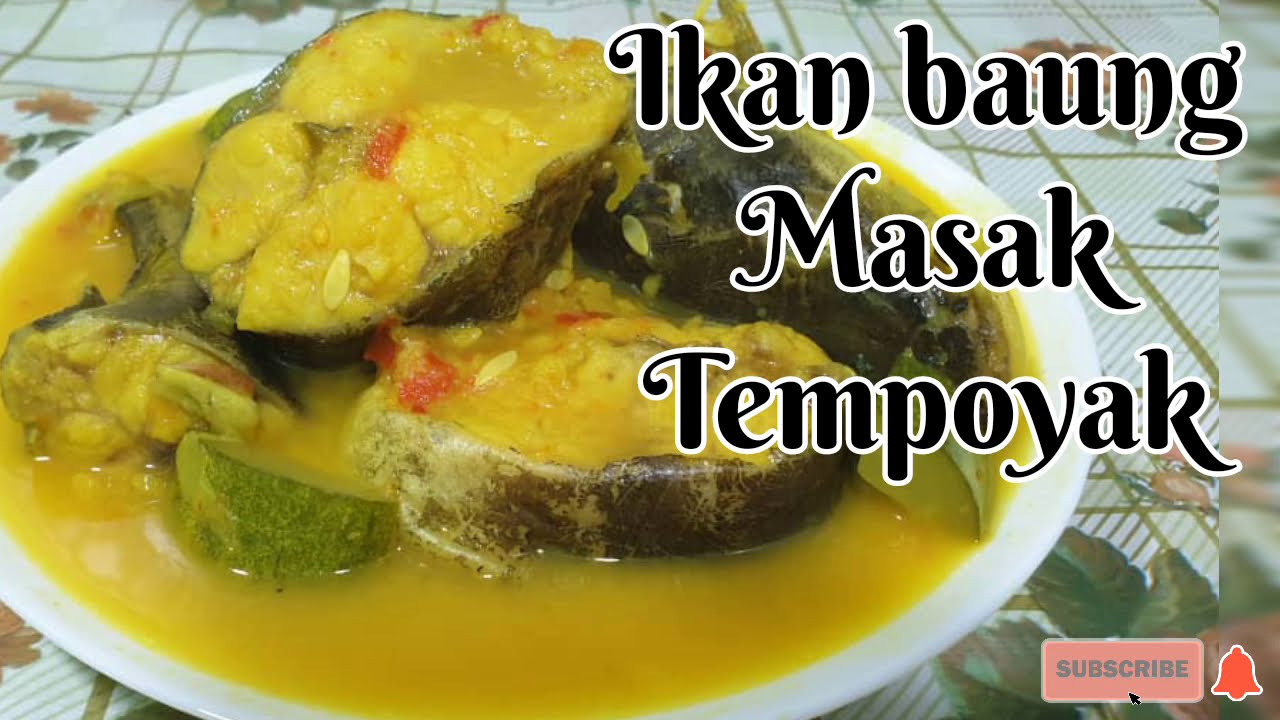
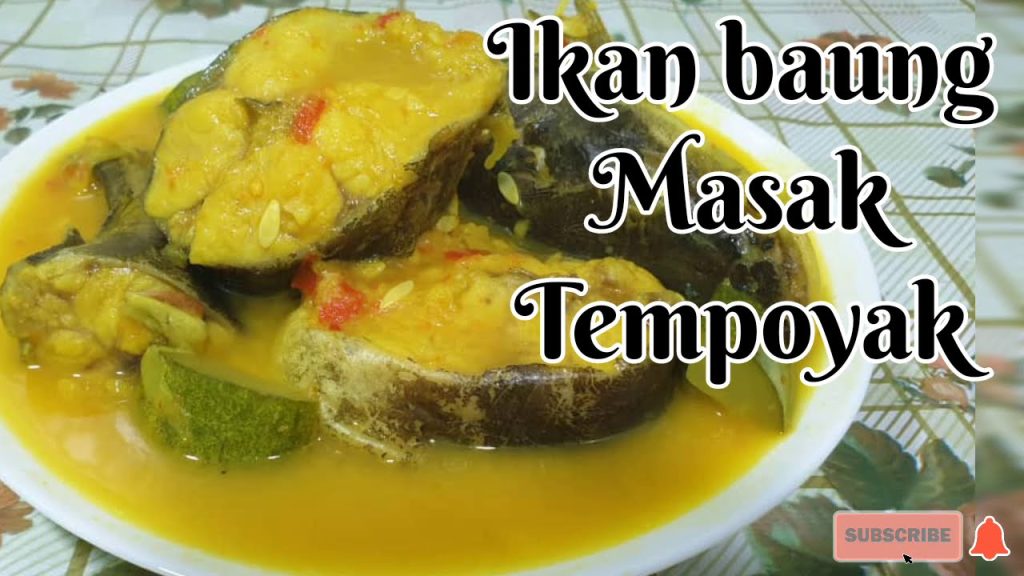

The foundation of this dish lies in two key components: the smoked Baung fish and the tempoyak. Ikan Baung, a type of freshwater catfish, is prized for its firm flesh and rich flavor. Smoking it not only preserves the fish but also infuses it with a delicate smoky aroma that is crucial to the final taste profile. Tempoyak, on the other hand, is made by fermenting ripe durian fruit. This process transforms the sweet, creamy durian into a tangy, savory paste with a characteristic pungent aroma that is acquired but beloved by many.
Creating authentic Seafood Tempoyak Ikan Baung Asap requires careful selection of ingredients. For the Ikan Baung, opt for fresh, firm fish. If smoking your own, ensure a proper smoking process that imbues a good smoky flavor without drying out the fish excessively. For those using pre-smoked fish, look for reputable sources that maintain quality and authenticity.
The tempoyak is equally critical. Ideally, homemade tempoyak offers the best flavor, as the fermentation process can be controlled. However, good quality store-bought tempoyak can also be used. The ripeness of the durian and the duration of fermentation significantly impact the tempoyak’s taste – it should be tangy and savory, not overly sweet or rotten.
Beyond the stars, a supporting cast of aromatics and spices elevates the dish. Common additions include shallots, garlic, chili peppers (adjusted to desired heat level), turmeric, and lemongrass. These ingredients are typically pounded or blended into a paste, forming the aromatic base that will be sautéed before the tempoyak and fish are added.
The preparation process usually begins with preparing the chili and spice paste. Fresh red chilies, bird’s eye chilies (for heat), shallots, garlic, and sometimes a small piece of turmeric and lemongrass are pounded together using a mortar and pestle. This traditional method is preferred as it releases the oils and flavors more effectively than modern blenders, resulting in a more robust paste.
Once the paste is ready, it’s time to sauté it. Heat a generous amount of cooking oil in a wok or pan. Add the pounded spice paste and stir-fry until fragrant and the oil begins to separate. This step is crucial for cooking out the raw flavors of the spices and developing a deep, aromatic base.
Next, the tempoyak is introduced. Add the fermented durian paste to the sautéed spices. Stir well and continue to cook for a few minutes. The tempoyak needs to be heated through to meld its tangy flavors with the spices. Be mindful of the pungent aroma – this is normal and a sign of authentic tempoyak.
Now, the star of the show, the smoked Ikan Baung, is added. Gently break the smoked fish into bite-sized pieces and add them to the wok. Stir carefully to coat the fish with the tempoyak and spice mixture. Avoid over-stirring, which can break the fish apart too much.
Water or a bit of stock might be added at this stage to create a sauce and ensure the flavors meld together. The mixture is then simmered gently, allowing the fish to absorb the complex flavors of the tempoyak and spices. This simmering period is essential for achieving a harmonious blend of smoky, tangy, spicy, and savory notes.
Seasoning is key, but it needs to be approached with care. Tempoyak itself is salty and savory, so taste the mixture before adding any additional salt. A pinch of sugar might be added to balance the tanginess of the tempoyak and the heat of the chilies, depending on personal preference.
Some variations of this dish incorporate other seafood, hence the ‘Seafood’ prefix. While Ikan Baung is traditional, shrimp, other types of fish, or even squid can be added to create a richer, more varied seafood experience. If adding other seafood, consider their cooking times and add them accordingly to avoid overcooking.
Garnishes can significantly enhance the presentation and flavor. Fresh herbs like Vietnamese mint (daun kesum), basil, or even thinly sliced spring onions can add a burst of freshness. A final drizzle of chili oil or a sprinkle of fried shallots can also add texture and visual appeal.
Serving Seafood Tempoyak Ikan Baung Asap is traditionally done with steamed white rice. The plain rice acts as a perfect canvas to absorb the intense flavors of the dish. It’s a meal that is best enjoyed hot, allowing the full aroma and taste to be appreciated.
The unique flavor profile of this dish is what makes it so memorable. The pungent, fermented tang of the tempoyak cuts through the richness of the fish, while the smoky notes of the Ikan Baung provide a grounding depth. The chilies add a pleasant heat that lingers on the palate, making each bite an adventure.
For those new to tempoyak, the initial aroma can be challenging. However, perseverance is rewarded with a truly unique and delicious culinary experience. The flavor is far more complex and nuanced than the smell might suggest, offering a delightful balance of savory, sour, and umami notes.
When making this dish at home, it’s important to use high-quality ingredients. The freshness of the fish and the quality of the durian used for the tempoyak will directly translate to the final taste. Don’t be afraid to adjust the chili levels to suit your spice tolerance.
The process of smoking fish, particularly Ikan Baung, is an art form. Traditionally, it involves slow-smoking over hardwood embers, which imparts a deep, aromatic flavor. Achieving the right balance of smoke and moisture is crucial for the texture and taste of the fish.
Tempoyak preparation itself can be a lengthy process, often taking several days to weeks for the durian to ferment properly. The result is a paste that is both a flavor enhancer and a natural preservative, a true staple in many Malay and Indonesian kitchens.
The culinary journey of Seafood Tempoyak Ikan Baung Asap highlights the resourcefulness and creativity of traditional cooking. It transforms humble ingredients into a dish that is both comforting and exotic, appealing to adventurous palates.
The texture of the finished dish is also noteworthy. The flaked, smoky fish should be tender and moist, enveloped in a rich, slightly thick sauce derived from the sautéed spices and tempoyak. The contrast between the soft fish and the aromatic sauce is highly satisfying.
For a truly authentic experience, consider using a mortar and pestle for grinding the spices. This traditional method breaks down the ingredients in a way that releases their essential oils and flavors more effectively, contributing to a more authentic taste.
When sautéing the spices and tempoyak, ensure the heat is moderate. High heat can burn the spices, leading to a bitter taste. Slow and steady sautéing allows the flavors to develop fully and meld together beautifully.
The choice of cooking oil can also subtly influence the flavor. A neutral vegetable oil is common, but some might opt for a small amount of coconut oil for added richness, although this is less traditional.
The fermentation process of tempoyak is a natural biological process. The enzymes in the durian break down its sugars and proteins, creating the characteristic tangy and savory flavor. This fermentation also makes the nutrients in the durian more bioavailable.
If you find the flavor of tempoyak too intense, you can try using slightly less of it, or balance it with a bit more coconut milk or water to dilute its pungency, though this will alter the authentic taste.
The smoky element from the Ikan Baung Asap is non-negotiable for this specific dish. It provides a crucial counterpoint to the fermented durian and the heat from the chilies. Without the smoke, the dish loses a significant layer of its complexity.
This dish is not merely a meal; it’s a cultural experience. It connects diners to the traditions and flavors of the region, offering a glimpse into the culinary heritage passed down through generations.
Experimentation is part of the joy of cooking. While the core recipe remains consistent, feel free to adjust the spice levels, the type of chilies used, or even the accompanying herbs to personalize your Seafood Tempoyak Ikan Baung Asap.
The beauty of dishes like this lies in their ability to evoke memories and create a sense of home for those who grew up with these flavors. It’s a dish that brings people together around the table, fostering connection and shared enjoyment.
In conclusion, mastering Seafood Tempoyak Ikan Baung Asap is a rewarding culinary endeavor. It requires patience, quality ingredients, and an appreciation for bold, complex flavors. The result is a dish that is truly unforgettable, a celebration of Southeast Asian gastronomy.