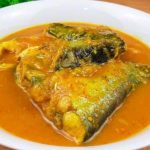
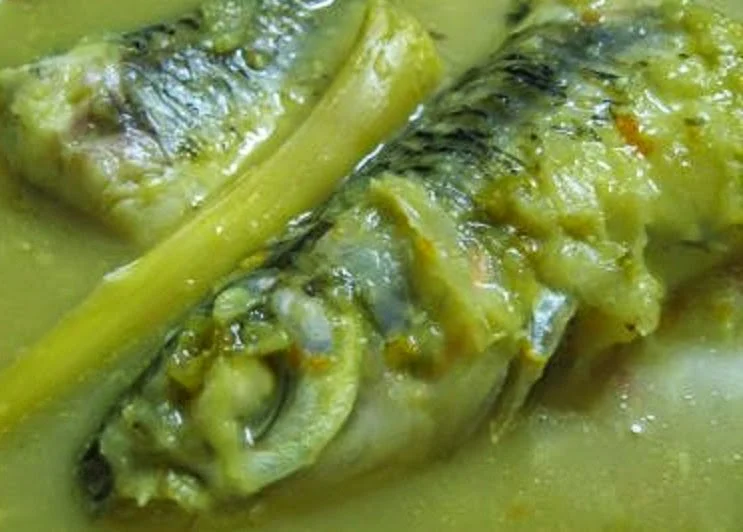

This guide aims to demystify the process of creating authentic Ikan Jelawat Tempoyak, offering step-by-step instructions suitable for both seasoned cooks and enthusiastic beginners. We will delve into the nuances of selecting the best ingredients, understanding the role of each component, and mastering the cooking techniques that bring this iconic dish to life.
The star of our dish, Ikan Jelawat, is a freshwater fish prized for its firm, white flesh and relatively few small bones, making it ideal for dishes where the fish is cooked until tender and flaky. Its mild flavor profile allows it to absorb the complex, robust taste of the tempoyak without being overwhelmed.
Selecting the freshest Ikan Jelawat is paramount. Look for fish with clear, bright eyes, firm flesh that springs back when pressed, and a fresh, oceanic (or freshwater, in this case) smell. Avoid fish with dull eyes, soft flesh, or a strong, unpleasant odor. The size of the fish can vary, but generally, a medium-sized Jelawat, around 500-800 grams, is perfect for this recipe, offering a good balance of flesh to bone.
The soul of this dish, however, is the Tempoyak. Tempoyak is made by fermenting ripe durian flesh, typically with a bit of salt, for several days or even weeks. The fermentation process breaks down the sugars in the durian, resulting in a potent, sour, and intensely aromatic paste. The quality of the durian used significantly impacts the final tempoyak. Ripe, sweet durian will yield a more complex and less harsh fermented product.
When purchasing tempoyak, look for a reputable source. The paste should have a rich, golden-yellow hue and a strong, characteristic aroma. It should not smell overly ammoniated or rancid, which can indicate spoilage. If you are brave enough, you can even make your own tempoyak from scratch, though this requires patience and a good source of ripe durian.
Beyond the fish and tempoyak, a supporting cast of aromatics and spices elevates the dish. Common ingredients include shallots, garlic, chilies (fresh and dried), turmeric, and sometimes ginger. These provide a fragrant base and a kick of heat that complements the richness of the tempoyak and the sweetness of the fish.
Fresh chilies, such as bird’s eye chilies (cili padi), are essential for adding a fiery heat. The number used can be adjusted to your spice preference. Dried chilies, rehydrated and blended, contribute a deeper, more mellow heat and a richer color to the sauce.
Shallots and garlic form the aromatic foundation. Finely chopped or blended, they release their pungent sweetness when sautéed, creating a complex flavor base. Turmeric, either fresh or powdered, adds not only a vibrant color but also a subtle earthy note.
The cooking process for Ikan Jelawat Tempoyak typically involves creating a flavorful paste (sambal) with the tempoyak and aromatics, then gently cooking the fish in this paste, often with the addition of water or coconut milk to create a rich gravy.
The first step in preparation is usually to prepare the fish. Clean the Ikan Jelawat thoroughly, removing scales and internal organs. You can choose to leave the fish whole, cut it into steaks, or fillet it, depending on your preference and how you want the fish to cook. Scoring the flesh of larger pieces can help them cook more evenly and absorb the flavors better.
Next, we prepare the sambal base. This involves blending or finely mincing the chilies, shallots, garlic, and sometimes a small piece of turmeric and ginger. The texture of this paste is a matter of personal preference; some prefer it very smooth, while others like it slightly chunky.
In a pot or wok, heat some oil. Add the blended chili paste and sauté it until fragrant and the oil begins to separate from the paste. This process, known as ‘pecah minyak’ (breaking the oil), is crucial for developing the deep flavors of the sambal and removing any raw taste from the chilies.
Once the sambal is cooked, add the tempoyak. Stir well and continue to cook for a few minutes, allowing the tempoyak to meld with the chili paste. This is where the characteristic aroma of the dish begins to intensify. Be mindful of the heat; low to medium heat is best to prevent burning.
Some recipes call for adding a bit of tamarind paste (asam jawa) at this stage if the tempoyak is not sour enough, or if you desire a tangier profile. However, good quality tempoyak often provides sufficient sourness on its own.
Now, it’s time to introduce the Ikan Jelawat. Gently place the fish pieces into the simmering sambal tempoyak mixture. If using a whole fish, you might need a larger pot or a deeper wok. Ensure the fish is coated as much as possible with the paste.
Add water or coconut milk. Water is common for a lighter gravy, while coconut milk (santan) adds richness and creaminess, making the dish more decadent. Start with a moderate amount and add more if needed to achieve your desired gravy consistency.
Bring the mixture to a gentle simmer. Cover the pot and let the fish cook through. The cooking time will depend on the size and thickness of the fish pieces. For steaks or fillets, this might take 10-15 minutes. For a whole fish, it could be 20-30 minutes, or until the flesh is opaque and flakes easily.
During the simmering process, the flavors will meld beautifully. The fish will absorb the spicy, sour, and pungent notes of the tempoyak sambal, while the tempoyak paste will be enriched by the natural sweetness and juices of the fish.
Seasoning is key. Taste the gravy and adjust the salt and sugar as needed. The tempoyak itself is salty, so add salt cautiously. A pinch of sugar can help balance the sourness and spiciness, rounding out the flavors.
Some variations include adding other ingredients towards the end of cooking. Sliced onions, long beans, or even pineapple chunks can be added to provide textural contrast and additional layers of flavor. Pineapple, in particular, works well with tempoyak, its sweetness and acidity complementing the fermented durian.
The final consistency of the gravy is also a matter of preference. Some enjoy a thick, rich sauce that clings to the fish, while others prefer a more soupy consistency, perfect for spooning over rice.
Serving Ikan Jelawat Tempoyak is traditionally done hot, with steamed white rice. The fluffy, plain rice acts as a perfect canvas to soak up the intensely flavored gravy and complements the complex taste of the fish.
Garnishes can include fresh herbs like cilantro or sliced red chilies for a pop of color and freshness. A side of fresh cucumber slices or a simple salad can offer a refreshing counterpoint to the richness of the dish.
For those new to tempoyak, the aroma can be quite challenging. It’s an acquired taste, much like strong cheeses or fermented foods from other cultures. However, the unique umami depth and complex flavor it imparts are truly addictive once you overcome the initial olfactory hurdle.
The health benefits of fermented foods like tempoyak are also noteworthy. They contain probiotics that can aid digestion and contribute to gut health. Durian itself is rich in vitamins and minerals, though the fermentation process alters its nutritional profile.
Experimentation is encouraged. Once you’ve mastered the basic recipe, feel free to tweak the spice levels, add different vegetables, or even try different types of fish. The essence of traditional cooking lies in adapting recipes to suit personal tastes while honoring the core flavors.
Ikan Jelawat Tempoyak is more than just a meal; it’s an experience. It represents a connection to heritage, a celebration of unique local ingredients, and a testament to the ingenuity of culinary traditions that transform humble ingredients into extraordinary dishes.
Whether you are a fan of durian or simply an adventurous eater looking to explore new flavors, Ikan Jelawat Tempoyak offers a rewarding culinary journey. The combination of the succulent fish and the bold, fermented durian paste creates a dish that is unforgettable and deeply satisfying.
Remember to source your ingredients carefully, pay attention to the cooking process, and most importantly, enjoy the process of creating this magnificent dish. Selamat menjamu selera!