
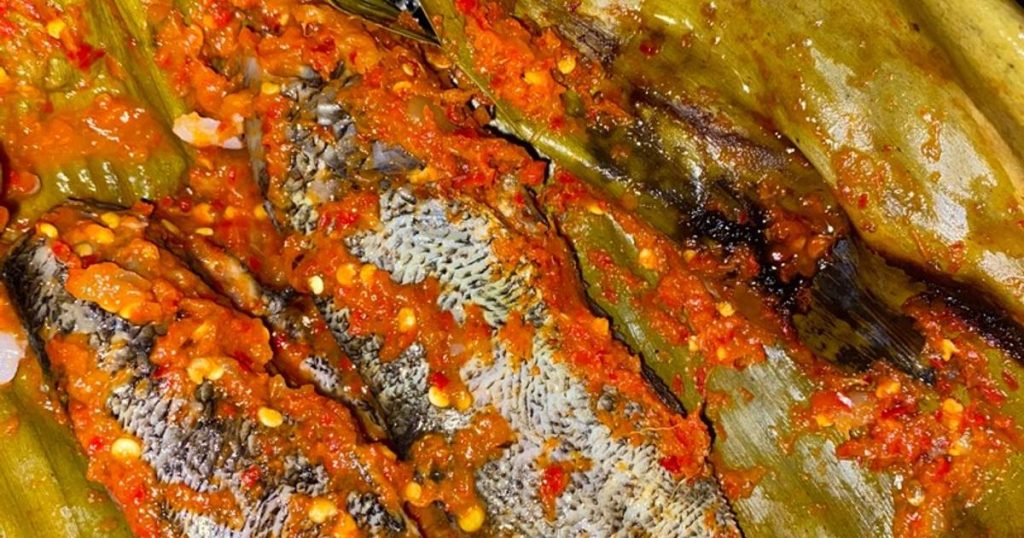

At its heart, Tempoyak Ikan Sepat is a celebration of fermentation, a culinary tradition found in many cultures worldwide, but with a uniquely Malaysian twist. The star ingredient, tempoyak, is made from ripe durian fruit that has been fermented for several days, developing a complex aroma and a tangy, slightly sweet, and intensely umami flavor. This fermentation process transforms the already potent durian into something entirely new, a potent condiment that forms the soul of this dish.
The choice of fish is equally crucial. Ikan Sepat, or climbing perch, is a freshwater fish commonly found in Malaysia’s rivers and paddy fields. It possesses a firm texture and a distinct, slightly muddy flavor that pairs exceptionally well with the robust taste of tempoyak. While other fish can be used, ikan sepat is the traditional and preferred choice, offering an authentic taste that resonates with local palates.
The preparation of Tempoyak Ikan Sepat is an art form, often passed down through generations. It involves a careful balance of flavors, where the pungency of the tempoyak is tempered by aromatics and spices, creating a harmonious symphony on the palate. The process typically begins with preparing the tempoyak, ensuring it is fresh and of good quality. This often involves rinsing it to remove excess liquid and any unwanted fibrous bits.
Next, the ikan sepat is cleaned and prepared. Traditionally, the fish is often cut into manageable pieces or sometimes left whole, depending on the size and preference. Some recipes call for lightly scoring the fish to allow the flavors to penetrate better during cooking.
The aromatic base for the sambal, which forms the sauce for the tempoyak and fish, is a critical component. This usually involves a blend of chilies (fresh and dried), shallots, garlic, and sometimes ginger or galangal. These ingredients are pounded or blended into a fine paste, releasing their fragrant oils and setting the stage for the complex flavors to come.
The cooking process itself is relatively straightforward but requires attention to detail. The chili paste is typically sautéed in oil until it darkens and becomes fragrant, a process known as ‘pecah minyak’ (breaking the oil), which deepens its flavor and reduces its raw spiciness.
Once the chili paste is well-cooked, the tempoyak is added. This is where the magic truly begins. The tempoyak is gently sautéed with the chili paste, allowing its unique fermentation notes to meld with the spicy base. It’s important not to overcook the tempoyak at this stage, as excessive heat can diminish its delicate flavor profile.
A touch of sweetness is often added to balance the tanginess and spice. Sugar, palm sugar (gula Melaka), or even a hint of tamarind paste can be used to achieve this balance. This step is crucial for rounding out the flavors and making the dish more palatable to a wider audience.
The prepared ikan sepat is then introduced to the simmering tempoyak and chili mixture. The fish is gently placed into the sauce, ensuring it is well-coated. The dish is then allowed to simmer gently until the fish is cooked through and the flavors have melded beautifully.
Seasoning is paramount. Salt is added judiciously, as the tempoyak itself can be quite salty. Some cooks also add a touch of fish sauce or shrimp paste (belacan) for an extra layer of umami, though this should be done with care to avoid overpowering the other flavors.
Garnishes play a significant role in enhancing the visual appeal and flavor of Tempoyak Ikan Sepat. Fresh herbs such as daun kesum (laksa leaves) or torch ginger flower (bunga kantan) are often added towards the end of cooking, imparting a refreshing aroma and a subtle herbaceous note.
Some variations might include additional ingredients like sliced onions, tomatoes, or even lady’s fingers (okra) to add texture and visual interest. These additions, while not always traditional, can contribute to a more well-rounded dish.
The serving of Tempoyak Ikan Sepat is typically accompanied by steamed white rice. The fluffy, neutral rice serves as the perfect canvas to absorb the rich, complex sauce and complement the savory fish. A few slices of cucumber or other fresh vegetables are often served alongside to provide a refreshing contrast.
The aroma that emanates from a freshly prepared dish of Tempoyak Ikan Sepat is truly captivating. It’s a complex bouquet of spicy chilies, pungent durian, fragrant aromatics, and the subtle brininess of the fish. It’s a scent that evokes a sense of home, tradition, and culinary adventure.
The texture of the dish is equally important. The flaky, tender fish contrasts beautifully with the slightly chunky texture of the cooked tempoyak and the smooth, rich sambal sauce. The interplay of textures keeps each bite engaging and satisfying.
Culturally, Tempoyak Ikan Sepat holds a special place in Malaysian heritage, particularly in states like Pahang and Terengganu, where durian cultivation is abundant. It is a dish that is often associated with family gatherings, celebrations, and the sharing of traditional recipes.
The appreciation for Tempoyak Ikan Sepat often grows with exposure. For those unaccustomed to the strong aroma and flavor of fermented durian, the initial experience might be challenging. However, with each bite, the complex layers of flavor unfold, revealing a depth and richness that is truly unique and addictive.
The nutritional aspect of Tempoyak Ikan Sepat should also be considered. Fish, especially freshwater varieties like ikan sepat, are a good source of protein and omega-3 fatty acids. While the fermentation process of durian might alter some of its nutritional components, it also introduces beneficial probiotics.
However, it’s worth noting that the dish can be high in sodium due to the salt and potential use of shrimp paste. Moderation is key, especially for individuals with dietary restrictions.
For those looking to recreate this authentic Malaysian delicacy at home, sourcing good quality tempoyak is the first step. It can often be found in Asian grocery stores or made at home if ripe durian is available. The quality of the tempoyak will significantly impact the final dish.
When preparing the sambal, the intensity of the chilies can be adjusted to personal preference. Using a mix of fresh and dried chilies provides a more nuanced heat and flavor profile compared to using only one type.
The cooking time for the fish should be monitored closely. Overcooking can lead to dry, tough fish, while undercooking will leave it raw. The goal is tender, flaky fish that easily separates from the bone.
Experimentation with garnishes can lead to delightful variations. While daun kesum is traditional, other herbs like cilantro or mint could offer a different aromatic dimension, though purists might prefer the classic approach.
Tempoyak Ikan Sepat is more than just a meal; it’s an experience. It’s a journey into the heart of Malaysian culinary tradition, a dish that challenges perceptions and rewards the adventurous palate with its unparalleled depth of flavor.
The versatility of this dish also allows for adaptation. While ikan sepat is traditional, other firm, white-fleshed fish like tilapia or even mackerel could be used as substitutes, though the authentic taste will be altered.
The cooking method can also be varied. Some prefer to steam the fish separately and then add it to the tempoyak sauce, while others prefer to cook it directly in the sauce as described, allowing for maximum flavor infusion.
The sustainability of ingredients is also a growing consideration in modern cooking. Opting for locally sourced ikan sepat and durian, when possible, supports local farmers and reduces the carbon footprint of the dish.
Sharing this dish with friends and family is a cherished aspect of its cultural significance. It’s a conversation starter, a point of pride, and a way to connect with Malaysian heritage.
For those new to tempoyak, it is advisable to start with a smaller portion and gradually increase as your palate adjusts to its unique characteristics. The reward is a deeper appreciation for this complex and delicious ingredient.
In conclusion, Resep Seafood Tempoyak Ikan Sepat is a quintessential Malaysian dish that offers a profound culinary experience. It is a testament to the power of fermentation, the skillful use of local ingredients, and the rich tapestry of flavors that define Malaysian cuisine. Embark on this delicious adventure and discover the unforgettable taste of authentic Tempoyak Ikan Sepat.