
At its core, Tempoyak is a testament to the ingenuity of preservation techniques. Durian, the ‘king of fruits,’ known for its potent aroma and creamy texture, is naturally fermented with salt for several days or weeks. This process mellows the fruit’s intense sweetness, transforming it into a pungent, tangy, and slightly sour paste that serves as a powerful umami enhancer. The unique flavor profile of Tempoyak is an acquired taste for some, but for those who appreciate it, it unlocks a world of culinary possibilities.
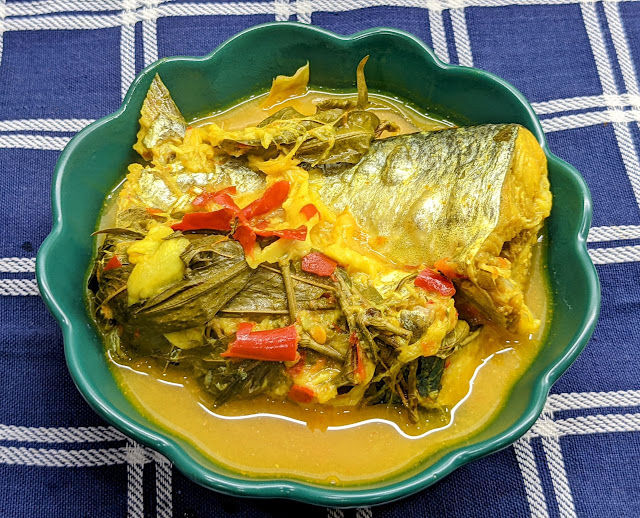
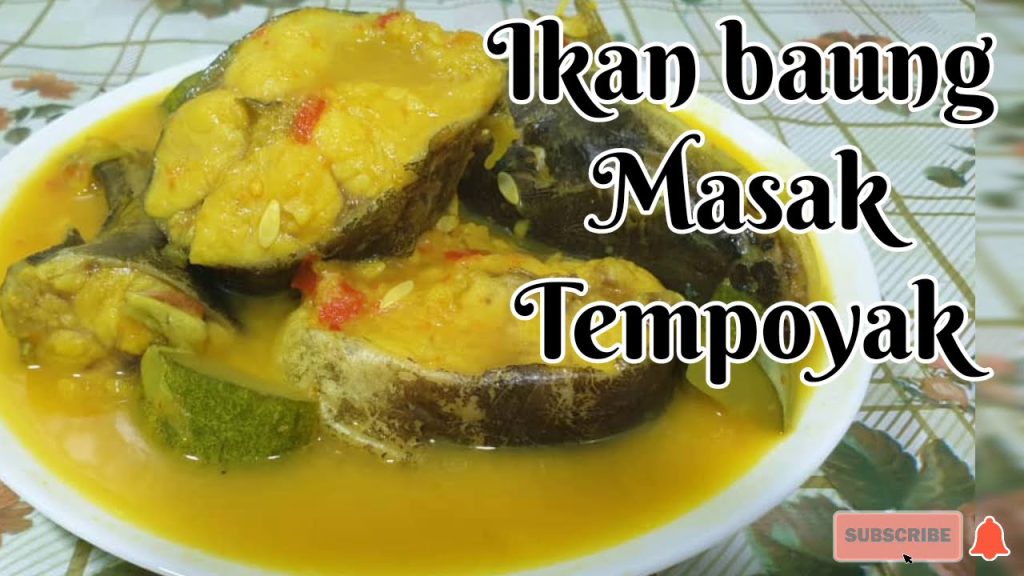
Ikan Baung, the star protein in this recipe, is a freshwater fish prized for its firm, white flesh and relatively mild flavor, which makes it an excellent canvas for the bold taste of Tempoyak. Its texture holds up well during the cooking process, absorbing the complex flavors of the sambal and other aromatics without falling apart. The choice of fish is crucial, as a fish with a strong natural flavor might overpower the delicate balance of the Tempoyak.
The preparation of Seafood Tempoyak Ikan Baung typically involves creating a rich sambal (chili paste) that serves as the primary flavor vehicle. This sambal is usually a vibrant blend of fresh chilies (both red and bird’s eye for varying heat levels), shallots, garlic, and sometimes ginger and turmeric. These ingredients are traditionally pounded together using a mortar and pestle, a method that releases their essential oils and creates a coarser, more rustic texture compared to blended pastes.
The soul of the sambal, however, lies in the addition of the fermented durian paste, Tempoyak. This is where the magic happens. The pungent, tangy notes of the Tempoyak meld with the heat of the chilies and the savory depth of the shallots and garlic, creating a complex flavor profile that is simultaneously spicy, sour, savory, and subtly sweet from the residual durian notes.
Cooking the Tempoyak sambal is a crucial step. It’s typically sautéed in oil until fragrant and the flavors have melded beautifully. This process not only cooks the raw ingredients but also deepens the aroma and intensifies the taste. Some cooks might add a pinch of sugar to balance the acidity of the Tempoyak, or a touch of tamarind for an extra layer of sourness, though the Tempoyak itself provides significant tang.
Once the sambal is ready, the Ikan Baung is introduced. The fish is often cut into pieces, sometimes marinated briefly in salt and lime juice to remove any fishy odor and to firm up the flesh. The pieces are then gently added to the simmering sambal, ensuring they are coated evenly. The dish is then cooked until the fish is thoroughly cooked through and has absorbed the rich flavors of the Tempoyak sambal.
The cooking process itself requires a gentle hand. Overcooking can lead to dry fish, while undercooking means the fish won’t be safe to eat. The goal is to achieve flaky, moist fish that readily separates into succulent morsels, infused with the distinctive aroma and taste of the Tempoyak.
Beyond the core ingredients, various other aromatics and seasonings can be added to enhance the dish. Lemongrass, kaffir lime leaves, and galangal are common additions that lend a fragrant, citrusy, and slightly peppery note, further complementing the complexity of the Tempoyak. A splash of water or coconut milk might be added to create a saucier consistency, depending on personal preference and regional variations.
Regional variations of Seafood Tempoyak Ikan Baung are abundant. In some areas, the fish might be lightly fried before being added to the sambal, creating a delightful contrast in textures. In others, the Tempoyak itself might be a more prominent flavor, with less chili used, focusing on the fruit’s unique character. The type of chili used can also vary widely, from mild red chilies to fiery bird’s eye chilies, dictating the overall heat level of the dish.
Serving this dish is an event in itself. Seafood Tempoyak Ikan Baung is almost always served piping hot with generous portions of steamed white rice. The plain rice acts as a perfect foil to the intense flavors of the dish, allowing each bite to be savored. A sprinkle of fresh herbs, like cilantro or sliced chilies, can add a final touch of freshness and visual appeal.
Accompanying side dishes are often simple, allowing the Tempoyak to shine. Fresh cucumber slices, lightly blanched vegetables like long beans or spinach, and perhaps a simple omelet or fried egg can round out the meal beautifully. The key is to complement, not compete with, the star dish.
The nutritional profile of Seafood Tempoyak Ikan Baung is noteworthy. Ikan Baung is a good source of lean protein and essential fatty acids. While durian is calorie-dense and rich in carbohydrates and healthy fats, its fermentation process can alter its nutritional composition. The dish, when prepared with moderate amounts of oil and chilies, can be a balanced and satisfying meal.
Understanding the role of Tempoyak in Indonesian cuisine reveals its significance beyond just a condiment. It’s a symbol of resourcefulness, a way to utilize a bountiful fruit and transform it into a staple ingredient. Its pungent aroma, often described as polarizing, is deeply ingrained in the culinary identity of many Indonesian communities.
The preparation of Tempoyak itself can be a lengthy process, often involving communal efforts. Families might prepare large batches during durian season, ensuring a supply for months to come. This tradition reinforces social bonds and the transmission of culinary knowledge across generations.
When attempting to recreate Resep Seafood Tempoyak Ikan Baung at home, sourcing fresh Ikan Baung is paramount. If Ikan Baung is unavailable, other firm white fish like tilapia, snapper, or even mackerel can be substituted, though the authentic flavor profile might be slightly altered. The quality of the Tempoyak is equally critical; look for a paste with a balanced aroma and flavor, not overwhelmingly ammoniated.
For those new to Tempoyak, it’s advisable to start with a smaller amount and gradually increase it to acclimate your palate. The intensity of the flavor can be surprising, but its unique character is what makes this dish so compelling.
The process of making the sambal should be done with care. Sautéing the aromatics and chilies until fragrant is essential for developing the base flavor. Adding the Tempoyak and cooking it down slightly allows its unique tanginess to integrate smoothly with the other spices.
When adding the fish, be sure to cook it gently. The heat should be moderate, allowing the fish to cook through without becoming tough. Stirring should be done minimally to prevent the fish from breaking apart too much, preserving some of its form.
The choice of cooking oil can also subtly influence the final dish. A neutral vegetable oil is commonly used, but some might opt for a small amount of coconut oil for added richness.
Garnishing is often minimal but impactful. A few slices of fresh red chili or a sprinkle of finely chopped scallions can provide a pop of color and a fresh counterpoint to the rich flavors.
The aroma that fills the kitchen while cooking Seafood Tempoyak Ikan Baung is truly intoxicating for those who love the scent of durian and spices. It’s a smell that evokes warmth, comfort, and the anticipation of a delicious meal.
The texture of the final dish is a delightful interplay of soft, flaky fish, a rich and slightly chunky sambal, and the accompanying fluffy rice. Each component plays a vital role in creating a harmonious culinary experience.
For a truly authentic experience, consider serving this dish with traditional Indonesian accompaniments like ‘lalapan’ (raw or lightly blanched vegetables) and ‘sambal terasi’ (shrimp paste chili), though the Tempoyak sambal itself is often sufficient.
The cultural significance of this dish cannot be overstated. It represents a connection to ancestral culinary practices and a celebration of local ingredients. It’s a dish often found at family gatherings, celebrations, and everyday meals, embodying the spirit of Indonesian hospitality.
Exploring Resep Seafood Tempoyak Ikan Baung is an adventure for the palate. It challenges conventional flavor expectations and rewards the adventurous diner with an unforgettable taste sensation. It’s a dish that speaks volumes about the diversity and richness of Indonesian cuisine.
In conclusion, Seafood Tempoyak Ikan Baung is a culinary masterpiece that showcases the unique fermentation of durian and the delicate nature of Ikan Baung. It’s a dish that requires appreciation for bold flavors and a willingness to explore the exotic, offering a profound taste of Indonesian culinary heritage.
The journey of preparing and savoring this dish is as rewarding as the destination. It’s an invitation to explore the depths of flavor, the nuances of fermentation, and the vibrant culinary landscape of Indonesia.
Whether you are a seasoned enthusiast of Indonesian food or a curious newcomer, diving into the world of Tempoyak dishes, especially with Ikan Baung, promises a truly remarkable gastronomic adventure.
The interplay of spicy, sour, savory, and the unmistakable umami notes from the fermented durian creates a symphony on the palate that is rarely found elsewhere. It is this complexity that makes Resep Seafood Tempoyak Ikan Baung a must-try for any serious food lover.
Ultimately, this recipe is a gateway to understanding a significant aspect of Indonesian culinary identity, one that is deeply rooted in tradition, resourcefulness, and the appreciation of unique local flavors. It is a dish that will leave a lasting impression.