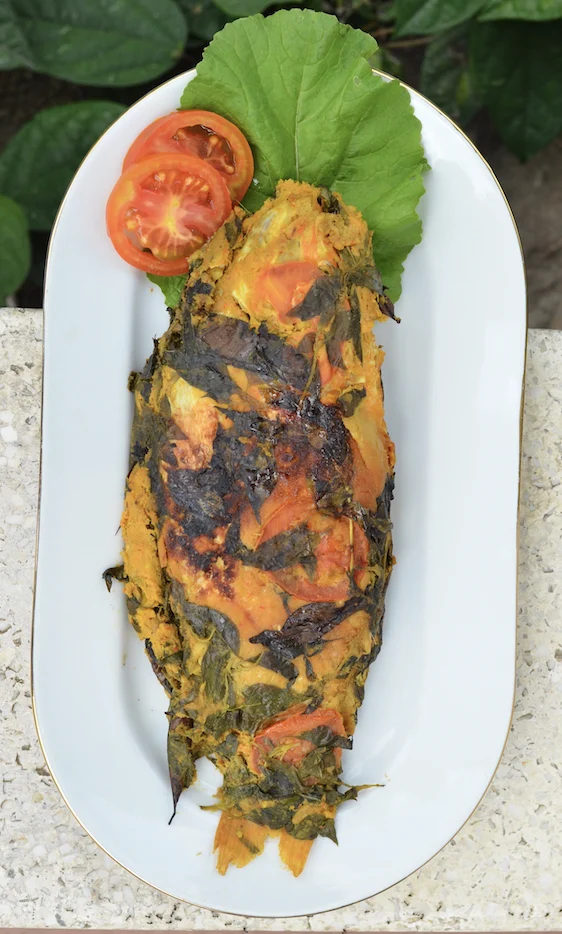

This guide aims to demystify the process of creating this remarkable dish. We will delve into the intricacies of fermenting durian to create authentic Tempoyak, explore the best seafood pairings, and provide step-by-step instructions for preparing a delicious Seafood Tempoyak Ikan Mas that will impress even the most discerning palates.
At its core, Tempoyak is a condiment or flavoring agent made from durian. The process involves allowing ripe durian flesh to ferment naturally over a period of several days to weeks. During fermentation, natural yeasts and bacteria break down the sugars in the durian, creating a distinctive tangy, slightly alcoholic, and umami-rich profile. The pungent smell, often associated with durian itself, becomes more pronounced during this process.
The quality of the durian used is paramount. Opt for ripe, sweet durian with a creamy texture. Overripe durian can become mushy and difficult to handle, while underripe durian may not ferment properly and can result in an unpleasant taste. Seedless durian is often preferred for ease of preparation, though durian with seeds can also be used.
To begin the fermentation process, the durian flesh is typically mashed or pureed. Some recipes call for adding a pinch of salt to aid in preservation and to control the fermentation rate. The mashed durian is then placed in a clean, airtight container. Traditionally, banana leaves are used to line the container and wrap the durian, providing a natural environment for fermentation and imparting a subtle flavor.
The container is then sealed and left to ferment at room temperature. The duration of fermentation can vary depending on desired taste and texture. A shorter fermentation period (3-7 days) will yield a milder, tangier Tempoyak, while a longer period (10-20 days or more) will result in a more intense, pungent, and complex flavor profile. It is crucial to check the Tempoyak periodically, ensuring it is developing the characteristic aroma and taste without spoilage.
Proper storage is key. Once the Tempoyak has reached the desired level of fermentation, it should be stored in the refrigerator to slow down the fermentation process. This will allow it to be kept for several weeks, or even months, maintaining its unique flavor.
Now, let’s turn our attention to the star of the dish: Ikan Mas. Also known as goldfish or carp, Ikan Mas is a freshwater fish prized for its firm, white flesh and slightly sweet flavor. It holds up well to the robust taste of Tempoyak, making it an ideal pairing.
When selecting Ikan Mas, freshness is non-negotiable. Look for fish with clear, bright eyes, firm flesh that springs back when pressed, and gills that are bright red. The fish should have a clean, oceanic smell, not a strong, unpleasant odor.
Ikan Mas can be prepared in various ways for this dish. Common methods include steaming, frying until crispy, or grilling. Each method imparts a different texture and flavor that complements the Tempoyak sauce beautifully.
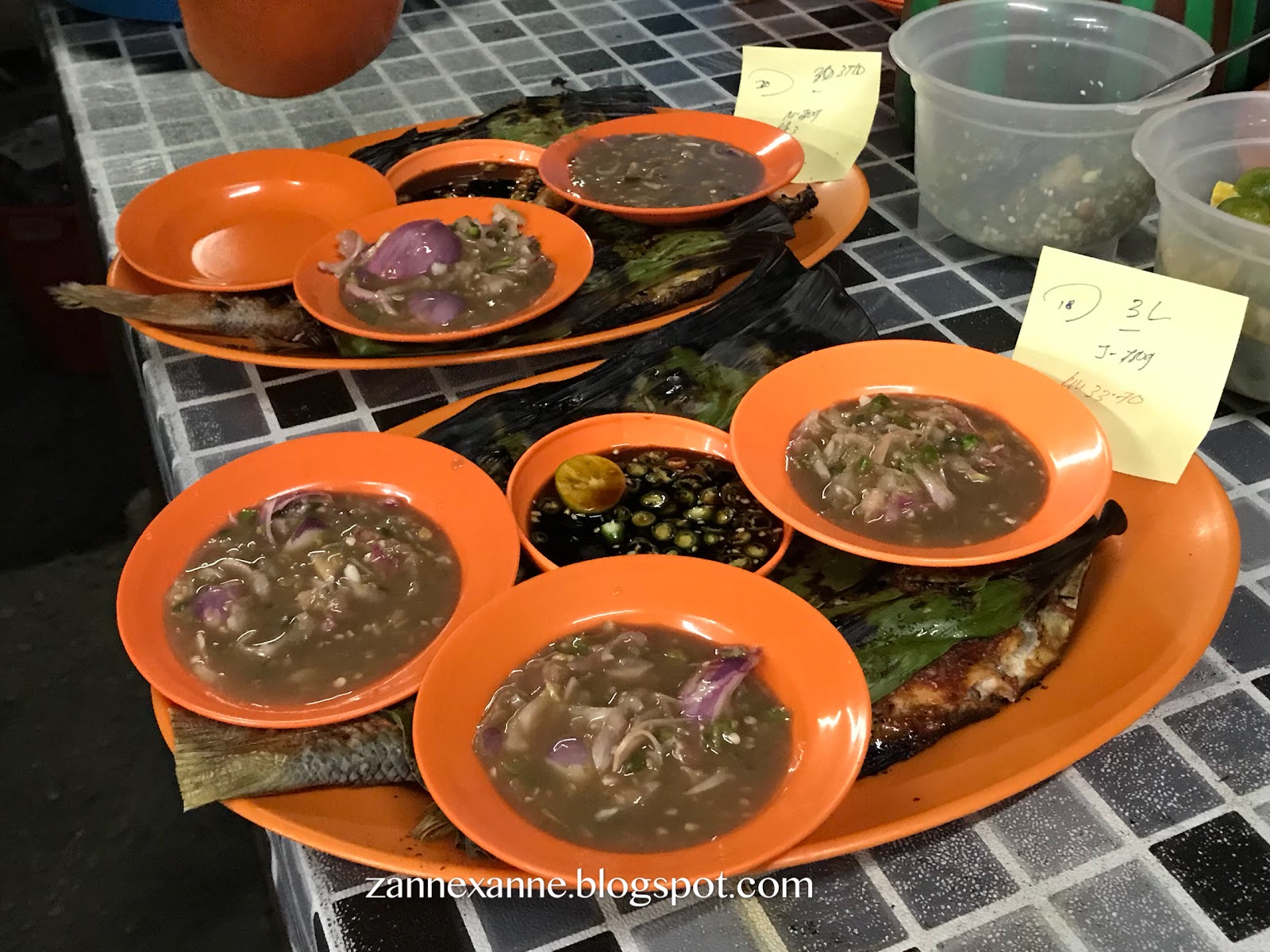
Steaming the fish allows its natural sweetness to shine through and keeps the flesh moist, which pairs wonderfully with the rich Tempoyak. Frying the fish until golden and crispy provides a delightful textural contrast to the soft sauce. Grilling imparts a smoky flavor that can add another layer of complexity to the dish.
The preparation of the Seafood Tempoyak Ikan Mas dish itself is where the magic truly happens. The Tempoyak paste is typically sautéed with aromatics to mellow its pungency and unlock its full flavor potential.
Common aromatics used include shallots, garlic, chilies, and sometimes ginger. These ingredients are finely chopped or pounded and then stir-fried in oil until fragrant. This step is crucial for building a complex flavor base.
The fermented Tempoyak paste is then added to the sautéed aromatics. It is important to cook the Tempoyak thoroughly, stirring constantly, to develop its flavors and reduce its raw, fermented taste. This process can take several minutes.
To balance the intense flavors of the Tempoyak and the fish, a touch of sweetness and acidity is often incorporated. Sugar (palm sugar is often preferred for its caramel notes) and lime juice or tamarind paste are common additions.
The consistency of the Tempoyak sauce can be adjusted with a little water or coconut milk, depending on preference. Some prefer a thicker sauce that coats the fish, while others enjoy a more liquid consistency.
The prepared Ikan Mas is then gently mixed with the cooked Tempoyak sauce. The goal is to coat the fish evenly, allowing the flavors to meld without breaking apart the delicate fish.
Garnishes play a vital role in enhancing both the visual appeal and the flavor profile of Seafood Tempoyak Ikan Mas. Fresh herbs like cilantro or Vietnamese mint (daun kesum) add a burst of freshness. Sliced chilies provide an extra kick of heat and color.
Serving suggestions are as varied as the regional interpretations of this dish. It is commonly served hot with steamed white rice, which acts as a perfect canvas to absorb the rich, complex flavors of the Tempoyak sauce.
Some variations might include adding other seafood elements, such as prawns, squid, or mussels, to create a more elaborate seafood medley. However, the classic preparation often focuses on the interplay between Tempoyak and Ikan Mas.
For those new to Tempoyak, it is advisable to start with a smaller amount of the fermented paste. The flavor can be quite intense, and gradually increasing the quantity allows the palate to adjust.
The fermentation process can be influenced by ambient temperature and humidity. In warmer climates, fermentation might occur faster. It’s essential to monitor the process closely.
When making Tempoyak from scratch, ensure your durian is fresh and ripe. Avoid any durian that shows signs of mold or off-putting smells beyond the characteristic durian aroma.
The choice of chilies can significantly impact the heat level. For a milder dish, use fewer chilies or opt for varieties with lower Scoville ratings. For a spicier experience, incorporate bird’s eye chilies.
The art of balancing the sweet, sour, salty, and spicy elements is what elevates Seafood Tempoyak Ikan Mas from a simple meal to a culinary masterpiece. Each component must be carefully considered.
Regional variations exist, with different communities adding their unique twists. Some might incorporate turmeric for color and earthiness, while others might use lemongrass for a fragrant citrus note.
The texture of the fish is also important. Overcooking the Ikan Mas will result in dry, unappealing fish. Aim for perfectly cooked fish that is moist and flaky.
For those who find making Tempoyak from scratch daunting, pre-made Tempoyak paste is available in many Asian markets. However, the satisfaction of creating it yourself is unparalleled.
When using pre-made Tempoyak, taste it first to gauge its intensity and adjust the seasoning of your dish accordingly.
The aroma of the dish as it cooks is truly captivating. The pungent notes of Tempoyak mingle with the savory aromatics and the subtle sweetness of the fish, creating an intoxicating olfactory experience.
Seafood Tempoyak Ikan Mas is more than just a dish; it’s a culinary adventure that explores the depths of Southeast Asian flavors. It celebrates the unique properties of fermented durian and the delicate taste of freshwater fish.
The process requires patience, especially the fermentation of the durian. However, the reward is a dish that is unlike any other, offering a symphony of complex flavors and aromas.
Experimentation is encouraged. Once you have mastered the basic recipe, feel free to adjust the spice levels, sweetness, and acidity to suit your personal preferences. You might even discover new flavor combinations.
This dish is a testament to the ingenuity of traditional cooking methods and the ability of simple ingredients to create extraordinary culinary experiences. Enjoy the journey of creating and savoring Seafood Tempoyak Ikan Mas!
The nutritional profile of this dish is also noteworthy. Durian, while high in calories and sugar, is also a good source of vitamins and minerals. Ikan Mas provides lean protein and essential fatty acids. The accompanying aromatics offer antioxidants and phytonutrients.
Consider the type of oil used for stir-frying. A neutral-flavored oil like vegetable or canola oil is generally recommended to avoid overpowering the delicate flavors of the Tempoyak and fish.
The final presentation can be elevated with a sprinkle of toasted sesame seeds or a drizzle of chili oil for those who enjoy an extra layer of flavor and texture.
This comprehensive guide provides the foundational knowledge to create an authentic and delicious Seafood Tempoyak Ikan Mas. With practice and experimentation, you’ll be able to perfect this unique and cherished dish.