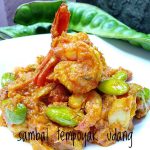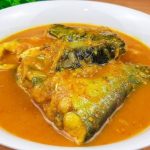
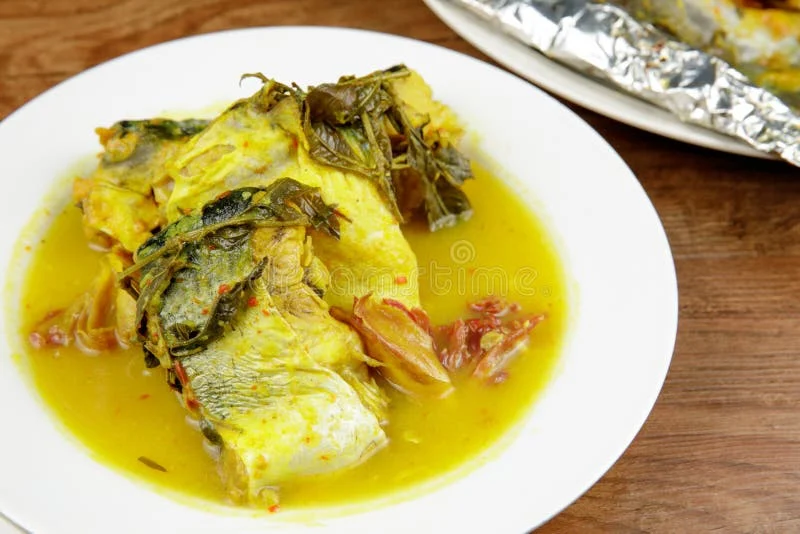

The preparation of Tempoyak Fish Gulai is more than just cooking; it’s an art form that involves balancing the assertive character of tempoyak with aromatic spices, creamy coconut milk, and the delicate flesh of fish. The result is a rich, luscious curry that is both comforting and exhilarating, a true reflection of the diverse and vibrant Malaysian palate. This dish is often served with steamed white rice, its neutral grains acting as the perfect canvas to absorb the intense flavors of the gulai.
Beyond tempoyak, the spice blend forms the soul of the gulai. A typical base includes shallots, garlic, ginger, galangal, turmeric, and chilies. These aromatics are usually pounded or blended into a paste, then sautéed until fragrant. The specific types and quantities of chilies can be adjusted to control the heat level, ranging from mild and aromatic to fiery and intense. Dried chilies, soaked and blended, often provide a deeper, richer color and flavor.
Coconut milk is indispensable for achieving the signature creamy texture and richness of the gulai. Full-fat coconut milk is preferred to ensure a luscious mouthfeel and to mellow the sharpness of the tempoyak and spices. The coconut milk is simmered gently, allowing the flavors to meld and the sauce to thicken without curdling.
The choice of fish is also important. While many types of fish can be used, firm-fleshed varieties are generally recommended as they hold their shape well during the simmering process. Common choices include mackerel (ikan kembung), snapper (ikan jenahak), sea bass (ikan siakap), or even catfish (ikan keli). The freshness of the fish is paramount to ensure a clean, oceanic flavor that complements the complex curry.
Preparing the tempoyak itself is a process that requires patience. Ripe durian flesh is mashed and mixed with a generous amount of salt. It is then placed in a clean, airtight container and left to ferment at room temperature for about 3 to 7 days, depending on the desired level of fermentation. Some prefer a shorter fermentation for a milder tang, while others let it ferment longer for a more pronounced sourness. It’s essential to check on it periodically and ensure it’s developing the right aroma, not an off-putting one.
Let’s delve into the step-by-step process of creating this magnificent dish. Begin by preparing the spice paste. In a blender or mortar and pestle, combine chopped shallots, garlic cloves, fresh ginger, galangal, fresh turmeric (or powder), and dried chilies (soaked in hot water to soften). Blend or pound until a smooth paste is formed. The consistency should be thick but pourable.
Next, sauté the spice paste. Heat a generous amount of cooking oil in a pot or wok over medium heat. Add the prepared spice paste and sauté, stirring constantly, until it is deeply fragrant and the oil begins to separate from the paste. This crucial step, known as ‘pecah minyak’ (breaking the oil), ensures that the raw spice flavors are cooked out and the paste develops a rich, caramelized depth.
Once the spice paste is well-cooked, add the tempoyak to the pot. Stir it into the paste and continue to cook for another few minutes. This allows the tempoyak to heat through and meld with the spices, further developing its complex flavor profile. Be prepared for the distinctive aroma of durian to fill your kitchen – a scent that is loved by many and perhaps a challenge for some.
Now, it’s time to introduce the coconut milk. Pour in the thick coconut milk, stirring continuously to combine it with the spice and tempoyak mixture. Bring the mixture to a gentle simmer. Avoid boiling vigorously, as this can cause the coconut milk to split and affect the texture of the gulai.
Add your chosen fish pieces to the simmering curry. Gently submerge them in the liquid, ensuring they are mostly covered. Allow the fish to cook through, which typically takes about 5-10 minutes, depending on the thickness of the pieces. Overcooking the fish will result in a dry, flaky texture.
Seasoning is a critical stage. Taste the gulai and adjust the seasoning as needed. Salt is usually added, but depending on the saltiness of the tempoyak, you might need very little. A touch of sugar can be added to balance the sourness and saltiness, enhancing the overall flavor profile. Some recipes also call for a pinch of MSG for an extra umami boost, though this is optional.
For added texture and flavor, some cooks incorporate ingredients like pineapple chunks or long beans. Pineapple adds a subtle sweetness and tang that complements the tempoyak, while long beans provide a pleasant crunch. These are typically added towards the end of the cooking process to retain their texture.
The final step is to let the flavors meld. Once the fish is cooked and the seasoning is adjusted, let the gulai simmer gently for a few more minutes. This allows all the ingredients to harmonize, creating a rich and cohesive dish. The sauce should have thickened to a luscious consistency.
Serving Tempoyak Fish Gulai is an experience in itself. Ladle the hot gulai over fluffy steamed white rice. The rice acts as a perfect neutral base, soaking up the flavorful curry. It is often accompanied by a side of fresh cucumber slices, raw onions, or a simple sambal to provide a refreshing contrast.
Variations abound, reflecting regional preferences and individual tastes. Some families prefer a spicier version, increasing the chili content, while others opt for a milder, more aromatic profile. The type of fish used can also significantly alter the dish. For instance, using fattier fish like mackerel can add another layer of richness to the gulai.
Another common variation involves adding kaffir lime leaves or lemongrass to the spice paste. These aromatics impart a citrusy fragrance that cuts through the richness of the coconut milk and the pungency of the tempoyak, adding a layer of freshness.
For those who enjoy a bit of texture, adding finely chopped turmeric leaves or daun kesum (Vietnamese mint) towards the end of cooking can provide a pleasant herbaceous note and visual appeal.
The preparation of Tempoyak Fish Gulai is a rewarding culinary adventure. It requires attention to detail, an understanding of flavor profiles, and a willingness to embrace the unique characteristics of fermented durian. The result is a dish that is not only delicious but also a cultural icon.
Tips for success include using fresh, high-quality ingredients, especially the fish and the tempoyak. Don’t rush the ‘pecah minyak’ stage; patient sautéing of the spice paste is key to developing deep flavors. Always taste and adjust seasoning before serving.
If you find the aroma of fresh tempoyak overpowering, consider using tempoyak that has been fermented for a slightly longer period, as this can mellow the scent while retaining its characteristic tang. Alternatively, start with a smaller amount of tempoyak and gradually increase it to your preference.
For a vegetarian or vegan version, one could experiment with firm tofu or tempeh as a substitute for fish, and ensure that no animal products are used in the spice paste or for sautéing. The richness of the coconut milk and the complexity of the spices would still create a delightful dish.
The dish is best enjoyed fresh, but leftovers can be stored in the refrigerator and reheated. The flavors often deepen and meld further overnight, making it a great make-ahead meal.
Tempoyak Fish Gulai is a testament to Malaysian culinary diversity. It showcases how humble ingredients, through skillful preparation and a deep understanding of flavor, can be transformed into something extraordinary. It’s a dish that evokes memories, brings families together, and offers a true taste of Malaysian heritage.
The unique flavor profile of tempoyak is an acquired taste for some, but for those who appreciate its complex blend of sour, savory, and umami notes, it is an unparalleled culinary delight. It stands apart from other fish curries, offering a distinct experience that is both challenging and immensely satisfying.
The art of making gulai lies in the slow simmering and the careful balance of spices. The coconut milk provides a creamy base that smooths out the sharp edges of the fermented durian and the chilies, creating a harmonious and deeply flavorful sauce.
Consider the texture of your fish. Flaky fish like tilapia might disintegrate too easily. Opt for sturdier fish that can withstand the simmering process and retain their form, ensuring each bite offers a satisfying chew.
When sourcing tempoyak, look for reputable suppliers or consider making your own if you have access to good quality durian. The fermentation process is key to unlocking its unique flavor, so ensuring the tempoyak is properly prepared is vital for the success of your gulai.
The aroma of the dish as it cooks is intoxicating. The initial pungency of the tempoyak gradually transforms as it melds with the aromatic spices and creamy coconut milk, creating a complex bouquet that promises a delicious meal.
Serving this dish with a variety of accompaniments can elevate the dining experience. Beyond plain rice, consider serving it with ‘nasi lemak’ for an extra layer of coconutty richness, or with ‘roti canai’ for a delightful textural contrast.
Tempoyak Fish Gulai is more than just a recipe; it’s an invitation to explore the depths of Malaysian cuisine. It’s a dish that tells a story of tradition, resourcefulness, and the vibrant tapestry of flavors that define this beautiful country.