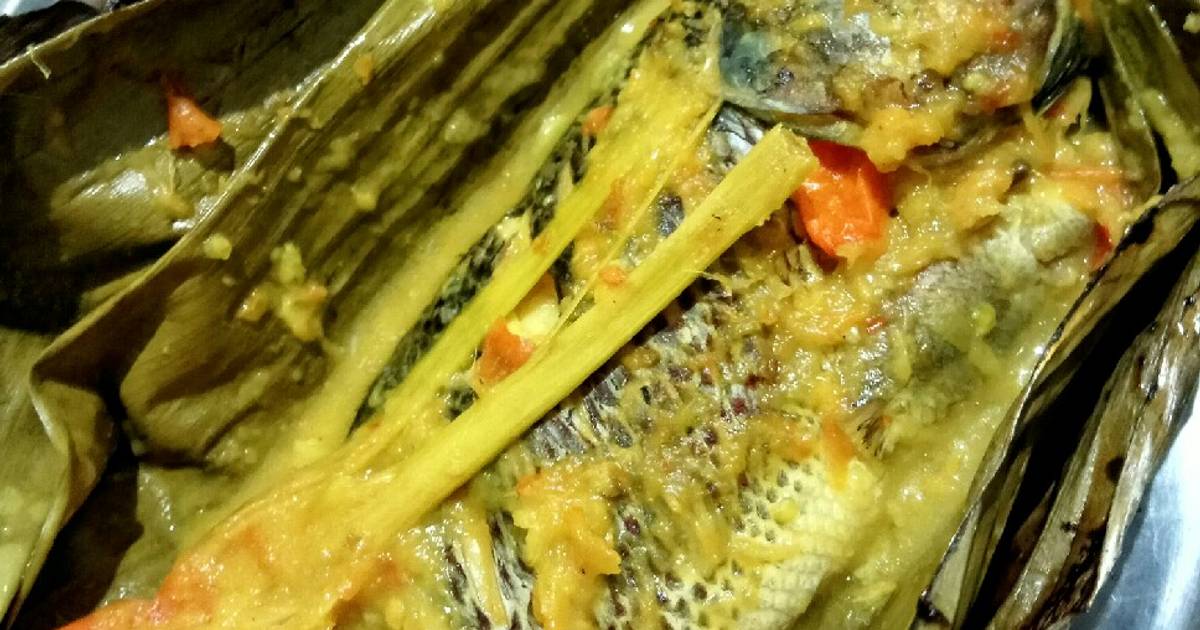
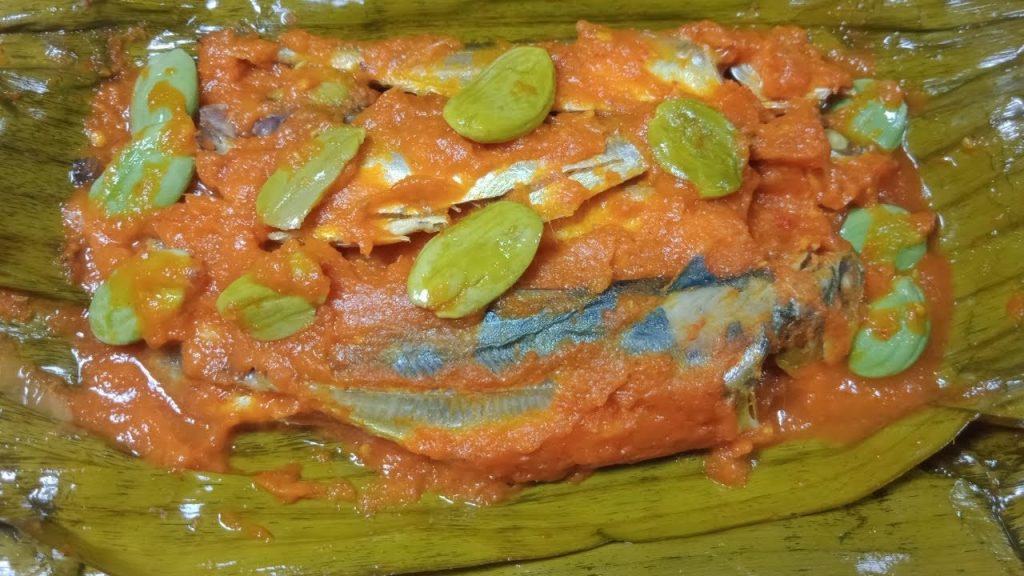

The soul of Pepes Ikan Tempoyak lies in the tempoyak itself. This pungent paste, made from fermented durian fruit, is a polarizing ingredient. Some find its strong aroma challenging, while others adore its complex, tangy, and slightly sweet profile. The fermentation process, typically involving salt and time, mellows the durian’s initial overpowering sweetness into a sophisticated umami-rich condiment that is indispensable to this dish.
Choosing the right fish is crucial for a successful Pepes Ikan Tempoyak. While various freshwater fish can be used, certain varieties lend themselves better to the robust flavors of the dish. Fish with a firm texture that can withstand the steaming process without disintegrating are ideal. Popular choices include Gurami (Gourami), Patin (Pangasius), Nila (Tilapia), and Lele (Catfish). The natural sweetness and oiliness of these fish complement the spicy and tangy notes of the tempoyak and spices.
The preparation of the spice paste, or ‘bumbu’, is where the magic truly begins. A well-balanced bumbu is the foundation of any good Indonesian dish, and Pepes Ikan Tempoyak is no exception. The core ingredients typically include shallots, garlic, chilies (both red and bird’s eye for heat), ginger, turmeric, galangal, lemongrass, and candlenuts (kemiri). These aromatics are usually ground into a fine paste, often using a mortar and pestle for the best texture and flavor infusion.
Beyond the core aromatics, other flavor enhancers are often added to the bumbu. Coriander seeds, toasted for deeper flavor, and shrimp paste (terasi/belacan), provide a crucial savory depth. Some recipes might also include tamarind paste for an extra layer of tanginess or a pinch of sugar to balance the flavors. The quality and freshness of these spices significantly impact the final taste.
The star ingredient, tempoyak, needs careful consideration. If you’re making it from scratch, select ripe but firm durian. Mash the flesh, mix it with salt, and let it ferment in a sealed container for several days to a week, or until it develops the desired tangy aroma. If using store-bought tempoyak, ensure it’s from a reputable source and has a pleasant, fermented aroma, not one that is overly ammoniated or spoiled.
Preparing the banana leaves is an essential step that contributes to the authentic aroma and presentation of pepes. The leaves need to be softened to prevent them from cracking when folded. This is usually done by briefly passing them over an open flame or dipping them in boiling water. Wiping them clean afterwards removes any dust or residue, making them ready to encase the flavorful mixture.
Once the spice paste is ready and the banana leaves are prepared, it’s time to assemble the pepes. Typically, the fish is first coated with a portion of the spice paste. Then, a generous amount of the tempoyak is mixed into the remaining spice paste. This tempoyak-spice mixture is then carefully layered onto and around the fish, ensuring it is evenly distributed.
Additional flavor elements are often added to the filling. Fresh turmeric leaves, kaffir lime leaves, and lemongrass stalks are commonly incorporated to impart their distinct fragrances. Some variations might include sliced tomatoes or chilies for added texture and a burst of freshness. These additions not only enhance the flavor but also contribute to the visual appeal of the dish.
The folding technique for the banana leaves is a skill in itself. The fish and spice mixture are placed in the center of a softened banana leaf. The leaf is then folded lengthwise, creating a neat parcel. The ends are typically folded and tucked in, or secured with toothpicks or small strips of banana stalk, to prevent the filling from leaking during the steaming process.
Steaming is the primary cooking method for Pepes Ikan Tempoyak. The parcels are placed in a steamer basket over boiling water and steamed until the fish is thoroughly cooked and the flavors have melded beautifully. The duration of steaming will depend on the size and type of fish used, but typically ranges from 30 to 45 minutes. The banana leaf traps the steam and moisture, ensuring the fish remains succulent and infused with the aromatic spices.
While steaming is traditional, grilling or pan-frying the pepes parcels after steaming offers an optional, yet highly recommended, finishing touch. Grilling over charcoal imparts a smoky flavor and a slightly charred exterior to the banana leaf, adding another dimension of taste and aroma. Pan-frying in a little oil can achieve a similar effect, creating a delightful crispness.
The aroma that emanates from the steaming or grilling pepes is truly intoxicating. The combined scents of the spices, herbs, banana leaves, and the unique tang of tempoyak create an olfactory experience that builds anticipation for the delicious meal to come.
Serving Pepes Ikan Tempoyak is an event in itself. The parcels are usually served directly in their banana leaf wrappings, allowing diners to open them at the table, releasing a final burst of aroma. It is traditionally accompanied by steamed white rice, which acts as a perfect neutral canvas to appreciate the complex flavors of the pepes.
The texture of a well-made Pepes Ikan Tempoyak is a delightful interplay of soft, flaky fish and the slightly chunky, intensely flavored spice and tempoyak mixture. The banana leaf imparts a subtle, earthy note that is characteristic of this cooking method.
Variations of Pepes Ikan Tempoyak abound, reflecting the regional diversity of Indonesian cuisine. Some versions might use different types of fish, while others might adjust the spice levels or incorporate additional vegetables like long beans or eggplant into the filling.
For those who find the strong flavor of durian challenging, there are ways to moderate its impact. Using less tempoyak or ensuring it is well-fermented to achieve a more balanced tanginess can help. Alternatively, some recipes might blend the tempoyak with other ingredients like coconut milk or tomato puree to mellow its intensity.
Vegetarian or vegan versions of pepes are also possible, though they would deviate from the traditional ‘ikan’ (fish) aspect. Instead of fish, one could use firm tofu, tempeh, or a medley of vegetables like mushrooms, eggplant, and jackfruit, seasoned with the characteristic spice paste and tempoyak.
The key to a successful Pepes Ikan Tempoyak lies in the balance of flavors: the savory spices, the pungent tang of tempoyak, the heat of the chilies, and the natural sweetness of the fish. Each component plays a vital role in creating the dish’s signature profile.
Proper storage of leftover Pepes Ikan Tempoyak is important. Once cooled, it can be refrigerated for a few days. Reheating can be done by steaming or pan-frying the parcels to revive their flavors and textures.
Exploring the culinary landscape of Indonesia reveals many treasures, and Pepes Ikan Tempoyak stands out as a unique and unforgettable experience. Its distinctive taste profile, rooted in the fermented durian and aromatic spices, offers a journey for the adventurous palate.
The culinary journey of creating Pepes Ikan Tempoyak is as rewarding as enjoying it. From selecting the freshest ingredients to the intricate process of spice blending and wrapping, each step contributes to the final masterpiece.
Understanding the role of each ingredient is fundamental. The shallots and garlic provide a pungent base, ginger and galangal add warmth and aroma, turmeric lends its earthy notes and vibrant color, and chilies bring the essential heat. Lemongrass adds a citrusy fragrance, while candlenuts contribute to the paste’s richness and smooth texture.
Shrimp paste (terasi) is a non-negotiable ingredient for many traditionalists, providing a deep umami foundation that is hard to replicate. Its potent aroma mellows significantly during the cooking process, leaving behind a complex savory note.
The fermentation of durian into tempoyak is a fascinating process that transforms a fruit known for its strong personality into a culinary powerhouse. The time and conditions of fermentation dictate the final flavor, ranging from mildly tangy to intensely sour.
Banana leaves are not merely a wrapper; they are an integral part of the cooking vessel. Their natural oils and moisture release during steaming, imparting a subtle, herbaceous aroma that complements the spices and fish perfectly. The leaves also help to keep the fish moist and tender.
When assembling the pepes, consider the layering. Some prefer to place a bed of spices at the bottom of the leaf before adding the fish and tempoyak mixture, while others mix everything together. Experimentation can lead to personalized perfection.
The steaming process requires consistent heat. Ensuring your steamer is adequately filled with water and maintaining a steady boil throughout the cooking time is key to evenly cooked fish and well-infused flavors.
For those seeking an extra kick, additional bird’s eye chilies can be finely chopped and mixed into the tempoyak paste before wrapping. Adjusting the chili quantity is essential to cater to individual spice preferences.
The visual appeal of Pepes Ikan Tempoyak is undeniable. The vibrant yellow hue from the turmeric, the flecks of red from the chilies, and the dark green of the banana leaf create an attractive presentation, even before unwrapping.
Serving Pepes Ikan Tempoyak with a side of sambal terasi (shrimp paste chili sauce) or a simple acar (pickled cucumber and carrot salad) can provide a refreshing contrast to the richness of the dish.
The cultural significance of this dish cannot be overstated. It represents a harmonious blend of local ingredients and traditional cooking methods, passed down through generations, embodying the rich culinary heritage of Indonesia.
In conclusion, mastering Pepes Ikan Tempoyak is a rewarding culinary endeavor that offers a unique taste of Indonesian culture. By understanding the role of each ingredient, mastering the preparation techniques, and embracing the distinctive flavor of tempoyak, you can create a truly unforgettable dish.