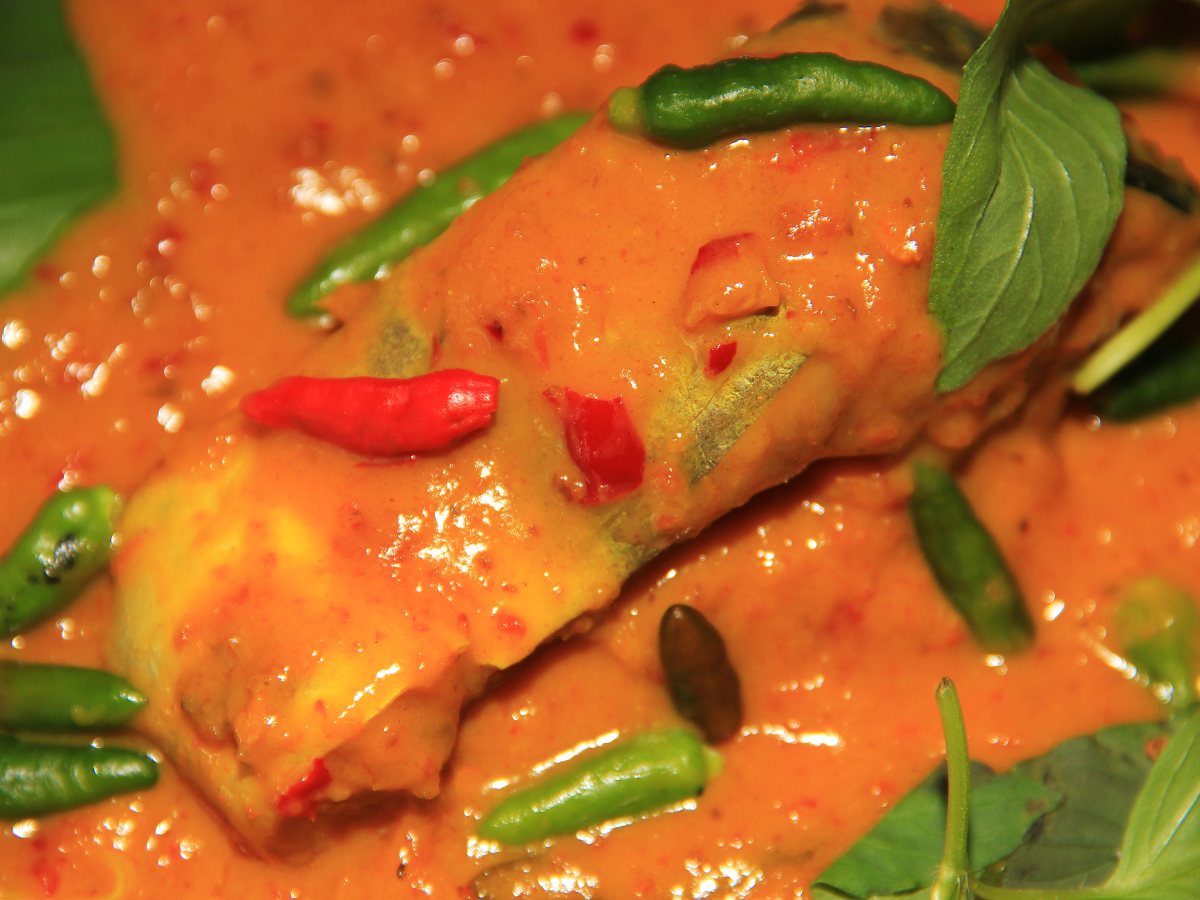
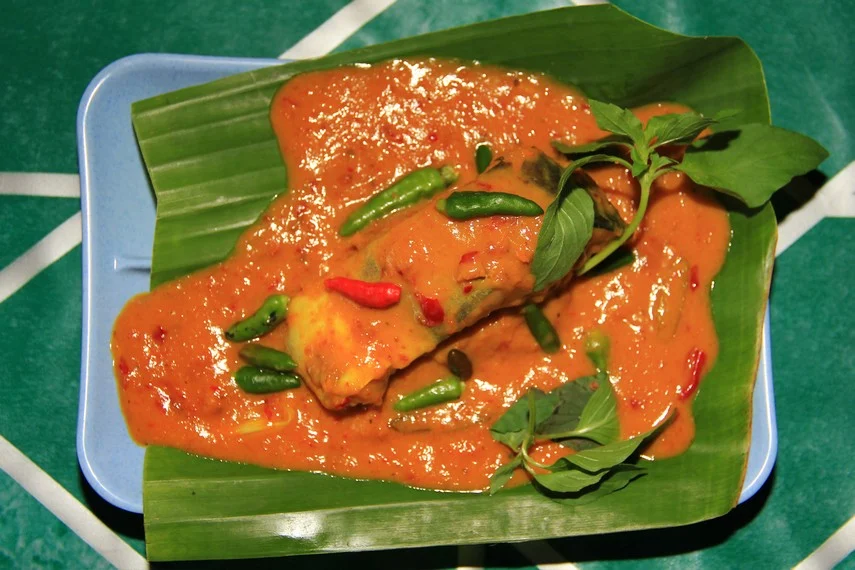

The heart of Brengkes Ikan Tempoyak lies in its two primary components: the seafood and the tempoyak. The choice of seafood is often flexible, with freshwater fish like catfish (lele), gourami (gurami), or tilapia (nila) being traditional favorites. However, the dish also lends itself beautifully to prawns, squid, or even a combination of seafood, adding a delightful oceanic dimension to the already complex flavors.
Tempoyak itself is a culinary marvel. Made from fermented durian, it possesses a potent aroma and a unique tangy, slightly alcoholic, and savory taste. The fermentation process, typically involving salting durian flesh and allowing it to ferment for several days or weeks, transforms the fruit’s sweet, creamy texture into a condiment that is both challenging and incredibly rewarding for adventurous palates. It’s this fermented base that provides the signature sourness and depth to the brengkes.
Beyond the star ingredients, a symphony of aromatic spices forms the backbone of the brengkes paste. This includes ingredients like shallots, garlic, chili peppers (ranging from mild to fiery, depending on preference), turmeric, ginger, galangal, lemongrass, and candlenuts. These are typically ground into a fine paste, releasing their vibrant aromas and flavors that complement and balance the intensity of the tempoyak.
The preparation method, steaming, is crucial. Wrapping the seasoned seafood and tempoyak mixture in banana leaves infuses the dish with a subtle, earthy aroma and ensures that the ingredients cook gently, allowing the flavors to meld harmoniously. The banana leaf also acts as a natural steaming vessel, contributing to the overall rustic charm of the dish.
To begin crafting your own Brengkes Ikan Tempoyak, the first step is ingredient selection. Opt for the freshest seafood available. If using fish, ensure it’s firm to the touch and has clear eyes. For prawns, look for bright, firm shells and a sweet smell. The quality of your seafood will directly impact the final taste of the dish.
The tempoyak is the ingredient that requires the most consideration. If you can find pre-made tempoyak at an Asian grocery store, ensure it has a pleasant, tangy aroma rather than an overwhelmingly pungent or unpleasant smell. Some prefer to make their own tempoyak, a process that requires patience and a good quality durian. The fermentation time can be adjusted to achieve a desired level of sourness and intensity.
Preparing the spice paste is a labor of love. Shallots, garlic, and chilies are the foundational aromatics. Turmeric adds a beautiful golden hue and a subtle earthy note, while ginger and galangal provide warmth and a distinct peppery kick. Lemongrass, bruised to release its oils, imparts a citrusy fragrance. Candlenuts, when ground, act as a natural thickener, giving the paste a richer consistency.
The traditional method for grinding spices involves a mortar and pestle (ulekan). This technique breaks down the ingredients effectively and releases their essential oils, resulting in a more intense flavor profile compared to using a blender. However, a food processor or blender can be used for convenience, though it might yield a slightly different texture.
Once the spice paste is ready, it’s combined with the tempoyak. This is where the magic begins to happen. The spices and the fermented durian meld together, creating a potent, fragrant mixture that is the soul of the brengkes. It’s often advisable to taste and adjust the seasoning at this stage, considering the inherent saltiness and sourness of the tempoyak.
The seafood is then gently coated in this spiced tempoyak paste. Ensure each piece of seafood is thoroughly covered, allowing the flavors to penetrate during the steaming process. For fish, you might choose to cut it into pieces or steam it whole, depending on the size and type of fish.
Banana leaves are the quintessential wrapping material. They need to be softened before use to prevent cracking. This can be done by briefly passing them over a low flame or dipping them in hot water. The leaves are then used to create individual parcels, each containing a portion of the seasoned seafood.
Folding the banana leaves requires a bit of practice. A common method is to place the filling in the center of a leaf, fold it in half, and then fold the sides inwards to create a neat, sealed packet. These packets are then secured with toothpicks or thin strips of bamboo.
Steaming is the cooking method of choice. The banana leaf parcels are arranged in a steamer basket over boiling water. The steaming time will vary depending on the type and size of the seafood used, typically ranging from 20 to 45 minutes. The goal is to cook the seafood thoroughly while allowing the flavors to infuse deeply.
The aroma that fills your kitchen as the Brengkes Ikan Tempoyak steams is simply intoxicating. It’s a complex blend of spices, the unmistakable scent of durian, and the fresh aroma of the seafood, all mingling together to promise a truly remarkable meal.
Serving Brengkes Ikan Tempoyak is usually done directly in its banana leaf parcel, maintaining the rustic presentation. It’s often accompanied by steamed white rice, which serves as the perfect neutral canvas to absorb the rich, flavorful sauces and spices from the brengkes.
The flavor profile of Brengkes Ikan Tempoyak is incredibly nuanced. You’ll experience the initial spicy kick from the chilies, followed by the tangy, sour notes of the tempoyak, which are beautifully balanced by the sweetness of the shallots and potentially a touch of added sugar. The aromatic spices provide layers of complexity, and the seafood offers its natural sweetness and texture.
For those new to tempoyak, the initial aroma can be quite challenging. However, once cooked within the brengkes, the fermented durian’s pungency mellows considerably, transforming into a deep, savory, and tangy essence that is integral to the dish’s character. It’s an acquired taste, but one that many find incredibly addictive.
Variations of Brengkes Ikan Tempoyak exist across different regions. Some might add a touch of tamarind for extra sourness, while others might incorporate belacan (shrimp paste) for an additional layer of umami. The spice blend can also be adjusted to suit individual heat preferences.
Making Brengkes Ikan Ikan Tempoyak is more than just cooking; it’s an exploration of Indonesian culinary traditions. It’s a dish that celebrates bold flavors and the resourceful use of local ingredients.
The health benefits of the ingredients are also noteworthy. Fish is a great source of protein and omega-3 fatty acids. The spices used, such as turmeric and ginger, are known for their anti-inflammatory and antioxidant properties. While tempoyak is an acquired taste, it is also a source of probiotics due to the fermentation process.
When it comes to pairing, besides steamed rice, Brengkes Ikan Tempoyak is also delicious with other simple Indonesian side dishes like stir-fried water spinach (kangkung tumis) or a fresh cucumber salad. The goal is to complement, not overpower, the complex flavors of the brengkes.
For a successful Brengkes Ikan Tempoyak, ensure all your spices are fresh and fragrant. The quality of the chili peppers will significantly influence the heat level, so choose wisely based on your spice tolerance. If you find the tempoyak too strong, you can dilute its intensity by adding more of the spice paste or a touch of coconut milk (though this is less traditional).
The texture of the spice paste is also important. It should be relatively fine but not watery. If using a blender, pulse it rather than running it continuously to achieve a better texture. The candlenuts help create a smooth, emulsified paste.
When folding the banana leaves, ensure they are sealed tightly to prevent the flavorful liquid from escaping during steaming. This is crucial for maintaining the moisture and intensity of the dish. Any leaks will result in a drier brengkes and a less rich sauce.
The steaming process should be done over medium-high heat to ensure a consistent supply of steam. Avoid opening the steamer lid too frequently, as this can cause a drop in temperature and prolong the cooking time. Patience is key to allowing the flavors to fully develop.
Leftovers, if any, can be stored in the refrigerator and gently reheated. The flavors often deepen and meld even further overnight, making it a delicious dish to enjoy the next day. However, it’s best consumed fresh to appreciate the peak aroma and texture.
Brengkes Ikan Tempoyak is a dish that challenges conventions and rewards the adventurous eater. It’s a culinary journey that takes you through the vibrant heart of Indonesian cuisine, offering a taste of tradition, innovation, and unforgettable flavor.
Consider experimenting with different types of seafood. Shrimp, squid, or even firm white fish like snapper can be excellent choices. Each will bring its unique texture and subtle flavor to the dish, interacting differently with the tempoyak and spice blend.
If you are sensitive to the strong aroma of durian, start with a smaller amount of tempoyak in your spice paste. You can gradually increase it as you become more accustomed to its unique character. The goal is to find a balance that is enjoyable for your palate.
The use of banana leaves is not merely for aesthetics; it plays a vital role in the cooking process, imparting a subtle woody aroma that complements the spices and seafood. If banana leaves are unavailable, parchment paper can be used as a substitute, though the authentic aroma will be missed.
Mastering Brengkes Ikan Tempoyak is a rewarding culinary achievement. It requires attention to detail, an appreciation for bold flavors, and a willingness to explore the unique ingredients that define Indonesian gastronomy. The journey from raw ingredients to the final steamed parcel is a testament to the beauty and diversity of home cooking.