
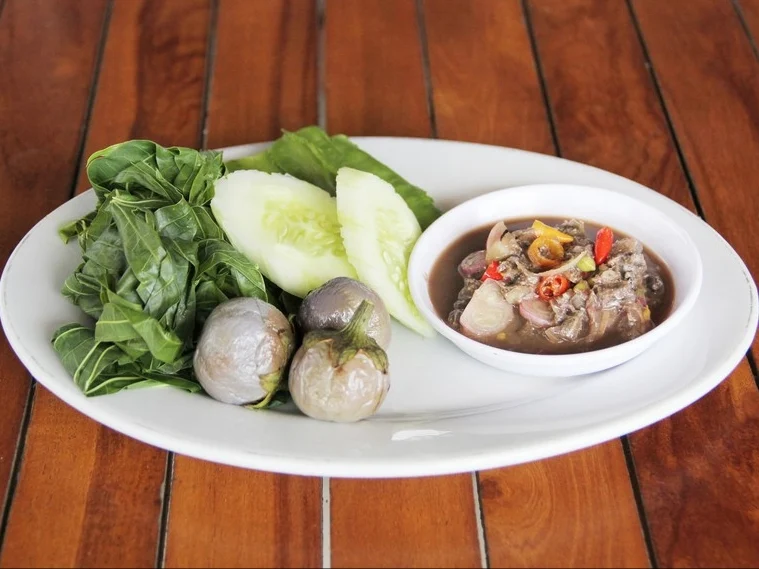

Rusip is not merely a sauce; it is a testament to the ingenious preservation techniques passed down through generations. This savory, pungent, and subtly sweet-sour relish is crafted from small fish, typically anchovies (ikan teri), undergoing a careful fermentation process with salt and palm sugar. The result is a complex flavor profile that tantalizes the palate and adds an unmistakable Bangka essence to any meal.
For many, Rusip evokes a sense of nostalgia, a taste of home, and a connection to the island’s bountiful seas. While readily available in Bangka, the true appreciation for Rusip often comes from understanding its creation. This comprehensive guide aims to demystify the process, empowering you to craft your own authentic Rusip, bringing a piece of Bangka’s culinary soul into your kitchen.
Making your own Rusip offers several advantages beyond mere cost savings. It provides complete control over the quality of ingredients, allowing you to select the freshest fish and finest salt and sugar. Furthermore, it offers the immense satisfaction of engaging in a traditional craft, understanding the science of fermentation, and ultimately, savoring a condiment made with your own hands, tailored to your preferred taste.
Before embarking on this culinary journey, it’s crucial to understand the fundamental components that give Rusip its characteristic charm. The success of your Rusip hinges on the quality and balance of these core ingredients.
The Fish: The Heart of Rusip
The primary ingredient for Rusip is small fish, most commonly ikan teri (anchovies). While fresh anchovies are ideal, very small, fresh sardines or other tiny, oily fish can also be used. The key is freshness and size. Look for fish that are firm, have clear eyes, and smell of the sea, not overly fishy. If using frozen fish, ensure it has been thawed properly and is still in excellent condition.
The small size of the fish is important because it allows for more surface area interaction with the salt and sugar, facilitating a more efficient and even fermentation. Larger fish would require filleting and cutting into smaller pieces, which can alter the texture and fermentation dynamics.
The Salt: More Than Just a Preservative
Salt plays a multifaceted role in Rusip production. It is the primary preservative, inhibiting the growth of undesirable bacteria while encouraging beneficial lactic acid bacteria. It also draws out moisture from the fish, firms its flesh, and contributes significantly to the overall flavor. The choice of salt is critical: non-iodized sea salt or rock salt is highly recommended.
Iodized salt, often used for table salt, can interfere with the fermentation process, sometimes imparting an off-flavor or inhibiting the desired microbial activity. Opt for coarse-grained sea salt, as it dissolves slower and helps in a more controlled osmotic process, drawing out moisture gradually.
Palm Sugar (Gula Aren): The Sweet Counterpoint
Palm sugar, or gula aren in Indonesian, is the third pillar of Rusip. Unlike refined white sugar, palm sugar possesses a caramel-like, earthy sweetness that adds depth and complexity to the Rusip. It also serves as a nutrient source for the beneficial bacteria during fermentation, contributing to the development of lactic acid and other flavorful compounds.
Ensure you use authentic palm sugar, preferably in block or granular form, which is rich in molasses and natural flavors. The balance between salt and sugar is crucial; too much sugar can lead to an overly sweet product, while too little might result in a less complex flavor profile and slower fermentation.
Optional Enhancements: Adding Layers of Flavor
- Toasted Rice (Beras Sangrai): Often ground into a powder, toasted rice can add a nutty aroma and a slight thickening agent. It also provides additional carbohydrates for the fermenting bacteria.
- Galangal (Lengkuas): Thinly sliced or pounded galangal can introduce a fresh, peppery, and citrusy note, balancing the richness of the fish.
- Chili (Cabai): For those who prefer a spicy kick, fresh red chilies can be added during the mixing stage.
Before you begin, gather all the necessary tools. Cleanliness is paramount in fermentation to prevent contamination and ensure a safe, successful batch of Rusip.
- Fermentation Jar: A clean, sterilized glass jar with an airtight lid is ideal. Ceramic crocks can also be used. Ensure it’s food-grade and free from cracks.
- Mixing Bowls: Large, non-reactive bowls (glass or stainless steel) for mixing ingredients.
- Spatula or Wooden Spoon: For thorough mixing. Avoid metal utensils that might react with the salt.
- Kitchen Scale: For precise measurement of ingredients, especially salt and sugar.
- Weights (Optional but Recommended): A smaller, clean glass jar filled with water or a fermentation weight to keep the fish submerged.
- Cheesecloth or Breathable Cover: If using a non-airtight lid during initial fermentation.
With your ingredients and equipment ready, let’s delve into the step-by-step process of crafting your own Bangka Rusip.
Step 1: Preparing the Fish Meticulously
Begin by thoroughly cleaning the fish. Gently rinse the anchovies under cold running water to remove any sand, scales, or debris. For very fresh anchovies, some prefer not to gut them, as the tiny guts contribute to the umami. However, if the fish are slightly larger or if you prefer a cleaner taste, you can carefully remove the innards.
The most critical part of fish preparation is drying. Lay the cleaned fish out on a clean kitchen towel or paper towels. Gently pat them dry. For optimal results, air-dry them for several hours or even overnight in a cool, well-ventilated area, or use a dehydrator on a very low setting. The goal is to remove as much surface moisture as possible, as excess water can dilute the salt concentration and encourage unwanted microbial growth.
Step 2: The Perfect Blend of Flavors
Once the fish are thoroughly dry, transfer them to a large mixing bowl. Now, it’s time to add the salt and palm sugar. The ratio is crucial for proper fermentation and flavor development. A common starting ratio is approximately 15-20% salt and 5-10% palm sugar by weight of the fish. For example, if you have 1 kg of fish, you would use 150-200g of salt and 50-100g of palm sugar.
Sprinkle the salt and palm sugar over the fish. If using block palm sugar, finely chop or grate it first. If adding toasted rice powder, galangal, or chili, incorporate them now. Using clean hands (or food-grade gloves), thoroughly mix all the ingredients. Gently but firmly massage the mixture, ensuring every piece of fish is evenly coated with the salt and sugar. This process also helps to break down the fish slightly and release its natural juices.
Step 3: Packing for Fermentation
Carefully transfer the fish mixture into your sterilized fermentation jar. Pack it down firmly, pressing out any air pockets. Air is the enemy of anaerobic fermentation, so compacting the fish helps create the ideal environment. As you press, liquid (brine) will start to form and rise above the fish.
If the liquid doesn’t fully cover the fish after packing, you can prepare a simple brine (dissolve 1 tablespoon of non-iodized salt in 1 cup of boiled and cooled water) and add just enough to submerge the fish. Place a fermentation weight or a smaller, clean jar filled with water on top of the fish to keep them submerged under the brine. This prevents exposure to air and potential spoilage.
Seal the jar with an airtight lid. If using a traditional crock, ensure it’s covered properly to prevent contaminants from entering.
Step 4: The Waiting Game: Fermentation and Transformation
Place the sealed jar in a cool, dark place, away from direct sunlight and extreme temperature fluctuations. An ideal fermentation temperature is typically between 20-28°C (68-82°F). The fermentation period for Rusip can vary significantly, usually ranging from two weeks to two months, depending on the temperature, fish type, and desired flavor intensity.
During this time, beneficial bacteria will begin to break down the fish proteins and sugars, producing lactic acid, enzymes, and a host of aromatic compounds. You might observe some bubbling or slight pressure build-up in the jar, which is normal. Periodically, you can ‘burp’ the jar by slightly opening the lid to release any accumulated gases.
- Aroma: The strong, fresh fish smell will transform into a more complex, savory, and pungent aroma, reminiscent of aged cheese or soy sauce. It should be pleasant, not putrid.
- Color Change: The fish will darken slightly, taking on a reddish-brown hue.
- Texture: The fish will soften considerably, becoming tender and almost paste-like.
- Taste: After about two weeks, you can carefully taste a small amount. It should be savory, salty, slightly sweet, and tangy, with a distinct umami depth.
Fermentation is a living process, and sometimes things can go awry. Knowing how to identify and address common issues is key to success.
- Mold Growth: If you see fuzzy, colored mold (green, black, pink) on the surface, especially above the brine line, it’s a sign of contamination, and the batch should be discarded. White film (kahm yeast) is usually harmless but can be scraped off. Ensure the fish remains submerged to prevent mold.
- Off-Smells: A truly rotten or putrid smell indicates spoilage, likely due to insufficient salt, improper cleaning, or exposure to air. Discard immediately. Rusip should have a strong but appetizing aroma.
- Lack of Activity: If no bubbling or changes are observed after a week, the temperature might be too low, or the salt concentration might be too high, inhibiting bacterial activity.
- Sterilization is Non-Negotiable: Always sterilize your jars and utensils before use. Boiling water or a food-grade sanitizer can be used.
- Precision in Measurement: While traditional recipes often rely on intuition, precise measurement of salt and sugar, especially for beginners, can significantly improve consistency and reduce the risk of spoilage.
- Quality Ingredients: Never compromise on the freshness of your fish or the quality of your salt and palm sugar.
- Patience, Patience, Patience: Fermentation cannot be rushed. Allow the Rusip to ferment for the recommended duration to develop its full flavor potential.
- Monitor and Observe: Regularly check your Rusip during fermentation. Observe its appearance, smell, and any changes.
- Maintain Submergence: Always ensure the fish remains fully submerged under the brine to prevent exposure to oxygen, which can lead to mold and spoilage.
Once your Rusip has reached its desired fermentation level, it’s ready to be enjoyed. Rusip is incredibly versatile and can elevate a simple meal into an exotic culinary experience.
Traditional Serving: Lalapan and Rice
The most classic way to enjoy Rusip is as an accompaniment to warm steamed rice and fresh lalapan (an assortment of raw or lightly blanched vegetables like cucumber, long beans, cabbage, and basil). The pungent, savory Rusip perfectly complements the freshness of the vegetables and the neutrality of the rice, creating a balanced and satisfying meal.
Rusip can be blended with fresh chilies, lime juice, and a touch of shallots to create a vibrant sambal rusip, a spicy and tangy dipping sauce perfect for grilled fish, fried chicken, or even crackers.
While primarily a condiment, Rusip can also be incorporated into cooking. A small amount can be added to stir-fries, curries, or even marinades for seafood to impart a unique umami depth and a hint of Bangka flavor. Experiment with small quantities to discover its potential.
Beyond its delightful taste, fermented foods like Rusip offer potential health benefits. The fermentation process introduces beneficial bacteria (probiotics) that can support gut health and aid in digestion. Furthermore, the fish provides essential proteins and minerals, making Rusip a flavorful and potentially nutritious addition to your diet.
Once your Rusip is fermented to your liking, transfer it to smaller, clean, airtight jars. Store it in the refrigerator to significantly slow down the fermentation process and extend its shelf life. Properly stored Rusip can last for several months in the refrigerator, with its flavor continuing to evolve subtly over time.
Making Rusip is more than just following a recipe; it’s an immersive experience that connects you with the rich culinary traditions of Bangka Belitung. It’s a journey of patience, precision, and ultimately, immense reward. The unique aroma and unparalleled taste of homemade Rusip will not only tantalize your taste buds but also offer a profound appreciation for the art of traditional food preservation.
So, gather your ingredients, prepare your tools, and embark on this fascinating culinary adventure. Crafting your own Rusip is a deeply satisfying endeavor that promises to bring the authentic, vibrant flavors of Bangka right into your home kitchen. Selamat mencoba!