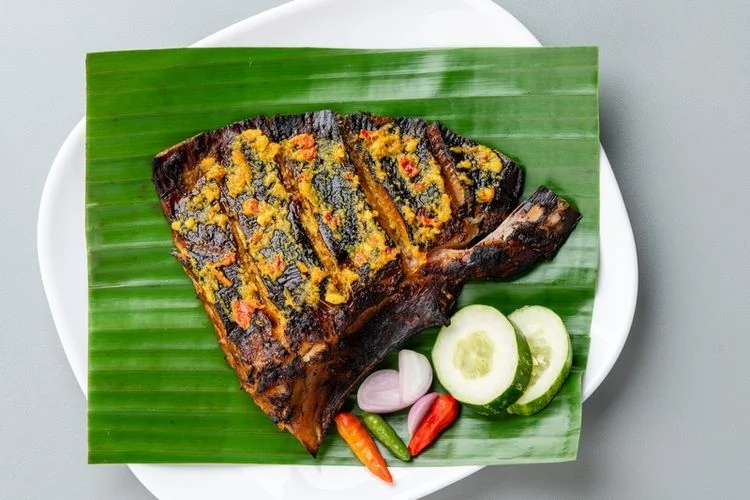

The allure of Sate Ikan Pari Bakar Bangka lies in its masterful blend of smoky char, succulent stingray meat, and a medley of aromatic spices. Unlike typical chicken or beef satay, this version utilizes stingray, a fish with a distinctive texture and flavor profile. When grilled to perfection, the stingray absorbs the smoky essence of the charcoal, creating a truly unforgettable culinary sensation.
This article aims to provide a comprehensive guide to recreating the authentic Resep Seafood Sate Ikan Pari Bakar Bangka in your own kitchen. We’ll delve into the history of the dish, explore the key ingredients, and provide step-by-step instructions to ensure your satay is a resounding success.
The origins of Sate Ikan Pari Bakar in Bangka are deeply intertwined with the island’s fishing traditions. Stingrays are abundant in the waters surrounding Bangka, making them a readily available and affordable source of protein. Over time, local cooks developed innovative ways to prepare this unique fish, eventually leading to the creation of the now-iconic satay.
Traditionally, the dish was prepared using simple, locally sourced ingredients. Fishermen would grill the stingray directly on the beach, using coconut husks as fuel to impart a smoky flavor. The satay was often served with a simple dipping sauce made from chili, shallots, and lime juice. This rustic preparation method remains a cherished part of Bangka’s culinary heritage.
The modern version of Sate Ikan Pari Bakar Bangka has evolved somewhat, incorporating more complex spice blends and cooking techniques. However, the core principles remain the same: fresh stingray, smoky grilling, and a vibrant blend of Indonesian flavors.
-
1 kg Stingray fillets, skin removed
-
8 Shallots
-
4 cloves Garlic
-
2 cm Ginger
-
2 cm Turmeric
-
1 Red chili pepper (adjust to your spice preference)
-
1 tsp Coriander seeds
-
½ tsp Cumin seeds
-
½ tsp Black peppercorns
-
2 cm Galangal
-
2 stalks Lemongrass, bruised
-
2 Lime leaves
-
1 tbsp Tamarind paste
-
2 tbsp Palm sugar
-
Salt to taste
-
Cooking oil for sauteing
-
5 Red chilies
-
3 Shallots
-
1 clove Garlic
-
1 tbsp Shrimp paste (terasi), grilled
-
1 Lime, juiced
-
Salt and sugar to taste
-
Bamboo skewers, soaked in water for at least 30 minutes
-
Charcoal grill
Step 1: Preparing the Stingray
- Wash the stingray fillets thoroughly under cold running water.
- Pat them dry with paper towels.
- Cut the fillets into bite-sized cubes, approximately 2-3 cm in size.
- Place the cubed stingray in a bowl and set aside.
Step 2: Making the Spice Paste (Bumbu)
- Combine shallots, garlic, ginger, turmeric, red chili pepper, coriander seeds, cumin seeds, and black peppercorns in a blender or food processor.
- Grind into a smooth paste. Add a little cooking oil if necessary to facilitate blending.
- Heat a tablespoon of cooking oil in a wok or large skillet over medium heat.
- Add the spice paste and sauté for 5-7 minutes, or until fragrant and the oil separates from the paste.
- Add the bruised lemongrass, lime leaves, tamarind paste, and palm sugar.
- Continue to sauté for another 2-3 minutes, stirring constantly.
- Season with salt to taste.
- Remove from heat and let cool slightly.
Step 3: Marinating the Stingray
- Pour the cooled spice paste over the cubed stingray.
- Mix well to ensure the stingray is evenly coated with the marinade.
- Cover the bowl and refrigerate for at least 2 hours, or preferably overnight. This allows the flavors to fully penetrate the stingray.
Step 4: Assembling the Satay
- Thread the marinated stingray cubes onto the soaked bamboo skewers.
- Aim for 4-5 cubes per skewer, depending on the size of the cubes.
Step 5: Grilling the Satay
- Prepare your charcoal grill. Ensure the coals are glowing evenly and covered with a thin layer of ash. This will provide consistent heat and prevent the satay from burning too quickly.
- Place the skewers on the grill, making sure not to overcrowd them.
- Grill for 3-4 minutes per side, or until the stingray is cooked through and slightly charred.
- Turn the skewers frequently to ensure even cooking and prevent burning.
- Baste the satay with any remaining marinade during the grilling process to keep it moist and flavorful.
Step 6: Making the Dipping Sauce (Sambal)
- Grind the red chilies, shallots, garlic, and grilled shrimp paste into a coarse paste using a mortar and pestle or a food processor.
- Transfer the paste to a small bowl.
- Add lime juice, salt, and sugar to taste.
- Mix well until the sugar and salt are dissolved.
- Adjust the seasoning to your preference.
Step 7: Serving the Sate Ikan Pari Bakar
-
Remove the grilled satay from the grill and arrange them on a serving platter.
-
Serve immediately with the dipping sauce (sambal).
-
Garnish with fresh lime wedges and sliced cucumber, if desired.
-
Nasi Lemak: Serve the satay with fragrant coconut rice for a complete and satisfying meal.
-
Lontong: Pair the satay with compressed rice cakes (lontong) for a traditional Indonesian experience.
-
Gado-Gado: Offer a side of Indonesian salad with peanut sauce (gado-gado) for a contrasting flavor profile.
-
Kerupuk: Serve with crispy Indonesian crackers (kerupuk) for added texture.
-
Use Fresh Stingray: The quality of the stingray is crucial to the final result. Look for stingray fillets that are firm, moist, and have a fresh, clean smell.
-
Don’t Overcook: Stingray can become tough and rubbery if overcooked. Grill it just until it’s cooked through and slightly charred.
-
Adjust the Spice Level: The spice paste can be adjusted to your preference. If you prefer a milder flavor, reduce the amount of chili pepper. For a spicier satay, add more chili or use a hotter variety.
-
Soak the Skewers: Soaking the bamboo skewers in water prevents them from burning on the grill.
-
Use Coconut Charcoal: Coconut charcoal imparts a unique smoky flavor that complements the stingray perfectly.
-
Regional Variations: While the basic recipe remains the same, there are regional variations of Sate Ikan Pari Bakar throughout Indonesia. Some versions use different spice blends or grilling techniques.
-
Festival Favorite: Sate Ikan Pari Bakar is a popular dish at festivals and celebrations in Bangka. It’s often served as a street food or at food stalls.
-
Nutritional Value: Stingray is a good source of protein, omega-3 fatty acids, and essential minerals. It’s a healthy and delicious option for seafood lovers.
-
Spicy Peanut Sauce: Instead of the traditional chili dipping sauce, try serving the satay with a spicy peanut sauce. This adds a creamy and nutty dimension to the dish.
-
Sweet Soy Glaze: Baste the satay with a sweet soy glaze during the last few minutes of grilling for a caramelized finish.
-
Herb Infusion: Add fresh herbs like cilantro or mint to the marinade for a refreshing twist.
-
Grilled Vegetables: Thread chunks of bell peppers, onions, and zucchini onto the skewers along with the stingray for a colorful and flavorful satay.
In conclusion, Resep Seafood Sate Ikan Pari Bakar Bangka is a culinary masterpiece that captures the essence of Bangka’s rich seafood heritage. With its unique blend of smoky char, succulent stingray, and aromatic spices, this dish is sure to tantalize your taste buds and transport you to the shores of Indonesia. By following this comprehensive guide, you can recreate the authentic flavors of Bangka in your own kitchen and impress your friends and family with this exquisite grilled stingray satay. So, gather your ingredients, fire up the grill, and embark on a culinary adventure that will leave you craving for more. Selamat Makan! (Enjoy your meal!)
The key to truly mastering Resep Seafood Sate Ikan Pari Bakar Bangka lies in practice and experimentation. Don’t be afraid to adjust the spice levels, try different grilling techniques, and explore various serving suggestions. The more you cook it, the better you’ll become at creating a dish that perfectly suits your taste preferences.
Furthermore, consider exploring other Bangka delicacies to complement your Sate Ikan Pari Bakar. Bangka is known for its diverse range of seafood dishes, including Gangan (a sour and spicy fish soup), Lempah Kuning (fish cooked in a turmeric-based broth), and various grilled fish preparations. By sampling these other dishes, you’ll gain a deeper appreciation for Bangka’s culinary heritage.
Remember to source your ingredients responsibly. Choose stingray from sustainable fisheries and support local producers whenever possible. By making conscious choices about your ingredients, you can help preserve Bangka’s natural resources and ensure that future generations can enjoy the flavors of this beautiful island.
Finally, share your culinary creations with others. Invite your friends and family to experience the flavors of Bangka and spread the word about this unique and delicious dish. Food is a powerful way to connect with people and share cultural traditions. By sharing your Sate Ikan Pari Bakar Bangka, you’ll be contributing to the preservation and promotion of Bangka’s culinary heritage.
So, what are you waiting for? It’s time to embark on your Sate Ikan Pari Bakar Bangka adventure! With a little patience, practice, and passion, you’ll be able to create a dish that is both authentic and unforgettable. Happy cooking!
- Can I use frozen stingray? While fresh stingray is ideal, frozen stingray can be used as a substitute. Thaw it completely before marinating and grilling.
- What if I can’t find stingray? If stingray is unavailable, you can try using other firm, white-fleshed fish like monkfish or shark.
- How long should I marinate the stingray? Marinating for at least 2 hours is recommended, but overnight marination will result in a more flavorful satay.
- Can I grill the satay indoors? Yes, you can use a grill pan or an indoor grill if you don’t have access to a charcoal grill.
- How do I store leftover satay? Leftover satay can be stored in the refrigerator for up to 2 days. Reheat it gently before serving.
The aroma of grilling Sate Ikan Pari Bakar is truly captivating. The smoky scent of the charcoal, combined with the fragrant spices, creates an irresistible allure that draws people in. It’s a sensory experience that evokes memories of sunny beaches, bustling markets, and the warmth of Indonesian hospitality.
The presentation of the satay is also an important aspect of the dining experience. Arrange the skewers artfully on a platter, garnish with fresh herbs and lime wedges, and serve with a colorful dipping sauce. A visually appealing dish is always more enticing.
Remember that cooking is an art, not a science. Feel free to experiment with different ingredients, techniques, and presentations to create your own unique version of Sate Ikan Pari Bakar Bangka. The most important thing is to have fun and enjoy the process.
Finally, don’t be afraid to seek inspiration from other Indonesian dishes. The country’s culinary landscape is incredibly diverse and offers a wealth of flavors and techniques that can be incorporated into your cooking. Explore Indonesian cookbooks, online resources, and local restaurants to expand your culinary horizons.
With dedication and a passion for food, you can master the art of Resep Seafood Sate Ikan Pari Bakar Bangka and create a dish that will impress your friends, delight your family, and transport you to the beautiful island of Bangka.
This journey into the world of Sate Ikan Pari Bakar Bangka is a testament to the power of food to connect us to different cultures and traditions. By learning about this dish, you’ve not only gained a new recipe but also a deeper understanding of Bangka’s culinary heritage. So, go forth and share your knowledge and your delicious creations with the world!
One last tip: consider using a meat thermometer to ensure the stingray is cooked to a safe internal temperature. This will help prevent overcooking and ensure that the satay is both delicious and safe to eat. Aim for an internal temperature of around 145°F (63°C).
And remember, the best Sate Ikan Pari Bakar Bangka is made with love. Put your heart into the cooking process and enjoy the experience of creating something truly special. Your passion will shine through in the final product.
Now you are fully equipped to create your own authentic Resep Seafood Sate Ikan Pari Bakar Bangka. Enjoy the process, savor the flavors, and share the experience with those you love. Bon appétit!