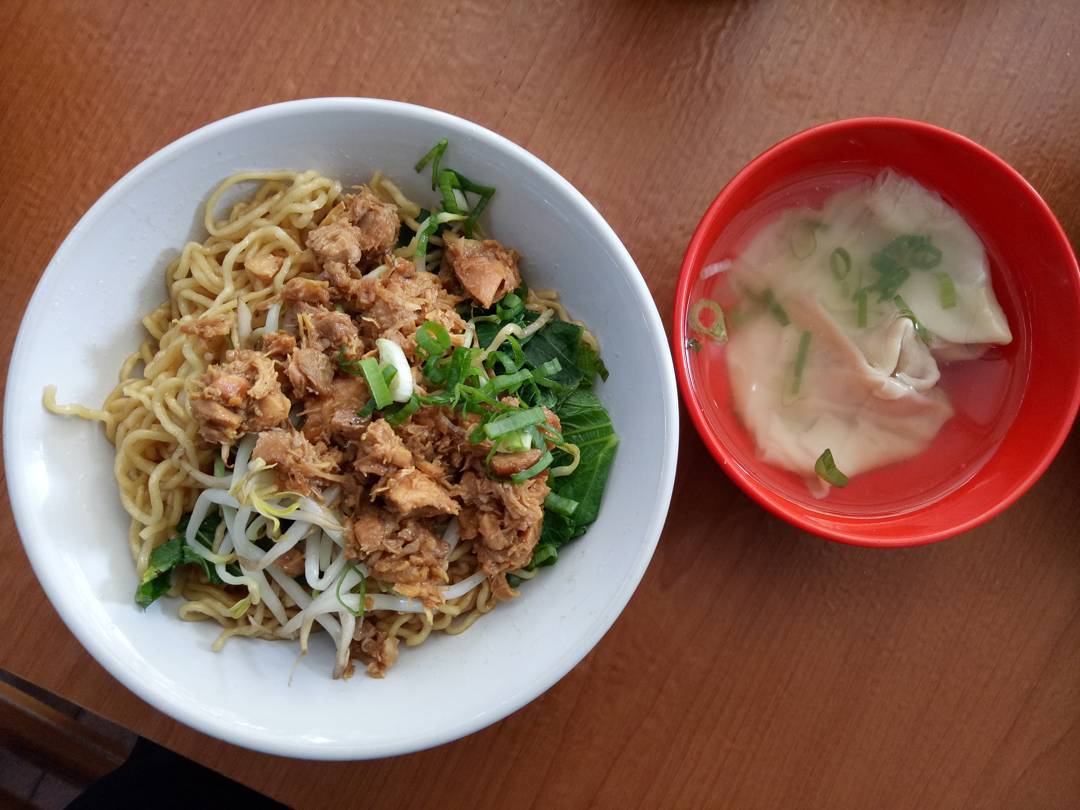
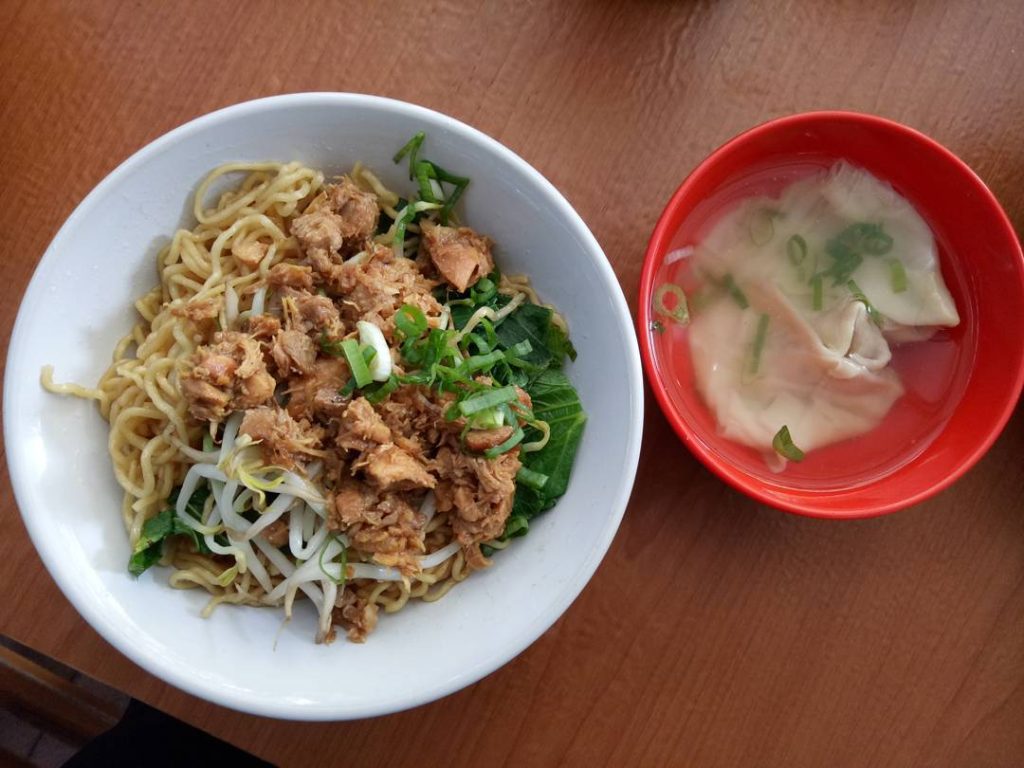

Mie Pangsit, at its core, is a noodle soup. However, the Bangka version elevates this simple concept into something extraordinary. The ‘mie’ refers to the springy, often homemade egg noodles, while ‘pangsit’ denotes the delicate wontons, which are typically fried to a golden crisp, providing a delightful textural contrast to the soft noodles and tender seafood.
What sets Bangka Seafood Mie Pangsit apart is its rich and aromatic broth. Unlike simpler noodle soups, this broth is often simmered for hours, infused with a medley of spices and aromatics. The foundation is usually a robust chicken or pork stock, enhanced with ingredients like ginger, garlic, shallots, and a hint of sweetness from rock sugar or palm sugar. The depth of flavor is paramount.
The ‘seafood’ component is where this dish truly shines. Bangka, being an island, has access to incredibly fresh and diverse seafood. Common additions include plump shrimp, tender squid, firm fish fillets, and sometimes even succulent crab meat. The quality and freshness of the seafood are non-negotiable for achieving an authentic taste.
Preparing authentic Bangka Seafood Mie Pangsit at home can seem daunting, but with a systematic approach, it becomes an achievable and rewarding endeavor. This guide will break down the process into manageable steps, ensuring you can recreate this beloved dish with confidence.
The journey begins with ingredient selection. For the noodles, fresh egg noodles are ideal. If homemade is not an option, seek out the freshest available from Asian markets. They should have a firm texture and a vibrant yellow hue. Overcooked or stale noodles will detract significantly from the dish.
For the seafood, prioritize freshness. Look for shrimp with firm, translucent flesh and no strong odor. Squid should be firm and moist. When choosing fish, opt for fillets with a clean smell and a firm texture that springs back when pressed. For the pangsit (wontons), you can either make them from scratch or purchase high-quality wonton wrappers.
The broth is the soul of the dish. To achieve its characteristic depth, start by simmering a good quality chicken or pork stock. For a more authentic flavor, some recipes call for a combination of both. Add aromatics like sliced ginger, crushed garlic cloves, and thinly sliced shallots. A bay leaf and a few white peppercorns can further enhance the aroma.
Simmering the broth should be done gently over low heat for at least 2-3 hours, allowing the flavors to meld and deepen. Skim off any impurities that rise to the surface to ensure a clear and refined broth. Towards the end of the simmering process, season with salt, a touch of soy sauce, and a hint of rock sugar or palm sugar to balance the savory notes.
Preparing the pangsit is a crucial step for textural contrast. If making them from scratch, you’ll need wonton wrappers, ground pork or chicken, minced shrimp, chopped chives, soy sauce, sesame oil, and white pepper. Mix all filling ingredients thoroughly, then place a small amount onto each wrapper and fold into the desired shape. Seal the edges with water to prevent them from opening during frying.
The pangsit are typically deep-fried until golden brown and crispy. Ensure the oil is at the correct temperature (around 350°F or 175°C) to achieve a light and airy crispness without greasiness. Drain them well on paper towels immediately after frying.
The seafood needs to be cooked just before serving to maintain its tenderness and succulence. Shrimp should be blanched for a minute or two until they turn pink. Squid can be quickly stir-fried or blanched; overcooking will make it rubbery. Fish fillets can be gently poached in the simmering broth or stir-fried separately.
Assembling the Bangka Seafood Mie Pangsit is an art form. Start by placing a portion of cooked noodles into a deep serving bowl. Arrange the cooked seafood – shrimp, squid, fish – artfully on top of the noodles. Add some blanched leafy greens, such as bok choy or spinach, for color and nutrition.
Ladle the hot, aromatic broth generously over the noodles and seafood. The heat of the broth will further cook the ingredients slightly and release their flavors. The aroma should be intoxicating at this stage.
Finally, crown the dish with the crispy fried pangsit. A sprinkle of chopped fresh scallions and a dash of white pepper add the finishing touches. Some may also add a drizzle of chili oil or a side of sambal for those who enjoy a spicy kick.
The beauty of Bangka Seafood Mie Pangsit lies in its versatility. While the core elements remain consistent, variations exist. Some families might add slices of boiled eggs, tender pieces of braised pork belly, or even a sprinkle of fried shallots for an extra layer of flavor and texture.
For those seeking a vegetarian or vegan option, the dish can be adapted. A rich vegetable broth infused with mushrooms and aromatics can form the base. Tofu, tempeh, and an abundance of fresh vegetables can replace the seafood. Crispy fried wontons can still be made using vegetable fillings.
The cultural significance of this dish cannot be overstated. It is a staple in many Bangka households and a popular item in local eateries. Sharing a bowl of Mie Pangsit is often a communal experience, bringing people together over a shared love for good food.
When preparing the broth, consider using a combination of chicken and pork bones for maximum flavor. Roasting the bones before simmering can add an even deeper, caramelized note to the stock.
Don’t be afraid to experiment with the spice profile of the broth. While ginger and garlic are standard, some recipes incorporate star anise, cinnamon, or cloves for a more complex aroma. A small piece of dried tangerine peel can also add a subtle citrusy depth.
For the pangsit filling, finely minced shrimp not only adds flavor but also a delightful bouncy texture. Ensure all ingredients for the filling are chopped very finely to ensure even cooking.
When frying the pangsit, it’s crucial to maintain the oil temperature. If the oil is too cool, the wontons will absorb too much oil and become greasy. If it’s too hot, they will brown too quickly on the outside while remaining undercooked inside.
The type of noodles used can also affect the final dish. Thicker, chewier noodles will hold up better to the rich broth, while thinner noodles will absorb more flavor but might become softer more quickly.
To enhance the seafood flavor, consider marinating the shrimp and squid briefly in a mixture of soy sauce, sesame oil, and a pinch of white pepper before cooking.
For the leafy greens, bok choy is a classic choice, but napa cabbage or even blanched bean sprouts can be used as alternatives.
The garnishes are not just for aesthetics; they contribute to the overall flavor profile. Freshly chopped scallions add a bright, pungent note, while a sprinkle of white pepper provides a subtle warmth.
Serving the dish piping hot is essential. The warmth is integral to the sensory experience, allowing the aromas to fully develop and the flavors to be appreciated.
If you find yourself with leftover broth, it can be stored in the refrigerator for a few days and reheated. It also makes an excellent base for other noodle soups or congee.
For those new to making wontons, starting with store-bought wrappers is a good way to get a feel for the process. Focus on achieving a good filling-to-wrapper ratio and sealing them properly.
The beauty of homemade food is the ability to control the ingredients. You can adjust the saltiness, sweetness, and spice levels to perfectly suit your palate.
Bangka Seafood Mie Pangsit is a dish that rewards patience and attention to detail. From the slow simmering of the broth to the careful preparation of each component, every step contributes to the final masterpiece.
Consider serving this dish with a side of sambal kecap (sweet soy sauce with chili and shallots) or a simple chili paste for those who crave an extra layer of heat and flavor.
The textures play a vital role: the chewiness of the noodles, the tenderness of the seafood, the crispness of the pangsit, and the smoothness of the broth create a symphony in every bite.
Ultimately, recreating Bangka Seafood Mie Pangsit is about more than just following a recipe; it’s about understanding the heart and soul of Bangka cuisine and bringing those authentic flavors into your own kitchen.