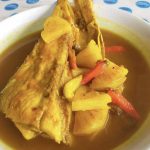

While the literal translation of ‘Sup Kaki Ikan’ might conjure images of fish feet, in the context of this culinary creation, it refers to the use of specific fish parts such as fish heads, bones, and fins. These components are incredibly rich in collagen and gelatin, which, when slow-simmered, yield a remarkably flavorful, thick, and nourishing broth that mirrors the luxurious mouthfeel of its beef counterpart. This article will guide you through the art of preparing this extraordinary seafood soup, ensuring a dish that is both deeply satisfying and incredibly healthy.
The essence of any great ‘Sup Tunjang’ lies in its broth. For our seafood rendition, the goal is to extract maximum flavor and gelatinous goodness from the fish parts, creating a foundation that is both robust and incredibly aromatic. This isn’t just a simple fish soup; it’s a careful orchestration of ingredients designed to deliver a complex, umami-rich experience that will tantalize your taste buds and warm your soul.
Traditionally, Sup Tunjang is celebrated for its restorative properties, often enjoyed for its ability to provide warmth and energy. The seafood version retains these benefits, adding the nutritional advantages of fish, such as omega-3 fatty acids, essential vitamins, and minerals. It’s a culinary journey that promises both indulgence and wellness in every spoonful.
Embarking on this culinary adventure requires a selection of fresh, high-quality ingredients. The success of your Seafood Sup Tunjang hinges significantly on the freshness of your seafood and the potency of your aromatics. Do not compromise on quality; it truly makes all the difference.
Key Ingredients for Seafood Sup Tunjang
- Fish Heads, Bones, and Fins: These are the stars for the collagen-rich broth. Opt for large, meaty fish heads (e.g., snapper, grouper, salmon) and fish frames. Ensure they are thoroughly cleaned.
- Assorted Seafood: To complement the broth, include a variety of fresh seafood such as:
- Shrimp: Medium to large, peeled and deveined, with tails on for presentation.
- Squid/Calamari: Cleaned and cut into rings or bite-sized pieces.
- Mussels or Clams: Scrubbed clean and debearded.
- Fish Fillets: Firm white fish (e.g., snapper, cod, barramundi) cut into cubes, for added texture and protein.
These ingredients are typically ground into a paste to release their full aroma and flavor, forming the backbone of the soup’s distinctive taste profile.
- 8-10 cloves Garlic
- 10-12 shallots
- 5 cm fresh Ginger, peeled
- 5 cm fresh Galangal, peeled
- 3 cm fresh Turmeric, peeled (optional, for color and earthy notes)
- 5-7 Candlenuts (Kemiri), roasted or fried lightly (for richness and thickness)
- 1 teaspoon White Pepper
These are added whole to infuse the broth with layers of fragrance and subtle heat.
- 3-4 stalks Lemongrass, bruised
- 4-5 Kaffir Lime Leaves, torn
- 2-3 Bay Leaves (Daun Salam)
- 2-3 cm fresh Galangal, sliced (in addition to the ground galangal, for texture and sustained aroma)
- 5-7 Bird’s Eye Chilies (Cabai Rawit), left whole (adjust to your spice preference)
To add texture, sweetness, and nutritional value.
- 2-3 medium Carrots, peeled and sliced or diced
- 2-3 medium Potatoes, peeled and cubed
- 2-3 Tomatoes, quartered
- 1 large Onion, roughly chopped
- 1-2 stalks Celery, chopped
For balancing and enhancing the final flavor.
- Salt to taste
- Sugar to taste (a pinch helps balance flavors)
- Fish Sauce (Nuoc Mam) or light soy sauce (optional, for extra umami)
- Fresh Lime Juice (from 1-2 limes)
- Fresh Spring Onions (Daun Bawang), chopped, for garnish
- Fried Shallots (Bawang Goreng), for garnish
- Fresh Red Chilies, sliced (optional, for garnish and extra heat)
- Fresh Coriander or Celery Leaves, chopped, for garnish
Before you begin, ensure you have the necessary kitchen tools: a large stockpot (at least 5-7 liters capacity), a food processor or mortar and pestle for grinding spices, a fine-mesh sieve, a cutting board, sharp knives, and serving bowls. Having everything prepped and ready will streamline your cooking process.
Step-by-Step Cooking Guide: Crafting Your Seafood Sup Tunjang
Step 1: Preparing the Fish for Broth
Begin by thoroughly cleaning the fish heads, bones, and fins. Remove any lingering scales, gills, and blood clots, as these can impart a bitter taste. Rinse them under cold running water until completely clean. You may blanch them briefly (1-2 minutes) in boiling water, then rinse again, to remove impurities and ensure a clear broth. Set aside.
Step 2: Preparing the Bumbu Halus (Ground Spices)
Peel and roughly chop the garlic, shallots, ginger, galangal, and turmeric (if using). If using candlenuts, lightly roast them in a dry pan until fragrant. Combine all these ingredients with white pepper in a food processor or a traditional mortar and pestle. Grind until a smooth, aromatic paste is formed. This paste is the heart of your soup’s flavor.
Step 3: Sautéing the Aromatics
Heat 3-4 tablespoons of cooking oil in your large stockpot over medium heat. Add the ground spice paste (bumbu halus) and sauté gently, stirring constantly, until it becomes very fragrant and the oil separates. This process, known as ‘menumis’, is crucial for developing the depth of flavor. Add the bruised lemongrass, torn kaffir lime leaves, bay leaves, sliced galangal, and whole bird’s eye chilies. Continue to sauté for another 2-3 minutes until all aromatics are well-integrated and fragrant.
Step 4: Building the Collagen-Rich Broth
Carefully place the cleaned fish heads, bones, and fins into the pot with the sautéed aromatics. Pour in approximately 2.5-3 liters of water (or fish stock for an even richer flavor). Bring the mixture to a boil, then immediately reduce the heat to a low simmer. Skim off any foam or impurities that rise to the surface to ensure a clear broth. Cover the pot and let it simmer gently for at least 1.5 to 2 hours. The longer it simmers, the more collagen and flavor will be extracted, creating that desirable gelatinous texture.
Step 5: Straining and Clarifying the Broth
Once the broth has simmered sufficiently, carefully remove the fish heads, bones, and fins. Strain the entire broth through a fine-mesh sieve into another clean pot or large bowl, pressing lightly on the solids to extract all liquid. Discard the spent fish parts and aromatics. This step is vital for achieving a smooth, clear broth, free of any small bones or debris.
Step 6: Adding Vegetables and Seafood
Return the strained broth to the cleaned stockpot. Bring it back to a gentle simmer. Add the chopped carrots and potatoes. Cook for about 10-15 minutes, or until they are nearly tender. Next, add the quartered tomatoes and chopped celery. Allow them to cook for another 5 minutes.
Now, it’s time to add the assorted seafood. Start with the firmer fish fillets, followed by squid rings, shrimp, and finally, mussels or clams. The cooking times for seafood are relatively short; be careful not to overcook them, as they can become rubbery. Shrimp and squid typically cook in 2-3 minutes, while mussels/clams are done when they open.
Step 7: Final Seasoning and Finishing Touches
Season the soup generously with salt and a pinch of sugar to taste. If using, add a dash of fish sauce or light soy sauce for an extra layer of umami. Stir well and taste, adjusting the seasonings as needed until the flavors are perfectly balanced. The soup should be savory, slightly sweet, with a hint of spice and a bright finish.
Just before serving, stir in the fresh lime juice. This adds a crucial tanginess that brightens the entire soup and cuts through its richness. The acidity of the lime juice is a hallmark of many Indonesian soups.
Tips for Success: Achieving the Perfect Seafood Sup Tunjang
- Freshness is Paramount: Always use the freshest seafood available. The quality of your ingredients directly impacts the flavor of your soup.
- Slow Simmer for Depth: Resist the urge to boil the broth vigorously. A slow, gentle simmer is key to extracting collagen and flavors without clouding the broth.
- Skim Regularly: During the initial stages of broth making, regularly skim off any scum or impurities that rise to the surface. This ensures a clearer, cleaner-tasting broth.
- Balance of Flavors: Indonesian cuisine thrives on a balance of sweet, salty, sour, and spicy. Taste and adjust seasonings frequently. The lime juice at the end is non-negotiable for that refreshing finish.
- Don’t Overcook Seafood: Seafood cooks quickly. Add it towards the end of the cooking process to maintain its tender texture.
- Customization: Feel free to adjust the spice level by adding more or fewer chilies. You can also experiment with different types of seafood based on availability and preference.
- Spicier Kick: For those who love heat, add sliced red bird’s eye chilies or a spoonful of sambal oelek directly into the serving bowl.
- Creamy Version: Incorporate a splash of coconut milk or evaporated milk during the last 10 minutes of simmering for a richer, creamier texture, transforming it into a ‘Gulai’ or ‘Lodeh’ style soup.
- Vegetable Medley: Enhance the nutritional content by adding other vegetables like green beans, cabbage, or mushrooms. Add them according to their cooking times.
- Noodle Delight: Serve with rice vermicelli (bihun) or glass noodles (soun) for a more substantial meal, similar to a ‘Soto’ dish.
This soup is not only delicious but also packed with health benefits. The collagen from the fish parts is excellent for skin, hair, and joint health. Seafood provides lean protein, essential omega-3 fatty acids (which support heart and brain health), and a host of vitamins and minerals. The fresh vegetables contribute fiber, antioxidants, and additional nutrients, making this a truly wholesome meal.
Seafood Sup Tunjang is best served piping hot. Ladle generous portions into individual bowls, ensuring each serving gets a good mix of broth, seafood, and vegetables. Garnish generously with chopped fresh spring onions, crispy fried shallots, and fresh coriander or celery leaves. For an extra zing, offer additional lime wedges and sliced fresh chilies on the side.
Traditionally, it’s enjoyed with a steaming bowl of white rice, which perfectly soaks up the flavorful broth. A side of spicy sambal (chili paste) and emping (melinjo nut crackers) or kerupuk (shrimp crackers) makes for a complete and authentic Indonesian dining experience.
Leftover Seafood Sup Tunjang can be stored in an airtight container in the refrigerator for up to 2-3 days. When reheating, gently warm on the stovetop over low heat until simmering. Avoid boiling vigorously, especially if it contains delicate seafood, to prevent overcooking. The flavors often meld and deepen overnight, making it even more delicious the next day.
In conclusion, Seafood Sup Tunjang, or Sup Kaki Ikan, is a testament to the ingenuity and richness of Indonesian cuisine. By creatively adapting the concept of a collagen-rich ‘tunjang’ soup to the vibrant flavors of the sea, we unlock a dish that is both familiar in its comfort and exciting in its unique profile. It’s a culinary masterpiece that promises warmth, nourishment, and an unforgettable taste experience.
Embrace the challenge of crafting this exquisite soup, and you’ll be rewarded with a dish that not only tantalizes the palate but also offers a glimpse into the diverse and delectable world of Indonesian flavors. Share this magnificent creation with family and friends, and watch as they savor every last drop of your homemade, collagen-infused seafood delight!