
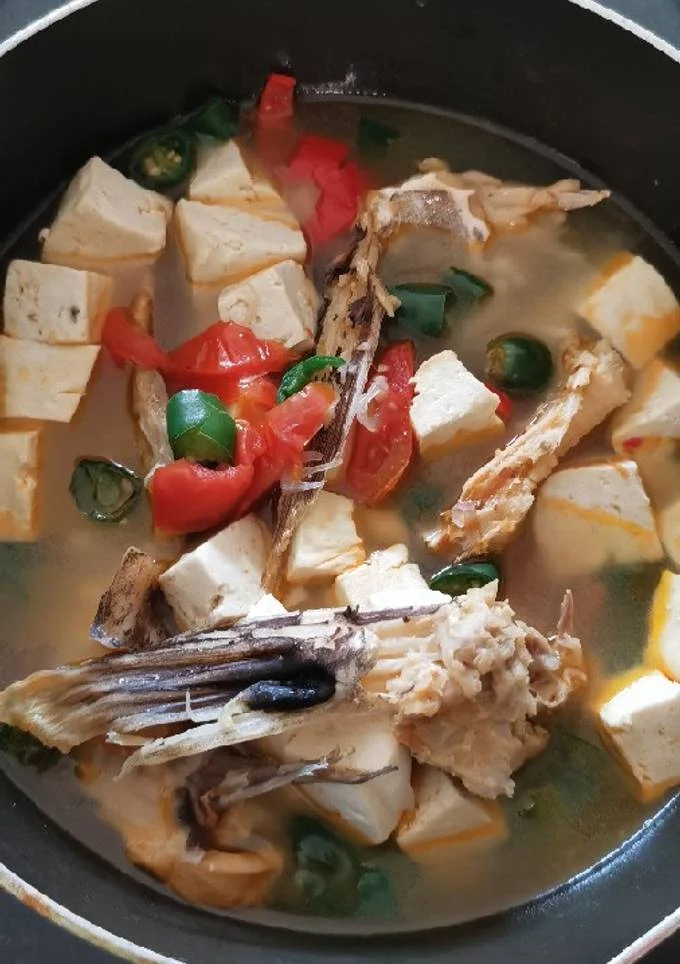

The Origins of Sup Tulang Ikan
Sup Tulang Ikan is deeply rooted in Indonesian culinary traditions, particularly in coastal regions where seafood is abundant. The dish likely emerged as a way to utilize every part of the fish, including the bones, which are often discarded. By simmering these bones for extended periods, a nutrient-rich broth is created, forming the foundation of this hearty soup. Over time, various regions have added their own unique twists, resulting in a diverse range of Sup Tulang Ikan recipes.
Why Choose Seafood Bone Soup?
Beyond its delightful taste, Sup Tulang Ikan offers a plethora of health benefits. The fish bones are a rich source of calcium, phosphorus, and collagen, all essential for bone health and overall well-being. The slow simmering process extracts these nutrients, making them easily absorbable by the body. Additionally, the seafood provides lean protein and essential omega-3 fatty acids, contributing to heart health and brain function.
Health Benefits of Sup Tulang Ikan
- Bone Health: The calcium and phosphorus from the fish bones contribute to strong and healthy bones.
- Joint Health: Collagen, a protein found in fish bones, supports joint health and may help reduce inflammation.
- Heart Health: Omega-3 fatty acids from the seafood promote cardiovascular health.
- Brain Function: Omega-3 fatty acids are also crucial for brain function and cognitive health.
- Immune Support: The vitamins and minerals in the soup can help boost the immune system.
Essential Ingredients for Authentic Sup Tulang Ikan
- Fish Bones: The foundation of the soup. Use bones from white fish like snapper, grouper, or cod for the best flavor.
- Seafood: A mix of seafood such as shrimp, clams, mussels, and squid adds depth and complexity.
- Aromatic Vegetables: Onions, garlic, ginger, and lemongrass are essential for building the flavor base.
- Spices: Turmeric, coriander, and white pepper contribute to the soup’s distinctive taste.
- Leafy Greens: Spinach or bok choy adds freshness and nutritional value.
- Lime or Lemon: A squeeze of citrus juice brightens the flavors and adds a tangy note.
Step-by-Step Guide to Cooking Sup Tulang Ikan
Step 1: Prepare the Fish Bones
Rinse the fish bones thoroughly under cold water to remove any impurities. If the bones are large, you can chop them into smaller pieces for easier handling and better extraction of nutrients.
Step 2: Sauté the Aromatics
In a large pot or Dutch oven, heat some oil over medium heat. Add the chopped onions, garlic, ginger, and lemongrass. Sauté until fragrant and the onions are translucent, about 5-7 minutes.
Step 3: Simmer the Bones
Add the fish bones to the pot and cover with water. Bring to a boil, then reduce the heat to low and simmer for at least 2-3 hours. The longer you simmer, the richer and more flavorful the broth will be. Skim off any foam or impurities that rise to the surface during simmering.
Step 4: Strain the Broth
After simmering, strain the broth through a fine-mesh sieve or cheesecloth to remove the bones and vegetables. Discard the solids and return the broth to the pot.
Step 5: Add the Spices
Add the turmeric, coriander, and white pepper to the broth. Adjust the amount of spices according to your preference. Simmer for another 15-20 minutes to allow the flavors to meld.
Step 6: Incorporate the Seafood
Add the seafood to the broth. Start with the clams and mussels, as they take longer to cook. Once they open, add the shrimp and squid. Cook until the seafood is just cooked through, about 3-5 minutes. Be careful not to overcook the seafood, as it can become rubbery.
Step 7: Add the Leafy Greens
Stir in the spinach or bok choy and cook until wilted, about 1-2 minutes.
Step 8: Season and Serve
Season the soup with salt and pepper to taste. Squeeze in some lime or lemon juice for a bright, tangy finish. Serve hot and garnish with fresh herbs like cilantro or parsley.
Tips for the Perfect Sup Tulang Ikan
- Use Fresh Ingredients: The quality of your ingredients will directly impact the flavor of the soup. Opt for fresh fish bones and seafood for the best results.
- Simmer Low and Slow: Simmering the bones for an extended period is crucial for extracting maximum flavor and nutrients.
- Don’t Overcook the Seafood: Overcooked seafood can become tough and rubbery. Cook it just until it’s cooked through.
- Adjust the Spices: Feel free to adjust the amount of spices according to your preference. Taste the soup as you go and add more spices as needed.
- Garnish Generously: Fresh herbs and a squeeze of citrus juice can elevate the flavor of the soup.
Variations of Sup Tulang Ikan
- Spicy Sup Tulang Ikan: Add chili peppers or chili paste to the soup for a fiery kick.
- Coconut Milk Sup Tulang Ikan: Incorporate coconut milk for a creamy and rich texture.
- Vegetable-Rich Sup Tulang Ikan: Add more vegetables like carrots, potatoes, and celery for a heartier soup.
- Tomato-Based Sup Tulang Ikan: Use diced tomatoes or tomato paste to create a tangy and vibrant broth.
Serving Suggestions
- As a Starter: Serve a small bowl of Sup Tulang Ikan as an appetizer before a main course.
- As a Main Course: Serve a large bowl of Sup Tulang Ikan with a side of rice or bread for a complete meal.
- As a Comfort Food: Enjoy a warm bowl of Sup Tulang Ikan on a cold day for a comforting and nourishing experience.
Storing and Reheating Sup Tulang Ikan
Sup Tulang Ikan can be stored in the refrigerator for up to 3 days. To reheat, simply warm it up in a pot over medium heat or in the microwave. You may need to add a little water or broth if the soup has thickened.
Conclusion: Embrace the Flavor of the Sea
Sup Tulang Ikan is a culinary masterpiece that showcases the rich flavors and nutritional benefits of seafood. By following this guide, you can create an authentic and delicious bowl of Sup Tulang Ikan that will impress your family and friends. So, gather your ingredients, put on your apron, and embark on a culinary journey to the flavorful depths of Sup Tulang Ikan. Selamat memasak! (Happy cooking!)
Frequently Asked Questions (FAQs)
- Can I use frozen fish bones? Yes, you can use frozen fish bones, but make sure to thaw them completely before using.
- What if I can’t find all the seafood ingredients? Feel free to substitute with whatever seafood is available to you. Shrimp and clams are essential, but other seafood like mussels, squid, or fish fillets can be added or substituted.
- Can I make this soup vegetarian? While the traditional recipe uses fish bones and seafood, you can create a vegetarian version by using vegetable broth and adding tofu or tempeh for protein.
- How can I make the soup thicker? You can thicken the soup by adding a cornstarch slurry (cornstarch mixed with water) or by simmering it for a longer period to reduce the liquid.


