
The foundation of any great Ais Kacang, seafood or otherwise, lies in the quality of its ice. Finely shaved ice is paramount. It should be fluffy and snow-like, capable of absorbing the myriad of flavors without becoming watery too quickly. Invest in a good quality ice shaver; a machine that produces fine, uniform flakes is ideal. If using a manual shaver, ensure you freeze water in shallow, wide containers to maximize surface area for shaving, resulting in a lighter texture.
When we talk about ‘seafood’ in Ais Kacang, it’s crucial to understand the specific ingredients that work best. The goal is to introduce subtle, oceanic notes that complement, rather than overpower, the sweet elements. Common and successful additions include cooked and chilled prawns, small pieces of crab meat, or even a hint of calamari, prepared in a way that is not fishy.
The preparation of the seafood is critical. Prawns should be fresh, plump, and cooked just until opaque. Overcooking will make them tough and rubbery. A gentle poaching or steaming is recommended. Once cooked, they should be immediately chilled to retain their delicate texture and sweetness. For crab meat, opt for fresh, sweet varieties and ensure it’s free of shell fragments.
Calamari, if used, requires careful handling. It should be sliced thinly and blanched very briefly, just enough to cook it through. The key is to avoid any chewiness. A quick dip in boiling water followed by an ice bath will preserve its tender bite. Seasoning at this stage should be minimal, perhaps a pinch of salt or a whisper of white pepper, to avoid clashing with the dessert’s sweetness.
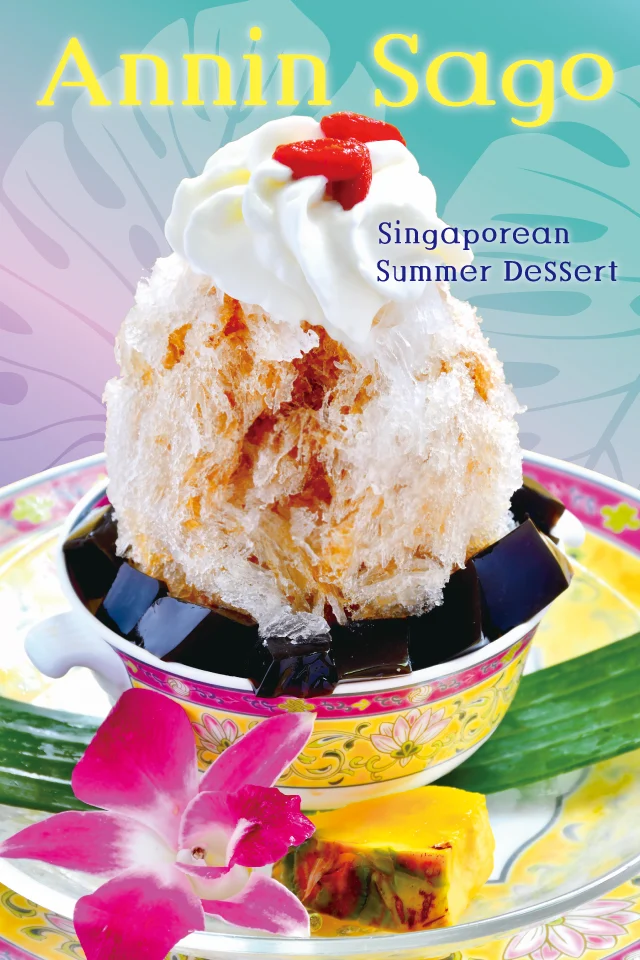
Beyond the seafood, the classic Ais Kacang components still play a vital role. A variety of colorful jellies, often made from agar-agar or grass jelly, are essential for texture and visual appeal. These can be cut into various shapes and sizes – cubes, balls, or even stars – to add a playful element.
Sweet corn is another popular and complementary addition. Its natural sweetness and slightly firm texture provide a pleasing contrast to the soft ice and jellies. Canned sweet corn, drained well, is a convenient option, but fresh, blanched corn kernels can offer a superior flavor.
The heart of any Ais Kacang is its syrup. A blend of evaporated milk, condensed milk, and flavored syrups is traditional. For a special Seafood Ais Kacang, consider infusing your syrups with subtle flavors that echo the sea. A hint of pandan essence can add an aromatic depth, while a light rose syrup provides a floral note. Experiment with different combinations to find a balance that works with the seafood.
For a truly unique twist, consider a savory element in the syrup itself. A very small amount of dashi, a Japanese broth made from dried bonito flakes and kombu, can introduce a complex umami flavor that harmonizes surprisingly well with sweet and savory profiles. It must be used sparingly, as its purpose is to add depth, not a dominant taste.
The presentation of your Seafood Ais Kacang is as important as its taste. Start with a generous mound of finely shaved ice in a deep bowl. Arrange the seafood elements artfully on top, ensuring they are visible and appealing. Scatter the colorful jellies and sweet corn around the seafood.
Drizzle generously with your chosen syrups. A combination of condensed milk and evaporated milk forms the creamy base, while colorful fruit syrups like red, green, and yellow add visual vibrancy and distinct fruity flavors. Don’t be afraid to layer different syrups for a more complex taste profile.
A sprinkle of roasted peanuts or toasted sesame seeds can add a delightful crunch and nutty aroma. This textural contrast is crucial in balancing the softness of the ice and jellies.
For an extra touch of luxury, consider adding a scoop of premium vanilla or coconut ice cream on top. The cold, creamy ice cream melts into the shaved ice, creating a richer, more indulgent dessert experience.
When sourcing seafood, freshness is non-negotiable. Opt for high-quality, sustainably sourced seafood. If using pre-cooked seafood, ensure it has been handled and stored properly to maintain its quality and safety.
The ‘seafood’ element can be varied. While prawns and crab are common, some adventurous chefs experiment with other ingredients. Small, sweet scallops, lightly seared, could offer a different oceanic sweetness. However, the key remains balance and avoiding anything overly pungent or strong.
The ‘kacang’ or peanut element, traditionally found in many versions of Ais Kacang, can be incorporated in different ways. Beyond a simple sprinkle, consider a peanut butter-infused syrup or a garnish of candied peanuts for an extra layer of flavor and crunch.
Balancing the sweet and savory is the ultimate challenge and triumph of Seafood Ais Kacang. The sweetness from the condensed milk, evaporated milk, and fruit syrups should be balanced by the subtle brininess and umami of the seafood. The corn and jellies provide neutral sweetness and texture, acting as bridges between the sweet and savory components.
Consider the temperature contrast. The icy base should be complemented by ingredients that are served chilled but not frozen solid. This allows for a more nuanced tasting experience as the dessert gradually melts.
For those who are hesitant about adding actual seafood, a clever alternative is to use seafood-flavored jellies or candies. These can mimic the visual appearance and even a hint of the flavor profile without the direct inclusion of marine life. This offers a way to experiment with the concept safely.
Another variation involves incorporating seafood in a more subtle, integrated manner. Perhaps a light seafood broth used as a base for the ice shaving, or a seafood-infused simple syrup. These methods introduce oceanic notes without large, distinct pieces of seafood.
The choice of fruit syrups is also important. While traditional red and green syrups are popular, consider incorporating tropical fruits like mango, passionfruit, or lychee. These flavors can complement the subtle seafood notes more effectively than some of the artificial-tasting traditional syrups.
For a truly ‘special’ creation, think about garnishes that elevate the dish. Edible flowers, a sprig of mint, or even a tiny drizzle of chili oil (for the very brave) can add visual interest and unexpected flavor dimensions.
The texture play is paramount. The smooth, melting ice, the chewy jellies, the firm corn, the tender seafood, and the crunchy peanuts all contribute to a multi-sensory experience. Each component should have a distinct texture that contributes to the overall harmony.
When serving, ensure the bowl is chilled. This helps to maintain the integrity of the shaved ice for longer, allowing your guests to savor the dessert without it melting too rapidly.
Educate your diners about the unique nature of the dish. Inform them that it’s a fusion dessert and that the seafood element is intended to be a subtle complement to the sweetness, not a dominant flavor. This manages expectations and enhances appreciation.
Experimentation is key. The beauty of a ‘special’ creation lies in its uniqueness. Don’t be afraid to try new combinations, adjust sweetness levels, and explore different seafood preparations. What works for one palate might differ for another.
Ultimately, a special Seafood Ais Kacang is about creating a harmonious balance of sweet, savory, textural, and aromatic elements. It’s a dessert that challenges conventions and rewards the adventurous palate with a truly memorable culinary journey.
The visual appeal cannot be overstated. Think about color contrasts. Bright jellies against the white ice, the pinkish hue of prawns, and the vibrant fruit syrups create a feast for the eyes before it becomes a feast for the palate.
Consider the sourcing of your shaved ice. If you are making it at home, using filtered water can contribute to a cleaner taste, which is important when delicate flavors like seafood are involved.
The type of milk used can also be adjusted. While condensed and evaporated milk are traditional, some may prefer to use fresh milk for a lighter, less sweet base, or even coconut milk for an added tropical dimension that pairs well with seafood.
The ‘kacang’ in Ais Kacang traditionally refers to peanuts. However, in this context, it’s worth noting that the term can also broadly refer to beans or other legumes. While peanuts are the most common, some variations might include red beans or sweet peas, which can add further textural and nutritional elements.
For those seeking a more refined umami experience, a touch of bonito flakes (katsuobushi) could be incorporated, either directly as a garnish or infused into a syrup. Their delicate, smoky flavor can add a layer of complexity without being overpowering.
The element of surprise is a key component of a ‘special’ Ais Kacang. Whether it’s the unexpected inclusion of seafood, a unique syrup flavor, or an unusual garnish, the goal is to create a dessert that delights and intrigues.
Finally, remember that the best Seafood Ais Kacang is one that is made with passion and attention to detail. Each ingredient should be chosen thoughtfully, and each step executed with care, resulting in a dessert that is not only delicious but also a work of art.