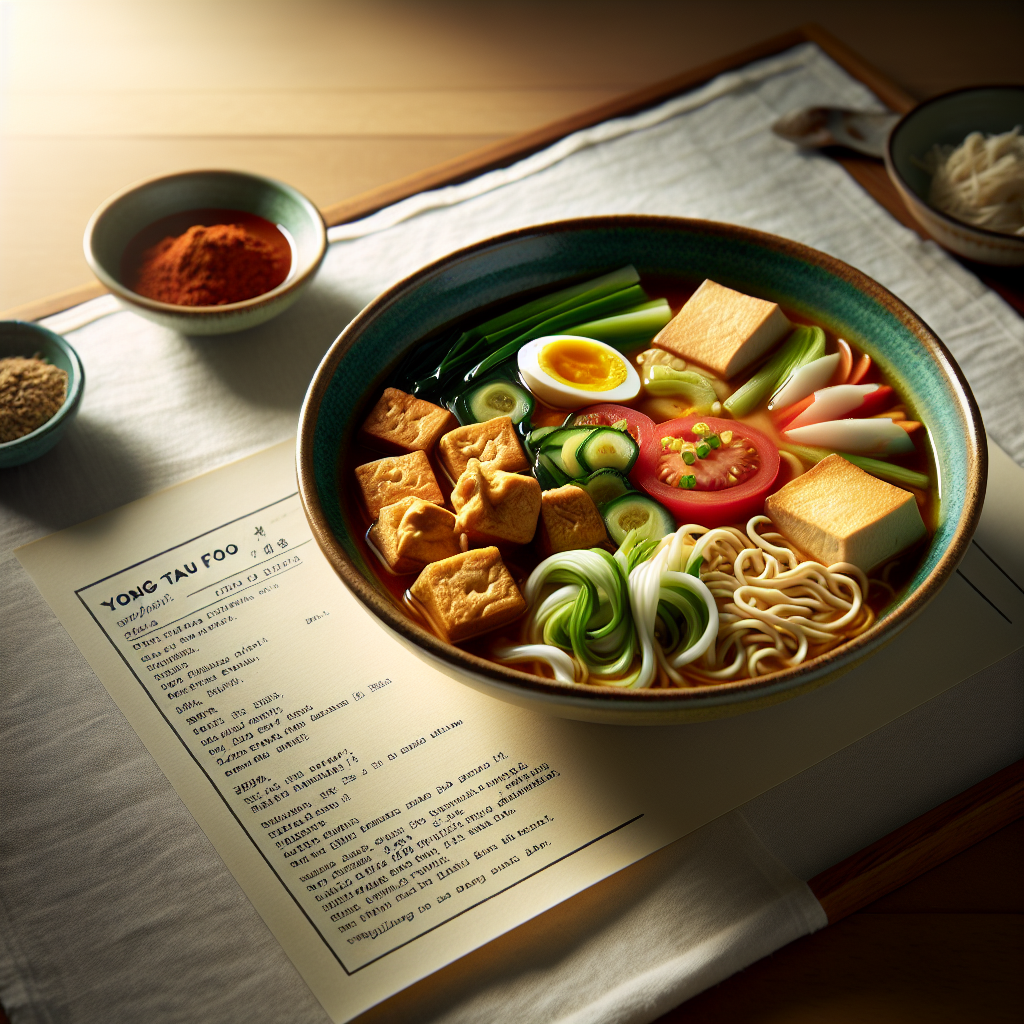
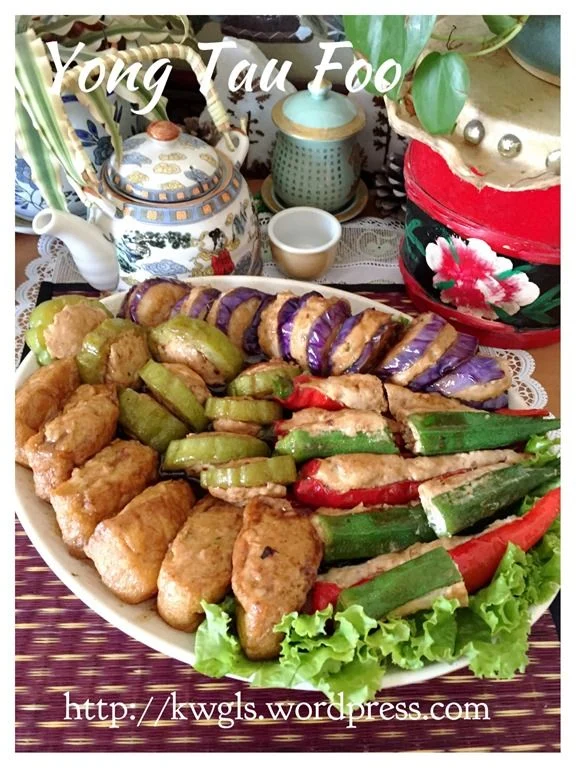

Yong Tau Foo is more than just a dish; it is a culinary institution in Southeast Asia, particularly within the cuisines of Singapore, Malaysia, and Indonesia. Originating from Hakka Chinese traditions, the name literally translates to ‘stuffed bean curd.’ While the earliest iterations relied heavily on minced pork, the evolution of the dish has given rise to the incredibly popular seafood variant. This version, known locally in Indonesia as a premium style of ‘Tahu Isi,’ replaces heavy meats with a delicate, bouncy fish paste known as surimi.
The beauty of Seafood Yong Tau Foo lies in its versatility and the intricate balance of textures. It represents the perfect marriage between the humble soybean and the treasures of the ocean. Whether served dry with a drizzle of sweet sauce and chili or submerged in a clear, savory consommé, it offers a comforting eating experience that is both light on the palate and rich in flavor.
For home cooks, attempting this dish can seem daunting due to the technical requirement of making the fish paste. However, mastering this recipe provides a sense of accomplishment and a quality of food that far surpasses commercially available, mass-produced versions. This guide will walk you through every step of creating a restaurant-quality Seafood Yong Tau Foo, from selecting the freshest mackerel to simmering the perfect ikan bilis (anchovy) stock.
The History and Evolution
The roots of Yong Tau Foo can be traced back to the Hakka people, a Han Chinese subgroup known for their migratory history. Legend has it that the dish was born out of a desire to make dumplings. Lacking the wheat flour necessary to make dumpling skins in their southern migration, the Hakka people improvised by stuffing leftover meats into cubes of tofu. This innovation created a staple that has survived centuries.
As the diaspora spread to Southeast Asia, local ingredients began to influence the recipe. The proximity to the sea in the Malay Archipelago naturally led to the incorporation of fish, squid, and prawns into the stuffing. Today, the seafood version is often considered a healthier, cleaner-tasting alternative to the traditional pork-based recipe, favored by those looking for a high-protein, low-fat meal.
Understanding the Components: The Paste (Surimi)
The heart and soul of any Yong Tau Foo is the fish paste. In culinary terms, this is often referred to as ‘surimi.’ A successful paste must be fresh, sweet, and most importantly, have a bouncy texture often described in Asian culinary circles as ‘Q’ or ‘QQ.’ If the paste is mushy or powdery, the dish fails.
To achieve this texture, the choice of fish is paramount. Spanish Mackerel (known as Ikan Tenggiri) is the gold standard for Yong Tau Foo. It possesses a sticky quality when scraped and beaten, which is essential for binding. Other suitable alternatives include Yellowtail or Wolf Herring (Ikan Parang), though the latter requires meticulous de-boning.
To elevate the seafood profile, we do not stop at just fish. We will be incorporating fresh shrimp and squid paste into the mixture. The shrimp adds a natural sweetness and a firm crunch, while the squid paste contributes to the elasticity and binding of the filling. This trio creates a complex flavor profile that is savory and oceanic.
The Art of ‘Slapping’ the Paste
One of the secrets to the perfect texture is the physical preparation of the paste. You cannot simply stir the ingredients together. The proteins in the fish meat need to be unraveled and realigned to create a gel-like network. This is achieved by ‘slapping’ or throwing the paste against the mixing bowl repeatedly.
This mechanical action, combined with the addition of salt water, creates the springy texture. In our recipe, we will detail exactly how to process the fish, shrimp, and squid to ensure your stuffing stays inside the vegetables and provides that satisfying bite.
The Vessels: Tofu and Vegetables
While ‘Tau Foo’ implies tofu, the dish is famous for the variety of vegetables used as vessels for the stuffing. This variety not only makes the dish visually appealing but also adds different textures and nutritional benefits. We will be using a mix of traditional items.
1. Tofu Varieties: We will use firm white tofu for a silky texture and tofu puffs (tau pok) for a sponge-like vessel that absorbs the soup or sauce perfectly. Fried tofu skin (foo chuk) is another crispy addition that adds a delightful crunch.
2. Bitter Gourd: A classic pairing. The slight bitterness of the gourd contrasts beautifully with the sweet, savory fish paste. It is an acquired taste for some, but essential for an authentic experience.
3. Chili Peppers: Large red or green chilies are deseeded and stuffed. These provide a mild heat and a peppery aroma that cuts through the richness of the fried items.
4. Okra (Lady’s Finger) and Eggplant: Okra provides a crisp, fresh bite, while eggplant becomes tender and creamy when cooked, melding with the fish paste.
Ingredients List: The Seafood Paste
- 500g Spanish Mackerel (Tenggiri): Meat scraped from the bone.
- 200g Fresh Shrimp: Peeled, deveined, and minced.
- 100g Squid paste: Cleaned squid blended into a paste.
- 1 tsp Salt: Essential for breaking down proteins.
- 1 tsp Sugar: To enhance the seafood sweetness.
- 1/2 tsp White Pepper Powder: For aroma.
- 1 tbsp Cornstarch: To help bind the mixture.
- 1 tbsp Sesame Oil: For fragrance.
- 50ml Ice Water: Crucial for keeping the temperature down during mixing.
Ingredients List: The Vegetables and Tofu
- 5 pieces Firm Tofu: Cut diagonally into triangles.
- 10 pieces Tofu Puffs (Tau Pok): Slit on one side.
- 1 large Bitter Gourd: Sliced into 1-inch rings, seeds removed.
- 10 large Red Chilies: Slit lengthwise, seeds removed.
- 10 Okra: Slit lengthwise.
- 1 Eggplant: Sliced diagonally, slit in the middle (pocket style).
Ingredients List: The Soup Base
- 50g Ikan Bilis (Dried Anchovies): Washed and drained.
- 200g Soybeans: Soaked overnight (optional, for a sweeter broth).
- 1 large Jicama (Bangkuang): Peeled and cut into chunks.
- 3 liters Water.
- Salt and Rock Sugar to taste.
- Garnish: Spring onions and fried shallots.
Step-by-Step Instruction: Making the Paste
Step 1: Preparation of Seafood. Ensure all your seafood is extremely cold. If you are scraping the mackerel meat yourself, use a spoon to scrape the flesh off the bones, avoiding the skin. Place the scraped meat in a food processor. Add the minced shrimp and squid paste.
Step 2: Seasoning and Blending. Add the salt, sugar, white pepper, sesame oil, and cornstarch to the processor. Pulse the mixture a few times to combine. Slowly drizzle in the ice water while the machine is running. The ice water prevents the friction heat from cooking the fish proteins, which would ruin the texture.
Step 3: The Slapping Technique. Transfer the blended paste into a large mixing bowl. Gather the paste in your hand and throw it forcefully back into the bowl. Repeat this process for about 10 to 15 minutes. You will notice the paste turning from a dull, loose mixture to a shiny, sticky, and cohesive mass. This is the indicator that the surimi is ready.
Step-by-Step Instruction: Preparing the Vegetables
Step 4: Vegetable Prep. Wash all vegetables thoroughly. For the bitter gourd, use a spoon to scrape out the white pith in the center to reduce bitterness. For the chilies, wear gloves if you are sensitive to capsaicin, slit them open, and remove the seeds and membranes. For the tofu, use a small knife to carve out a small shallow hole in the center to hold the paste.
Step 5: The Stuffing Process. Use a butter knife or a small spatula to stuff the fish paste into the prepared vegetables and tofu. Ensure the surface of the paste is smooth. For the okra and chilies, do not overstuff, or they might burst during cooking. Dip your knife in water occasionally to prevent the paste from sticking to the metal.
Cooking Methods: Deep Frying vs. Boiling
Traditionally, items like the bitter gourd, eggplant, and tofu skin are deep-fried to seal the flavors and cook the vegetables through. The tofu puffs and plain tofu can be boiled or fried depending on preference. The chilies and okra are usually boiled in the soup to maintain freshness, but frying them is also a delicious variation known as ‘Ampang Style.’
Step 6: Deep Frying. Heat a generous amount of oil in a wok. Fry the stuffed eggplant, bitter gourd, and tofu pieces over medium heat until the fish paste turns golden brown and the vegetables are tender. Drain on paper towels.
Step 7: Making the Broth. In a stockpot, bring 3 liters of water to a boil. Add the soaked soybeans, jicama, and washed ikan bilis. Simmer on low heat for at least 1.5 to 2 hours. The jicama provides a natural sweetness, while the anchovies provide the savory umami base. Strain the soup to remove the solids. Season with salt and a small lump of rock sugar.
Step 8: Final Assembly. If serving ‘soup style,’ drop the stuffed items (both fried and fresh) into the boiling broth and cook for 3-5 minutes until heated through. Do not overcook, or the fish paste will lose its bounce.
The Essential Sauces
No Yong Tau Foo meal is complete without the dipping sauces. You need two distinct sauces: a sweet brown sauce and a spicy chili sauce.
Sweet Sauce (Chee Cheong Fun Sauce style): Mix 2 tablespoons of Hoisin sauce, 1 tablespoon of sweet soy sauce (Kecap Manis), 1 teaspoon of sesame oil, and a splash of water. Simmer briefly until thickened.
Chili Sauce: Blend fresh red chilies, garlic, ginger, vinegar, sugar, and salt. For a shortcut, you can mix store-bought garlic chili sauce with a bit of lime juice and sugar to brighten the flavor.
Serving Suggestions
Serve the Yong Tau Foo in a large bowl with the clear soup, garnished generously with chopped spring onions and crispy fried shallots. It can be eaten on its own as a low-carb meal, or paired with yellow noodles (mee), rice vermicelli (bee hoon), or steamed white rice.
For a dry version, place the cooked items on a plate, drizzle generously with the sweet sauce and chili sauce, and serve a small bowl of soup on the side. Sprinkle toasted sesame seeds on top for an extra layer of aroma.
Tips for Success
1. Freshness is Key: Do not use frozen fish fillets if possible. The elasticity of the paste relies heavily on fresh protein structures.
2. Temperature Control: Keep everything cold. If you live in a hot climate, place your mixing bowl over a larger bowl filled with ice while you work the paste.
3. Batch Cooking: If you are making a large batch, you can steam the stuffed items first. Once steamed, they can be frozen for up to a month. When you are ready to eat, simply defrost and deep fry or boil them.
4. Customization: Feel free to experiment with the filling. Some cooks add chopped coriander, diced carrots, or even salted fish to the paste for different flavor dimensions.
Health Benefits
This seafood version of Yong Tau Foo is an excellent dietary choice. It is high in lean protein from the fish and tofu, and rich in fiber and vitamins from the assortment of vegetables. By controlling the amount of oil used (opting for boiling over frying) and the sodium levels in the soup, it can be a heart-healthy meal suitable for the whole family.
Conclusion
Making Seafood Yong Tau Foo at home is a labor of love that rewards you with exceptional flavors and textures. It transforms simple ingredients into a feast that celebrates the freshness of seafood and the comforting nature of soy and vegetables. Whether for a weekend family dinner or a festive gathering, this recipe promises to deliver an authentic taste of Southeast Asian heritage right at your dining table.