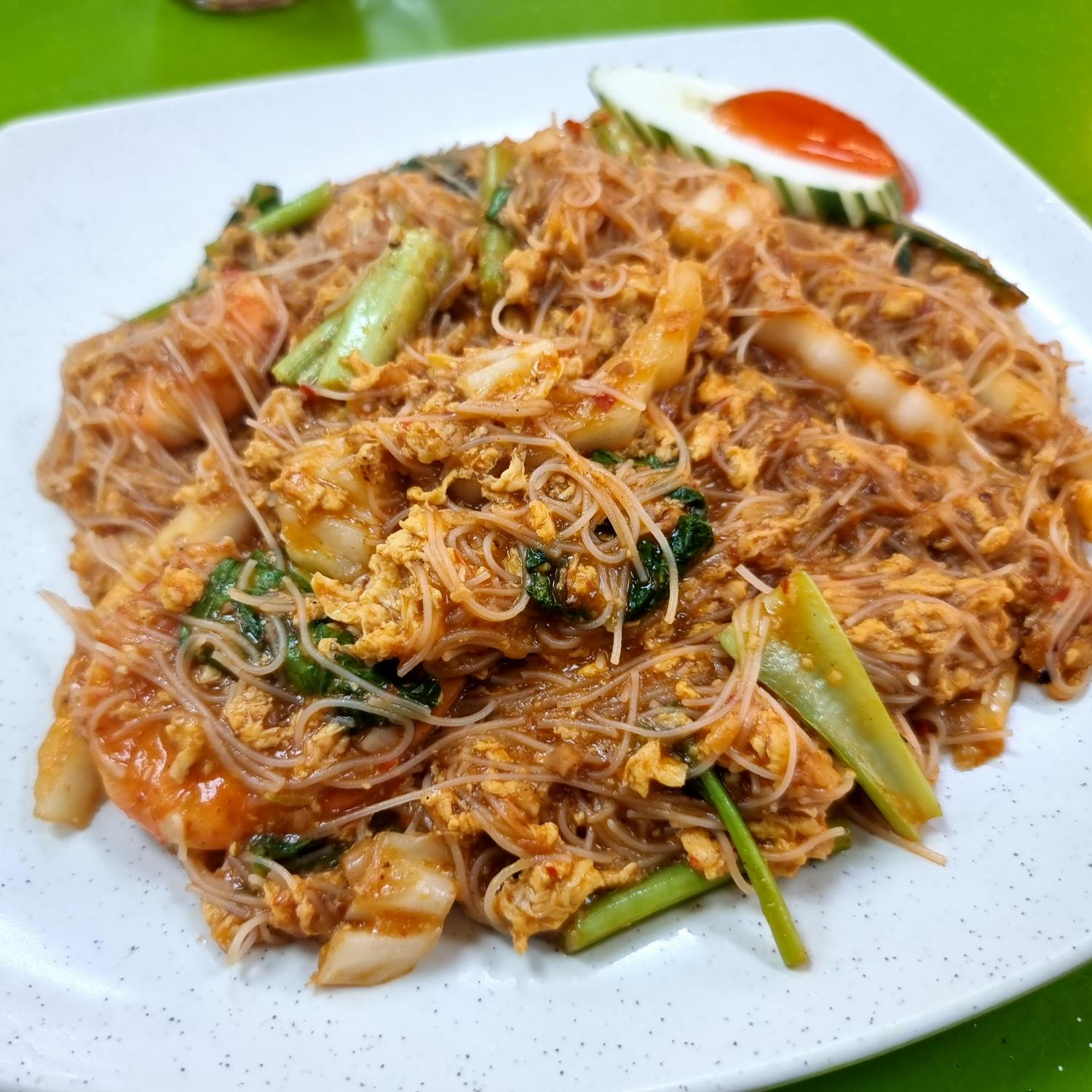
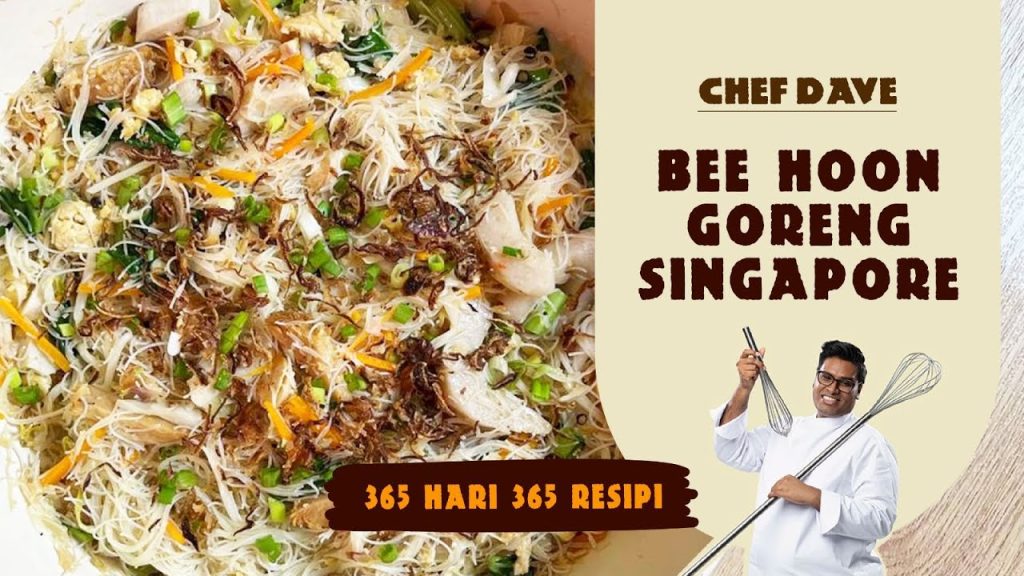

The allure of Bee Hoon Goreng lies in its comforting yet sophisticated profile. It’s a dish that can be enjoyed as a quick weeknight meal or a celebratory feast. The key to its success is the careful selection of ingredients and the precise execution of cooking techniques. This article will guide you through every step, from sourcing the freshest seafood to achieving that perfect, slightly chewy texture of the noodles.
The ‘Goreng’ aspect refers to the stir-frying process. This is where the magic happens, infusing the noodles and other ingredients with aromatic sauces and the signature ‘wok hei’ – the breath of the wok, a smoky, slightly charred flavor that is the hallmark of well-executed stir-fries.
The ‘Seafood’ element is where this dish truly shines. A generous inclusion of prawns, squid, and sometimes fish slices adds a layer of oceanic sweetness and a pleasing chewiness. The quality of the seafood is paramount; fresh, plump, and properly cleaned ingredients will make a significant difference in the final outcome.
Beyond the bee hoon and seafood, a symphony of aromatics and seasonings brings the dish to life. Garlic, shallots, and ginger form the foundational flavor base, sautéed until fragrant. Fresh chilies can be added for a touch of heat, while spring onions provide a fresh, pungent counterpoint.
The sauce is the unifying element, binding all the flavors together. A typical Singaporean Bee Hoon Goreng sauce often includes a blend of soy sauce (light and dark for color and depth), oyster sauce for umami richness, a touch of sugar to balance the saltiness, and sometimes a splash of Shaoxing wine for complexity. White pepper is also a common addition, offering a subtle warmth.
Preparing the ingredients is a crucial first step. Thoroughly wash and prepare your bee hoon according to package instructions, which usually involves soaking in hot water until pliable. Drain it well to prevent a watery stir-fry. Clean and devein your prawns, slice the squid into rings or strips, and cut any fish into bite-sized pieces.
Mince your garlic, shallots, and ginger. If using fresh chilies, slice them thinly. Chop your spring onions, separating the white parts from the green for staged addition during cooking.
For optimal stir-frying, it’s essential to have all your ingredients prepped and within easy reach of the stove. This is known as ‘mise en place’ and is fundamental to successful stir-frying, as the cooking process is very rapid.
Begin by heating your wok over high heat. Add a generous amount of cooking oil. Once the oil is shimmering, add the minced garlic, shallots, and ginger. Stir-fry for about 30 seconds until fragrant, being careful not to burn them.
If using fresh chilies, add them now and stir-fry briefly. Next, add the cleaned seafood. Stir-fry the prawns and squid until they just turn pink and opaque. Overcooking seafood will make it tough, so be swift.
Push the seafood to one side of the wok. Add the drained bee hoon to the other side. Pour the prepared sauce mixture over the noodles. Toss everything together gently, ensuring the noodles are evenly coated with the sauce and mixed with the seafood.
Continue to stir-fry, tossing the noodles and seafood for a few minutes until the bee hoon is heated through and has absorbed the sauce. If the noodles seem a bit dry, you can add a tablespoon or two of water or chicken broth to loosen them up.
Add the white parts of the spring onions and stir-fry for another minute. This adds a fresh layer of flavor and aroma.
Finally, stir in the green parts of the spring onions just before serving. This preserves their vibrant color and fresh crunch.
Taste and adjust seasoning if necessary. You might want to add a touch more soy sauce for saltiness, sugar for sweetness, or white pepper for warmth.
Serve the Singaporean Seafood Bee Hoon Goreng immediately while it’s hot and fragrant. The aroma alone is enough to make your mouth water.
For those who prefer a vegetarian or vegan version, the seafood can be omitted and replaced with firm tofu, shiitake mushrooms, and plenty of crisp vegetables like bok choy, bean sprouts, and carrots. The sauce can be adjusted by using vegetarian oyster sauce or a mushroom-based sauce.
Variations can also include different types of noodles. While bee hoon is traditional, some might experiment with thicker rice noodles or even egg noodles for a different textural experience, though this deviates from the classic Singaporean style.
The ‘Singaporean’ element often implies a certain balance and refinement. It’s not overly spicy by default, allowing the natural sweetness of the seafood and the savory notes of the sauce to take center stage. However, feel free to adjust the chili levels to your preference.
Achieving the perfect ‘wok hei’ is often a matter of practice and having a powerful enough stove. Ensure your wok is extremely hot before adding ingredients, and don’t overcrowd it. Stir-frying in batches if necessary can help maintain high heat and achieve that smoky char.
The quality of your soy sauces and oyster sauces also plays a significant role. Opt for reputable brands known for their authentic flavors. A good quality dark soy sauce will lend a beautiful mahogany hue to the dish.
For those concerned about gluten, ensure your soy sauce and oyster sauce are gluten-free. Bee hoon itself is naturally gluten-free, being made from rice.
Incorporating bean sprouts towards the end of the cooking process adds a delightful crunch and freshness. Toss them in for just the last minute to ensure they remain crisp.
A squeeze of fresh lime or a drizzle of chili oil just before serving can add an extra layer of brightness and zing, though this is often a personal preference rather than a traditional addition.
The beauty of Singaporean Seafood Bee Hoon Goreng is its adaptability. While the core recipe remains consistent, personal touches and ingredient adjustments can make it uniquely yours.
Consider the texture of your bee hoon. Over-soaking can lead to mushiness. It should be pliable but still have some structure before hitting the wok.
When stir-frying, keep the ingredients moving. This ensures even cooking and prevents any one component from sticking to the bottom of the wok.
The type of oil used can also impact the flavor. A neutral oil like vegetable or canola oil is standard, but some might opt for peanut oil for a slightly nuttier aroma.
The balance of sweet, savory, and umami is key. Taste as you go and don’t be afraid to make small adjustments to the sauce components.
This dish is best enjoyed fresh off the wok. Reheating can sometimes result in softer noodles, so it’s ideal to consume it immediately after preparation.
Sharing this dish is part of the experience. Its generous portions make it perfect for family meals or gatherings with friends, embodying the communal spirit of Singaporean dining.
Mastering Singaporean Seafood Bee Hoon Goreng is a rewarding culinary endeavor. It’s a dish that celebrates fresh ingredients, aromatic spices, and the art of the stir-fry, promising a delightful gastronomic adventure with every bite.