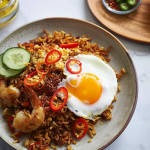
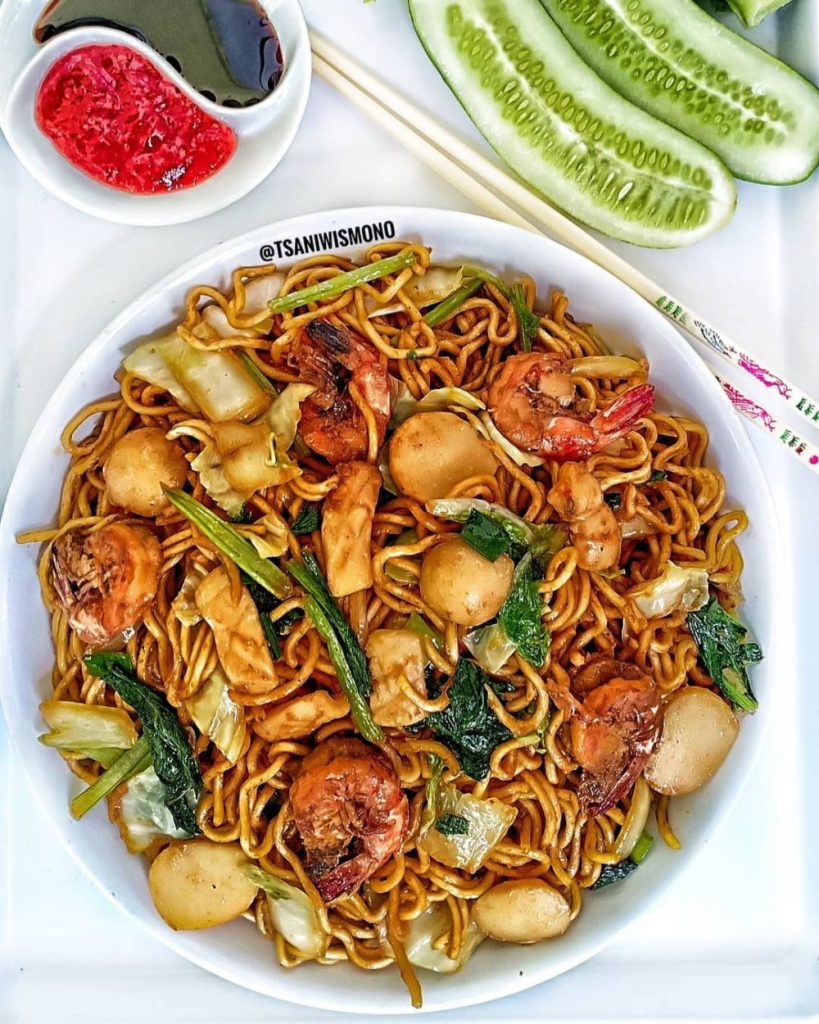

This recipe elevates the traditional Mie Goreng by incorporating a generous medley of fresh seafood, transforming it into a dish that is both satisfying and bursting with oceanic goodness. Imagine succulent prawns, tender squid, and flaky fish, all mingling harmoniously with perfectly cooked noodles and a vibrant array of vegetables. The result is a culinary masterpiece that is sure to impress your family and friends.
Before we dive into the intricacies of the recipe, let’s take a moment to appreciate the origins and cultural significance of Mie Goreng. Introduced to Indonesia by Chinese immigrants, Mie Goreng has evolved over time, incorporating local ingredients and flavors to become a distinctly Indonesian dish. Its versatility and adaptability have made it a staple in Indonesian cuisine, with countless variations catering to diverse tastes and preferences.
- 300g dried egg noodles or fresh Hokkien noodles
- 200g prawns, peeled and deveined
- 150g squid, cleaned and sliced into rings
- 150g white fish fillets (such as snapper or cod), cut into bite-sized pieces
- 1 tablespoon vegetable oil
- 2 cloves garlic, minced
- 1 small onion, thinly sliced
- 1 red chili, thinly sliced (adjust to your spice preference)
- 1 carrot, julienned
- 1/2 green bell pepper, sliced
- 1/2 red bell pepper, sliced
- 100g Chinese cabbage, shredded
- 2 tablespoons sweet soy sauce (kecap manis)
- 1 tablespoon soy sauce
- 1 tablespoon oyster sauce
- 1 teaspoon sesame oil
- 1/2 teaspoon white pepper
- Salt to taste
- Optional garnishes: fried shallots, chopped scallions, lime wedges
Step 1: Prepare the Noodles: Cook the egg noodles according to package directions. Drain well and set aside. If using fresh Hokkien noodles, rinse them under hot water to loosen them and set aside.
Step 2: Prepare the Seafood: In a bowl, combine the prawns, squid, and fish. Season with a pinch of salt and white pepper. This pre-seasoning ensures that the seafood is flavorful and complements the overall dish.
Step 3: Stir-Fry the Aromatics: Heat the vegetable oil in a large wok or skillet over medium-high heat. Add the minced garlic and sliced onion and stir-fry until fragrant and lightly golden brown. Be careful not to burn the garlic, as it can impart a bitter taste.
Step 4: Add the Chili and Vegetables: Add the sliced red chili (if using) and stir-fry for a few seconds to release its aroma. Then, add the julienned carrot, sliced bell peppers, and shredded Chinese cabbage. Stir-fry until the vegetables are slightly softened but still crisp-tender. The key is to maintain a vibrant color and texture in the vegetables.
Step 5: Cook the Seafood: Push the vegetables to one side of the wok or skillet and add the seasoned seafood. Stir-fry until the prawns turn pink and opaque, the squid is cooked through, and the fish is flaky. Avoid overcooking the seafood, as it can become rubbery.
Step 6: Combine the Noodles and Sauce: Add the cooked noodles to the wok or skillet. In a separate bowl, whisk together the sweet soy sauce (kecap manis), soy sauce, oyster sauce, and sesame oil. Pour the sauce over the noodles and seafood and stir-fry until everything is well combined and the noodles are evenly coated with the sauce. The sweet soy sauce is crucial for the signature Indonesian flavor.
Step 7: Season and Serve: Season with salt and white pepper to taste. Stir-fry for another minute or two to ensure that the flavors are well blended. Serve immediately, garnished with fried shallots, chopped scallions, and lime wedges (optional).
- Use fresh, high-quality seafood: The quality of the seafood directly impacts the flavor of the dish. Opt for fresh, sustainably sourced seafood whenever possible.
- Don’t overcook the noodles: Overcooked noodles can become mushy and unappetizing. Cook the noodles al dente and drain them well before adding them to the wok.
- Adjust the spice level to your preference: Feel free to adjust the amount of chili to suit your taste. If you prefer a milder dish, omit the chili altogether.
- Prepare the ingredients in advance: This will make the cooking process much smoother and more efficient. Chop the vegetables, prepare the seafood, and cook the noodles ahead of time.
- Use a hot wok or skillet: A hot wok or skillet is essential for achieving the characteristic stir-fried flavor. Make sure the wok is hot before adding the oil and ingredients.
- Add different types of seafood: Try adding mussels, clams, scallops, or crab meat to the mix.
- Incorporate other vegetables: Add mushrooms, bok choy, snow peas, or bean sprouts for added texture and flavor.
- Use different types of noodles: Experiment with different types of noodles, such as rice noodles, udon noodles, or glass noodles.
- Add a fried egg: Top your Mie Goreng with a fried egg for added richness and protein.
- Make it vegetarian: Substitute the seafood with tofu, tempeh, or mushrooms for a vegetarian version.
- Serve it with a side of steamed rice for a more substantial meal.
- Pair it with a refreshing salad for a balanced and flavorful combination.
- Serve it as part of a larger Indonesian feast, alongside other dishes such as nasi goreng, sate, and gado-gado.
- Garnish with a sprinkle of fried shallots and a squeeze of lime juice for added flavor and visual appeal.
In addition to its delicious flavor, seafood offers a wealth of health benefits. It is an excellent source of protein, omega-3 fatty acids, and essential vitamins and minerals. Omega-3 fatty acids are known to promote heart health, brain function, and reduce inflammation. Seafood is also a good source of vitamin D, which is essential for bone health and immune function.
Indonesian cuisine is a vibrant tapestry of flavors and influences, reflecting the country’s diverse culture and geography. From the fiery spices of Sumatra to the sweet and savory dishes of Java, Indonesian food offers something for everyone. Key ingredients in Indonesian cuisine include rice, noodles, spices, herbs, vegetables, and various types of meat and seafood.
Common cooking methods include stir-frying, grilling, steaming, and deep-frying. Indonesian dishes are often served with a variety of condiments and sauces, such as sambal (chili paste), kecap manis (sweet soy sauce), and peanut sauce.
Stir-frying is a fundamental cooking technique in many Asian cuisines, including Indonesian. It involves cooking ingredients quickly over high heat in a wok or skillet, while constantly stirring and tossing them. This method allows the ingredients to retain their texture and flavor, while also creating a delicious smoky aroma.
The key to successful stir-frying is to use a hot wok or skillet, add the ingredients in the right order, and stir-fry them quickly and efficiently. It’s also important to have all the ingredients prepared in advance, as the cooking process is very fast-paced.
- Kecap Manis (Sweet Soy Sauce): A thick, dark, and sweet soy sauce that is a staple in Indonesian cuisine.
- Sambal (Chili Paste): A fiery chili paste made from various types of chili peppers, garlic, shallots, and other ingredients.
- Terasi (Shrimp Paste): A fermented shrimp paste that adds a pungent and savory flavor to dishes.
- Galangal: A rhizome similar to ginger, with a citrusy and earthy flavor.
- Turmeric: A spice with a vibrant yellow color and a warm, slightly bitter flavor.
- Lemongrass: A fragrant herb with a citrusy and slightly sweet flavor.
These ingredients can be found in Asian grocery stores or online. Experimenting with these ingredients will allow you to create authentic and flavorful Indonesian dishes.
Seafood Mie Goreng Spesial is a culinary masterpiece that combines the best of Indonesian flavors and textures. With its succulent seafood, vibrant vegetables, and flavorful sauce, this dish is sure to impress your family and friends. So, gather your ingredients, fire up your wok, and embark on a culinary journey to Indonesia’s flavorful shores! Selamat Makan (Enjoy your meal)!