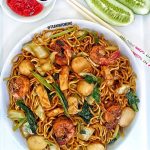
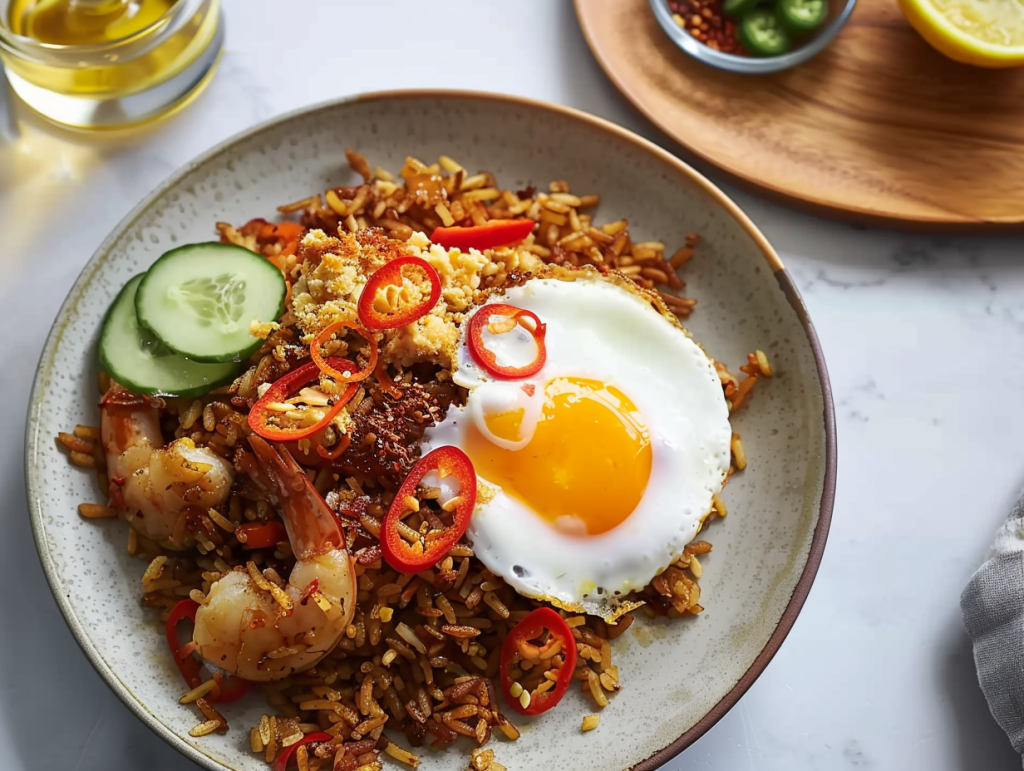

The secret to a truly "Enak" (delicious) Nasi Goreng lies not just in the ingredients, but in the technique and the balance of flavors. Unlike its Chinese counterpart, which often relies on light soy sauce and ginger, Indonesian Nasi Goreng is defined by its robust use of aromatics, chili, and the distinct sweetness of Kecap Manis (sweet soy sauce). When seafood enters the equation, the cooking process requires even more precision to ensure the proteins remain tender while the rice achieves that perfect smoky char.
The Foundation: Choosing the Right Rice
The most critical component of any fried rice dish is the rice itself. A common mistake many home cooks make is using freshly cooked, steaming hot rice. This invariably leads to a mushy, clumpy disaster. For the perfect texture, you must use day-old rice. Rice that has been refrigerated overnight has had time to retrograde, meaning the starch molecules have crystallized, making the grains firm and easily separable.
If you do not have leftover rice, you can cook a fresh batch, spread it out on a baking sheet, and place it in the refrigerator (uncovered) for at least two hours to dry out the surface moisture. Long-grain jasmine rice is typically preferred for its fragrance and ability to hold its shape under high heat, providing the ideal canvas for the bold spices of the dish.
The Seafood Selection
For a luxurious Seafood Nasi Goreng, variety and freshness are key. The two most common additions are shrimp (prawns) and squid (calamari). When selecting shrimp, opt for medium-sized varieties that are peeled and deveined but consider leaving the tails on for a more elegant presentation. The shrimp adds a natural sweetness that counteracts the savory shrimp paste used in the seasoning.
Squid requires a bit of preparation to ensure it doesn’t become rubbery. Clean the tubes thoroughly and slice them into rings. For a professional touch, you can score the inside of the squid in a cross-hatch pattern before slicing; this allows the sauce to cling better to the meat and creates a beautiful texture when cooked. You can also include scallops or firm white fish cubes, but ensure they are patted dry before cooking to prevent steaming the rice.
The Bumbu: The Heart of the Flavor
Indonesian cuisine is built upon the concept of Bumbu, or spice paste. You cannot achieve an authentic taste using only powder seasonings. For a rich base, you will need to create a paste using fresh shallots, garlic, and red chilies. Shallots are preferred over regular onions for their sweeter, more complex profile.
The secret weapon in Nasi Goreng is Terasi (shrimp paste). This pungent, fermented block of shrimp adds a deep, savory umami punch that is unmistakable. It must be toasted or cooked thoroughly to mellow its raw aroma and unlock its full flavor potential. A small amount goes a long way, but it is the ingredient that transforms a good fried rice into a great one.
The Holy Grail: Kecap Manis
Preparation and Mise en Place
Stir-frying is a fast-paced cooking method. Once the heat is on, you won’t have time to chop vegetables or measure sauces. Have your rice broken up and ready in a bowl. Mix your liquid seasonings—Kecap Manis, oyster sauce, light soy sauce, and a dash of fish sauce—in a small cup. Have your aromatics chopped or blended into a paste, and your seafood cleaned and dried.
The Cooking Process: Step-by-Step
Begin by heating a wok or a large skillet over high heat. Add a generous amount of neutral cooking oil. The first step is to cook the proteins. Sear the shrimp and squid quickly until they are just opaque, then remove them from the pan and set them aside. This prevents them from overcooking and becoming rubbery while you fry the rice.
In the same oil (which is now flavored by the seafood), add your spice paste (shallots, garlic, chili, and crumbled terasi). Sauté this mixture over medium heat until it becomes aromatic and the oil begins to separate from the paste. This step is crucial; if you rush it, the raw taste of the shallots and garlic will linger.
Adding the Eggs
Push the spice paste to the side of the wok and crack in two eggs. Let them set for a few seconds before scrambling them vigorously. Mixing the eggs into the spice paste creates a rich, creamy coating that will eventually cling to the rice grains.
The High Heat Toss
Now, crank the heat up to high. Add the day-old rice to the wok. This is where the physical work begins. You must toss and stir continuously to break up any remaining clumps and ensure every grain is coated in the oil and egg mixture. The goal is to achieve Wok Hei, the breath of the wok—a complex smoky flavor achieved by searing the food at high temperatures.
Seasoning and Caramelization
Pour your pre-mixed sauce blend (Kecap Manis, oyster sauce, etc.) around the rim of the wok so it sizzles before hitting the rice. This caramelizes the sugars in the sauce instantly. Toss the rice rapidly to distribute the color evenly. The rice should turn a beautiful, uniform golden-brown.
Reintroducing the Seafood
Once the rice is hot and steaming, return the pre-cooked seafood to the pan. Toss everything together for another minute to reheat the seafood and marry the flavors. At this stage, you can also add quick-cooking vegetables like frozen peas, diced carrots, or julienned cabbage for crunch and nutrition.
Final Adjustments
Taste your Nasi Goreng. Does it need more salt? Add a splash of light soy sauce. Is it too spicy? A pinch of sugar can help balance the heat. Is it lacking depth? A dash of white pepper powder is a traditional addition that adds a subtle, earthy heat.
Garnishing: The Essential Accompaniments
In Indonesia, Nasi Goreng is rarely served alone. It is almost always accompanied by a suite of garnishes that provide texture and contrast. The most common is Kerupuk (shrimp crackers), which offer a crispy counterpoint to the soft rice.
Fresh slices of cucumber and tomato are mandatory to provide a cooling, refreshing element that cuts through the oil and spice. Acar, a simple pickle made from cucumber, carrots, shallots, and bird’s eye chilies in vinegar and sugar, acts as a palate cleanser.
Finally, sprinkle a generous amount of Bawang Goreng (crispy fried shallots) over the top of the rice. These little golden flakes add an incredible aroma and a satisfying crunch that elevates the dish to restaurant quality.
Common Mistakes to Avoid
One major pitfall is overcrowding the wok. If you try to cook too much rice at once, the temperature of the pan drops, and the rice steams instead of frying. If you are cooking for a large family, it is far better to cook in batches to ensure that signature smoky flavor.
Another mistake is using too much liquid sauce. While Kecap Manis is essential, adding too much can make the rice soggy. It is better to rely on the spice paste for flavor and the sauces for seasoning and color. If the rice feels too wet, keep tossing it over high heat to evaporate the excess moisture.
Dietary Variations
While this guide focuses on seafood, the recipe is highly adaptable. If you have guests with shellfish allergies, you can substitute the shrimp paste (Terasi) with a mushroom-based stir-fry sauce or simply omit it and increase the garlic and soy sauce. The seafood can be replaced with chicken, beef, or tofu without changing the core cooking method.
Conclusion
Cooking a delicious Seafood Nasi Goreng is an art that rewards patience and preparation. By respecting the ingredients—using day-old rice, fresh seafood, and authentic spices—you can recreate the magic of Indonesian street food in your own kitchen. It is a dish that is robust, flavorful, and deeply satisfying.
Whether you are serving it for a quick weeknight dinner or as the centerpiece of an Asian-inspired feast, this dish is sure to impress. So, heat up your wok, gather your ingredients, and prepare to fill your kitchen with the irresistible aroma of authentic Indonesian fried rice. Selamat Makan!