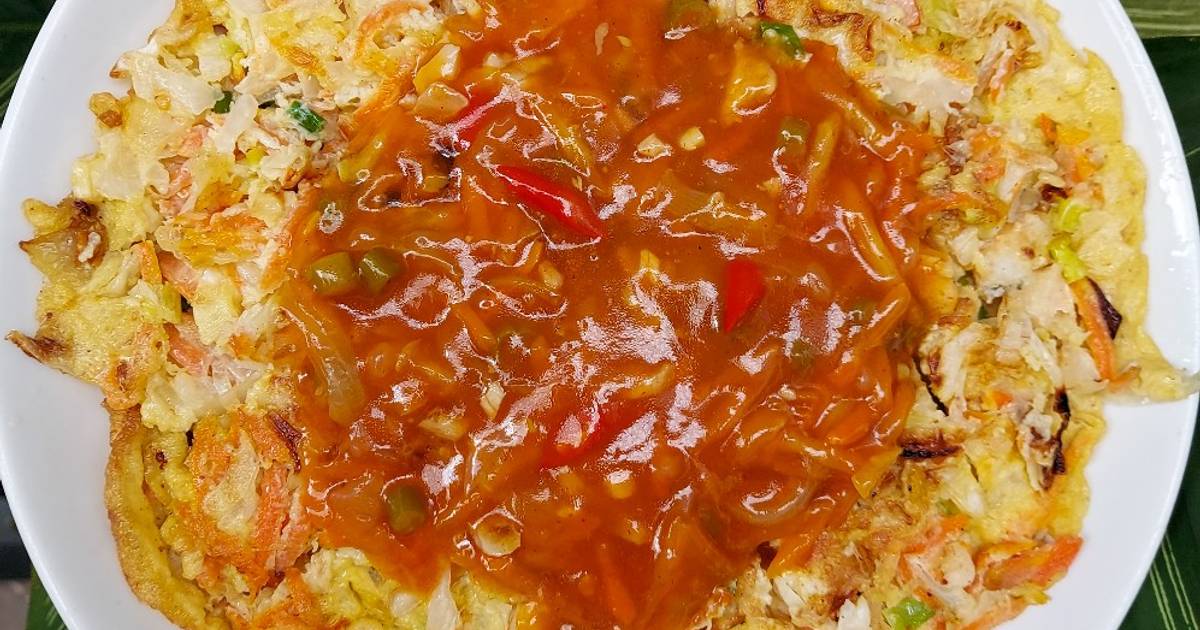
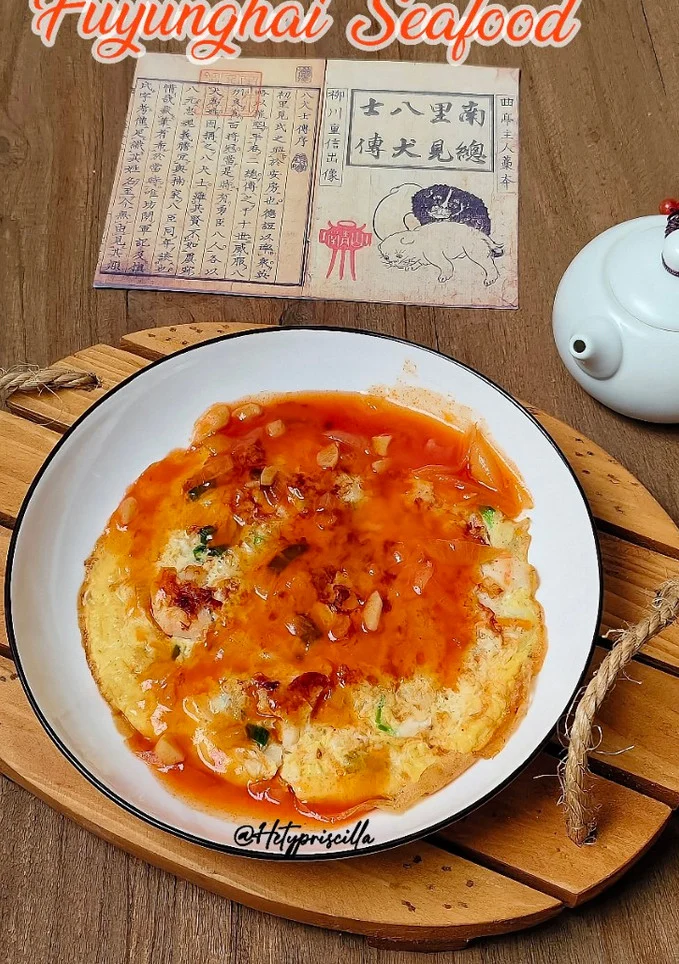

The allure of Fuyunghai lies in its versatility and the satisfying contrast it provides. The crispy exterior of the omelet gives way to a tender, flavorful interior, while the vibrant sweet and sour sauce cuts through the richness, creating a balanced and addictive taste profile. It’s a dish that appeals to a wide range of palates, making it a popular choice for family gatherings, casual dinners, and even special occasions.
Before we dive into the sauce, let’s briefly touch upon the Fuyunghai itself. The base is typically a mixture of eggs, often beaten with a touch of cornstarch or flour to achieve a lighter, crispier texture. Into this egg mixture, you’ll incorporate your chosen ingredients. For Seafood Fuyunghai, this usually means a combination of shrimp, crab meat (fresh or imitation), and sometimes squid or fish. Finely chopped vegetables like carrots, peas, onions, and spring onions add color, texture, and nutrients, enhancing the overall dish.
The frying technique is crucial for achieving that signature crispiness. Fuyunghai is often pan-fried in a generous amount of oil, ensuring even cooking and a golden-brown finish. Some recipes opt for deep-frying, which guarantees a uniformly crispy exterior, but pan-frying with sufficient oil can yield excellent results while being slightly more manageable for home cooks. The key is to maintain a consistent medium-high heat to cook the egg through without burning the outside.
Now, let’s shift our focus to the star of the show: the sweet and sour sauce. This sauce is not just an accompaniment; it’s an integral part of the Fuyunghai experience. A well-made sweet and sour sauce should strike a perfect balance between sweetness, tanginess, and a hint of savory umami. It should be glossy, slightly thickened, and have a vibrant color that complements the golden Fuyunghai.
The foundation of any great sweet and sour sauce is the combination of sweet and sour elements. Common sweeteners include sugar (white or brown) and sometimes honey or pineapple juice for added complexity. The sour component is typically derived from vinegar, with white vinegar, rice vinegar, or even apple cider vinegar being popular choices. The ratio of these two is critical and often adjusted to personal preference.
Beyond the primary sweet and sour components, several other ingredients contribute to the depth and complexity of the sauce. Soy sauce or tamari adds a savory, umami base. Ketchup is frequently used, not only for its tomato flavor and color but also for its inherent sweetness and acidity, contributing to a smoother, more palatable sauce. Worcestershire sauce can also be added for an extra layer of savory depth.
Thickening the sauce is essential to ensure it coats the Fuyunghai beautifully rather than running off. A slurry made from cornstarch and water is the most common and effective method. When added to the simmering sauce, the cornstarch granules hydrate and swell, creating a viscous, glossy texture. It’s important to add the slurry gradually and stir continuously to prevent lumps and achieve the desired consistency.
Aromatics play a vital role in building flavor. Finely minced garlic and ginger are often sautéed at the beginning of the sauce-making process to release their fragrant oils. This step infuses the sauce with a warm, pungent aroma that complements the seafood and egg.
The color of the sweet and sour sauce is also an important visual cue. The use of ketchup and sometimes a touch of soy sauce contributes to a rich, reddish-orange hue. Some recipes might add a tiny amount of red food coloring for an extra vibrant appearance, though this is entirely optional and often unnecessary if other ingredients are used judiciously.
Let’s break down a classic recipe for the sweet and sour sauce. You’ll typically start by sautéing your aromatics (garlic and ginger) in a little oil. Then, you’ll combine your liquid ingredients: water or broth, vinegar, sugar, soy sauce, and ketchup. Bring this mixture to a simmer.
Once simmering, it’s time to thicken. Whisk together your cornstarch and cold water until smooth. Slowly pour this slurry into the simmering sauce while whisking constantly. Continue to cook and stir until the sauce thickens to your desired consistency. It should be thick enough to coat the back of a spoon but still pourable.
For an authentic touch, consider adding pineapple chunks or juice to the sauce. The natural sweetness and acidity of pineapple lend a tropical flair and a more complex fruity note that pairs exceptionally well with seafood. If using canned pineapple, reserving some of the juice can be a fantastic way to incorporate its flavor into the sauce base.
Vegetables are often incorporated into the sauce itself, adding texture and visual appeal. Common additions include diced bell peppers (red, green, or yellow), onions, and sometimes peas or pineapple chunks. These vegetables are usually stir-fried briefly before being added to the sauce, or they can be simmered directly in the sauce until tender-crisp.
The preparation of the Fuyunghai itself requires careful attention. Whisk your eggs thoroughly. For a crispier result, you can add a tablespoon or two of cornstarch or all-purpose flour to the eggs. Season with salt and pepper. Gently fold in your prepared seafood (shrimp, crab meat) and finely chopped vegetables (carrots, peas, spring onions, onions).
Heat a generous amount of cooking oil in a non-stick skillet over medium-high heat. Once the oil is hot, carefully pour the egg mixture into the skillet, spreading it evenly to form a thick pancake. Cook for a few minutes on one side until the bottom is golden brown and set. Then, carefully flip the Fuyunghai using a spatula and cook the other side until golden brown and cooked through.
Alternatively, some prefer to cook the Fuyunghai in two stages: fry one side until golden, then flip and cook the other side partially before finishing it in the oven or steaming it covered to ensure the egg is cooked through without over-browning. This method can yield a more tender interior.
Once the Fuyunghai is cooked and golden brown on both sides, carefully remove it from the skillet and place it on a serving plate. Drain any excess oil if necessary. The Fuyunghai should be slightly puffed and have a delicate crispness.
Now, it’s time to bring it all together. Pour the prepared hot sweet and sour sauce generously over the Fuyunghai. Ensure it coats the entire surface, allowing some to drizzle down the sides. The heat from the sauce will slightly soften the crisp exterior, creating a delightful contrast.
Garnishes are the finishing touches that elevate the presentation and add extra flavor. A sprinkle of fresh spring onions or chopped cilantro adds a burst of freshness and color. Toasted sesame seeds can provide a nutty crunch. Some recipes also include a few slices of cucumber or tomato for a fresh, crisp element on the side.
For those seeking a healthier option, consider reducing the amount of oil used for frying the Fuyunghai. Baking or air-frying the Fuyunghai can also be alternatives, though they might result in a different texture compared to traditional pan-frying.
When it comes to the sweet and sour sauce, don’t be afraid to experiment with the ratios to suit your taste. If you prefer it tangier, increase the vinegar. If you like it sweeter, add more sugar. The key is to taste and adjust as you go.
The quality of your seafood ingredients will significantly impact the final dish. Using fresh, high-quality shrimp and crab meat will result in a more flavorful Fuyunghai. If using frozen seafood, ensure it is properly thawed and patted dry before adding it to the egg mixture to prevent excess moisture.
Consider the type of vinegar you use. Rice vinegar offers a milder, slightly sweeter acidity compared to white vinegar, which can result in a cleaner, more nuanced flavor profile for the sauce. Experimenting with different vinegars can lead to delightful variations.
The consistency of the sauce is paramount. Too thin, and it won’t cling to the Fuyunghai. Too thick, and it can become cloying. Aim for a consistency that is syrupy but still fluid enough to coat evenly. The cornstarch slurry is your best friend here, but remember to add it gradually.
A secret ingredient for some chefs is a splash of pineapple juice in the sauce. It adds a natural sweetness and a tropical tang that beautifully complements the seafood and the savory elements of the sauce. If you don’t have fresh pineapple, canned pineapple juice is a readily available substitute.
The vegetables in the Fuyunghai should be finely chopped to ensure they cook evenly within the egg mixture and don’t create large, unappealing pockets. Uniformity in size will also contribute to a more aesthetically pleasing final product.
When flipping the Fuyunghai, use a wide spatula and be confident. If it seems like it might break, you can gently press down on the edges to help it hold its shape. Cooking it in a good quality non-stick pan will make this process significantly easier.
The serving temperature of Fuyunghai is best when it’s hot. The warm sauce melds with the slightly softened exterior of the Fuyunghai, creating a harmonious blend of temperatures and textures. Serve immediately after saucing for the best experience.
For an elevated dining experience, consider serving your Seafood Fuyunghai with a side of steamed rice. The fluffy rice acts as a perfect canvas to soak up any extra sweet and sour sauce, making each bite a complete delight.
Don’t be discouraged if your first attempt isn’t perfect. Like any culinary art, mastering Fuyunghai and its sauce takes practice. Pay attention to the cooking times, the heat levels, and the consistency of your sauce. Each attempt will bring you closer to perfection.
In conclusion, creating an exceptional Seafood Fuyunghai with a delectable sweet and sour sauce is an achievable culinary goal. By understanding the interplay of ingredients, mastering the cooking techniques for both the Fuyunghai and the sauce, and paying attention to the finer details like balance and presentation, you can recreate this beloved dish in your own kitchen. Enjoy the process, savor the flavors, and impress your family and friends with your newfound Fuyunghai expertise!