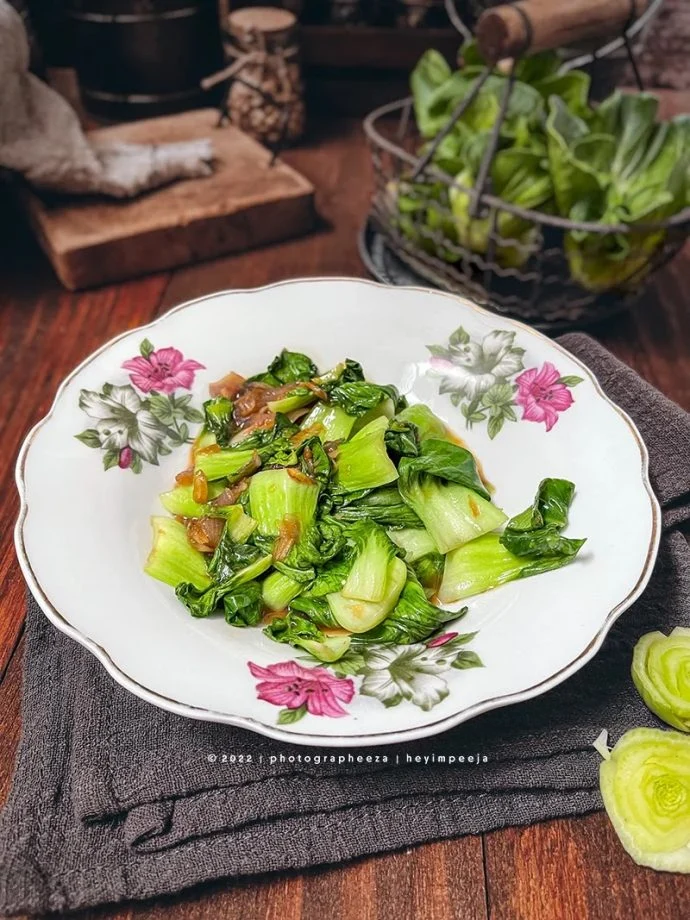

Seafood Pak Choy with Garlic, often referred to in Southeast Asia as ‘Seafood Pak Choy Bawang Putih,’ is a staple dish that perfectly balances health and flavor. It is a dish celebrated for its simplicity, yet it requires precise execution to achieve restaurant-quality results. The combination of crisp, verdant greens, succulent seafood, and aromatic garlic creates a textural symphony that appeals to a wide variety of palates.
While it may seem like a straightforward stir-fry, the difference between a mediocre home-cooked version and a professional-grade dish lies in the details. From the selection of the freshest produce to the timing of the wok, every step matters. This article serves as a comprehensive guide to mastering this culinary classic, ensuring your greens stay crunchy and your seafood remains tender.
The Nutritional Appeal
Beyond its delicious taste, this dish is a nutritional powerhouse. Pak Choy, a member of the cabbage family, is packed with vitamins A, C, and K, as well as essential minerals like calcium and magnesium. When paired with lean proteins found in seafood like shrimp and squid, you create a meal that is low in calories but high in nutrient density. The use of garlic adds not only flavor but also potential immune-boosting properties.
Selecting the Perfect Pak Choy
The foundation of this dish is the vegetable itself. When shopping for Pak Choy (or Bok Choy), look for heads that are vibrant and firm. The leaves should be a deep, rich green, showing no signs of yellowing or wilting. The stems should be pearly white or light green, depending on the variety, and must be crisp to the touch.
There are generally two types available: the larger, mature Pak Choy and the smaller ‘Baby’ Pak Choy. For this specific dish, Baby Pak Choy is often preferred due to its tender texture and sweeter flavor profile. It also presents beautifully on the plate, requiring less chopping than the larger variety. Avoid any bunches that have brown spots on the stems or slimy leaves, as these indicate the vegetable is past its prime.
Choosing High-Quality Seafood
The term ‘seafood’ in this dish is versatile, but the most common additions are shrimp, squid, and occasionally scallops. Freshness is non-negotiable. If you are using shrimp, ensure they are firm, with translucent shells and a mild, oceanic scent. Avoid shrimp that smell like ammonia or have black spots on their heads.
For squid, look for bright, clear eyes and firm flesh. If you are using frozen seafood, which is perfectly acceptable, ensure it is thawed slowly in the refrigerator overnight to maintain its texture. Rapid thawing in hot water can damage the proteins, leading to a rubbery final product.
Preparation: Cleaning and Cutting
Proper preparation is the secret to a clean-tasting dish. Pak Choy can trap sand and soil near the base of the stems. To clean them thoroughly, cut the base of the stem so the leaves separate, or if using Baby Pak Choy, slice them in half lengthwise. Soak the vegetables in a bowl of cold water for at least 10 minutes to allow any sediment to sink to the bottom, then rinse under running water.
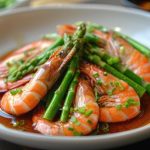
For the seafood, proper cleaning enhances both presentation and texture. Shrimp should be peeled and deveined. A popular technique is to make a shallow incision along the back of the shrimp; this not only removes the vein but also allows the shrimp to ‘butterfly’ or curl beautifully when cooked. Squid should be cleaned, skinned, and scored in a crosshatch pattern before being cut into bite-sized pieces. This scoring helps the sauce cling to the slippery meat.
The Art of Garlic: The Flavor Anchor
As the name ‘Bawang Putih’ suggests, garlic is the soul of this dish. You will want to use a generous amount. However, the preparation of the garlic is two-fold. First, you need minced garlic for the stir-fry sauce. Second, and perhaps most importantly, is the garnish of crispy fried garlic.
To make the crispy garlic topping, mince fresh garlic cloves uniformly. Heat oil in a wok over low-medium heat and add the garlic. It is crucial to cook this slowly. If the heat is too high, the garlic will burn and become bitter before it becomes crispy. Stir constantly until it turns a light golden brown, then immediately remove it from the oil. It will continue to cook slightly as it cools.
The Sauce Formulation
The sauce brings all the elements together. A classic sauce for this dish is savory, slightly sweet, and rich in umami. In a small bowl, combine high-quality oyster sauce, a splash of light soy sauce, a teaspoon of sugar, a dash of white pepper, and a drizzle of sesame oil. To ensure the sauce coats the ingredients rather than sliding off, incorporate a cornstarch slurry (cornstarch mixed with a little cold water).
Balance is key here. The oyster sauce provides the body, the soy sauce adds saltiness, and the sugar balances the salinity. If you prefer a lighter sauce, you can dilute the mixture with a small amount of chicken stock or water. Taste your sauce mixture before cooking; it should be slightly more intense than you want the final dish to be, as the water from the vegetables will dilute it slightly.
Technique: Blanching the Greens
One of the biggest mistakes home cooks make is stir-frying the Pak Choy for too long, resulting in soggy, greyish vegetables. The professional method involves blanching. Bring a large pot of water to a rolling boil. Add a pinch of salt and a teaspoon of oil to the water. The salt seasons the vegetable, while the oil creates a barrier that gives the leaves a glossy sheen.
Submerge the Pak Choy in the boiling water. If using Baby Pak Choy, they only need about 30 to 45 seconds. You want them to be ‘tender-crisp’—cooked through but retaining a snap. Immediately remove them and plunge them into an ice-water bath or rinse under cold running water. This ‘shocking’ process stops the cooking immediately and locks in the vibrant green chlorophyll.
Technique: Cooking the Seafood
Seafood requires high heat and speed. Using the same wok or pan, heat a small amount of oil until it is shimmering. Add your seafood. Do not overcrowd the pan, or the seafood will steam rather than sear. Cook the shrimp and squid until they just turn opaque—usually 2 to 3 minutes depending on size.
Overcooking seafood is a cardinal sin in culinary arts; it turns shrimp mealy and squid rubbery. Once cooked, remove the seafood from the pan and set it aside. This step ensures that the proteins remain tender while you finish the sauce.
Assembly: Bringing It Together
With the vegetables blanched and the seafood cooked, the final assembly is quick. Wipe out the wok and add a little of the garlic-infused oil you reserved from making the crispy garlic. Add a teaspoon of fresh minced garlic and sauté until fragrant.
Pour in your pre-mixed sauce. Let it bubble and thicken slightly, which should happen almost instantly due to the cornstarch. Add the seafood back into the pan and toss to coat. You generally do not need to toss the Pak Choy in the wok; instead, arrange the blanched greens on a serving platter.
Plating and Presentation
Visual appeal is a significant part of the dining experience. Lay the blanched Pak Choy on a large plate, arranging them in a uniform direction or a circular pattern. Pour the saucy seafood mixture directly over the center of the greens. The contrast between the white/pink seafood, the brown glossy sauce, and the bright green vegetables is visually striking.
The Final Touch: Garnishing
Sprinkle the reserved crispy garlic generously over the top of the dish. This adds a crucial textural element—a crunch that contrasts with the tender seafood and the crisp vegetables. You can also add a few slices of red chili for a pop of color and a hint of heat if desired.
Common Mistakes to Avoid
1. Not drying the vegetables: After washing, ensure the Pak Choy is relatively dry before blanching, and drained well after blanching. Excess water will dilute your rich sauce.
2. Burning the garlic: Garlic turns from golden to burnt in seconds. Always watch it closely and remove it from heat a moment before you think it’s done.
3. Using cold seafood: Adding fridge-cold seafood to a hot wok drops the temperature too rapidly. Let your proteins sit at room temperature for 10 minutes before cooking.
Variations of the Dish
While the classic recipe uses oyster sauce, there are variations to suit different diets. For a vegetarian version, substitute the seafood with shiitake mushrooms or tofu, and use vegetarian mushroom sauce instead of oyster sauce. For a spicy kick, infuse the oil with dried chili flakes or add a spoonful of XO sauce to the gravy.
Serving Suggestions
Seafood Pak Choy with Garlic is best served immediately. It pairs perfectly with steamed jasmine rice, which acts as a neutral canvas to soak up the savory garlic sauce. It can also be served alongside egg noodles or fried rice as part of a larger family-style meal.
Storage and Reheating
This dish is best enjoyed fresh. However, if you have leftovers, store them in an airtight container in the refrigerator for up to two days. Be aware that the garlic crust will lose its crunch and the vegetables may release more water upon reheating. Reheat gently in a pan rather than a microwave to preserve the texture of the seafood.
Conclusion
Mastering ‘Tips Membuat Seafood Pak Choy Bawang Putih’ is about respecting the ingredients and understanding the science of heat. By blanching your greens to preserve color and texture, and cooking your seafood quickly to maintain tenderness, you elevate a humble stir-fry into a gourmet experience. With these tips, you are well-equipped to impress your family or guests with a dish that is as healthy as it is delicious.