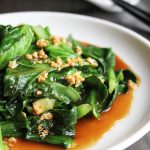


The foundation of this dish is ‘kangkung,’ also known as water spinach. This leafy green vegetable thrives in aquatic environments and possesses a unique, slightly tender-crisp texture when stir-fried. Its mild flavor makes it an excellent canvas for the robust belacan sauce.
‘Belacan,’ or shrimp paste, is the soul of this dish. This fermented paste, made from ground shrimp or krill, is intensely savory and pungent. While its aroma might be strong raw, cooking transforms it into a deeply flavorful umami bomb that is indispensable to many Southeast Asian stir-fries.
The ‘seafood’ component can vary, but commonly includes fresh shrimp (udang), which add a delightful sweetness and a tender bite. Other popular additions might include squid rings (cumi), small pieces of fish, or even mussels, each contributing its own unique texture and flavor profile.
This article will guide you through the process of creating an authentic and delicious Kangkung Belacan with Seafood in your own kitchen. We’ll delve into the essential ingredients, provide step-by-step instructions, offer tips for achieving the perfect stir-fry, and explore potential variations to suit your preferences.
Kangkung (Water Spinach): Select fresh, vibrant kangkung. Look for bright green leaves and crisp stems. Before cooking, thoroughly wash the kangkung and trim any tough or wilted parts. It’s often divided into leaves and tender stems, which are cooked slightly differently.
Belacan (Shrimp Paste): High-quality belacan is crucial. It typically comes in a block form and needs to be toasted or fried lightly before being incorporated into the sauce to mellow its pungency and enhance its aroma. You can find belacan in most Asian grocery stores.
Seafood: Freshness is paramount. For shrimp, peel and devein them, leaving the tails on for presentation if desired. For squid, clean it thoroughly and cut it into rings or bite-sized pieces. Ensure all seafood is properly prepared and ready to cook.
Aromatics: The flavor base is built with aromatics like garlic (bawang putih), shallots (bawang merah), and chilies (cabe). The type and quantity of chilies will determine the heat level of the dish. Bird’s eye chilies are common for a fiery kick, while larger red chilies offer a milder heat and vibrant color.
Sauce Components: Beyond belacan, the sauce typically includes soy sauce (kecap asin) for saltiness and depth, oyster sauce (saus tiram) for a touch of sweetness and umami, and sometimes a bit of sugar (gula) to balance the flavors. A splash of water or stock might be used to create the right consistency.
Cooking Oil: A neutral-flavored oil like vegetable oil or peanut oil is ideal for stir-frying.
-
Toasting the Belacan: Gently toast a small piece of belacan on a dry pan over low heat until fragrant. This step is critical for developing its complex flavor and reducing its raw intensity.
-
Preparing the Aromatics: Finely mince or pound garlic, shallots, and chilies. The consistency can be coarse or fine, depending on your preference.
-
Combining: Mix the toasted belacan with the minced aromatics. Some recipes call for pounding them together into a paste, while others simply mix them. This paste will be sautéed before adding the other ingredients.
Step-by-Step Recipe: Kangkung Belacan with Shrimp and Squid
This recipe focuses on a popular combination of shrimp and squid, offering a delightful contrast in textures.
Yields: 2-3 servings
Prep time: 20 minutes
Cook time: 10 minutes
- 500g kangkung, washed, trimmed, and separated into leaves and tender stems
- 150g fresh shrimp, peeled and deveined
- 100g squid, cleaned and cut into rings
- 3-5 cloves garlic, minced
- 2-3 shallots, thinly sliced
- 3-5 bird’s eye chilies (or to taste), thinly sliced
- 1 teaspoon belacan (shrimp paste), toasted and crumbled
- 2 tablespoons oyster sauce
- 1 tablespoon soy sauce
- 1/2 teaspoon sugar (optional)
- 2 tablespoons cooking oil
- 2-3 tablespoons water or chicken stock
In a mortar and pestle or a small bowl, combine the toasted belacan with the minced garlic, sliced shallots, and sliced chilies. Pound or mash until a coarse paste forms. Alternatively, you can finely mince all these ingredients and mix them together.
Heat the cooking oil in a wok or a large skillet over medium-high heat. Add the belacan paste and stir-fry for about 1-2 minutes until fragrant and slightly darkened. Be careful not to burn it.
Add the prepared shrimp and squid to the wok. Stir-fry for 1-2 minutes until the shrimp turn pink and opaque, and the squid is just cooked through. Overcooking seafood will make it tough, so be brief.
Toss in the kangkung stems. Stir-fry for about 1-2 minutes until they begin to soften slightly.
Add the kangkung leaves to the wok. Stir-fry vigorously for another 1-2 minutes until the leaves are wilted but still vibrant green. The stems should be tender-crisp.
Pour in the oyster sauce and soy sauce. Add sugar, if using. Stir well to combine all the ingredients and coat the kangkung and seafood evenly with the sauce.
If the dish seems too dry, add 2-3 tablespoons of water or chicken stock. Stir and cook for another minute until the sauce has slightly thickened and coats the ingredients beautifully.
Taste and adjust seasoning if necessary. Serve immediately with hot steamed rice. The vibrant colors and enticing aroma will make it a centerpiece of your meal.
- High Heat is Key: Stir-frying requires high heat to cook ingredients quickly, retaining their crispness and vibrant colors. Ensure your wok or pan is sufficiently hot before adding ingredients.
- Don’t Overcrowd the Pan: Cook in batches if necessary, especially if using a smaller pan. Overcrowding will steam the ingredients instead of stir-frying them, leading to a soggy texture.
- Prep Everything in Advance: Stir-frying is a fast process. Have all your ingredients washed, chopped, and measured before you start cooking.
- Balance of Flavors: Taste and adjust the seasoning at the end. The balance of salty, spicy, and savory is crucial.
- Freshness Matters: Use the freshest kangkung and seafood possible for the best flavor and texture.
- Belacan Intensity: The amount of belacan can be adjusted to your preference. If you are new to belacan, start with a smaller amount.
Vegetarian Kangkung Belacan: Omit the seafood and belacan. Instead, use a vegetarian shrimp paste (if available) or a generous amount of sautéed mushrooms and tofu for added texture and umami. Adjust the seasoning with vegetarian oyster sauce.
Kangkung Belacan with Fish: Use firm white fish fillets cut into bite-sized pieces. Add them after sautéing the belacan paste, cooking them gently until just opaque.
Spicier Version: Increase the number of bird’s eye chilies or add a pinch of chili flakes for an extra fiery kick.
Milder Version: Reduce the chilies significantly or use milder chili varieties. You can also deseed the chilies to lower the heat.
With Tofu: Add cubes of firm or fried tofu for a more substantial vegetarian option, or to supplement a meat/seafood version.
Adding Other Vegetables: While kangkung is traditional, you can add other quick-cooking vegetables like sliced bell peppers, bean sprouts, or snap peas for added color and crunch.
Kangkung Belacan is more than just a dish; it’s a staple that represents the vibrant street food culture and home cooking of Indonesia and its neighbors. It’s a dish often found in bustling night markets, humble warungs (small eateries), and family kitchens alike. Its popularity stems from its affordability, ease of preparation, and, most importantly, its irresistibly delicious flavor profile.
The use of belacan is deeply rooted in the culinary traditions of the Malay Archipelago. It’s a testament to resourcefulness, transforming a humble ingredient into a flavor powerhouse that defines countless regional dishes. When paired with kangkung, a readily available and versatile vegetable, it creates a synergy that has stood the test of time.
Serving Kangkung Belacan with Seafood alongside a plate of steaming white rice is a quintessential Indonesian dining experience. The rice acts as a perfect foil to the intense flavors of the stir-fry, allowing each component to shine while creating a balanced and satisfying meal.
Soggy Kangkung: This usually happens if the heat is too low, the pan is overcrowded, or the kangkung is overcooked. Ensure high heat, cook in batches, and stir-fry quickly.
Tough Seafood: Seafood, especially shrimp and squid, cooks very quickly. Overcooking is the main culprit. Add it towards the end of the cooking process and cook just until done.
Burnt Belacan Paste: Keep an eye on the belacan paste when sautéing. It can burn easily due to its concentrated nature. Stir continuously and ensure the heat is not too high.
Lack of Flavor: Ensure you’ve used enough belacan and that it was properly toasted. Also, don’t skimp on the aromatics. Adjusting the soy sauce and oyster sauce at the end can help boost the overall savoriness.
Kangkung Belacan with Seafood is a dish that embodies the spirit of Southeast Asian cooking – bold, flavorful, and wonderfully satisfying. With its straightforward preparation and customizable nature, it’s a perfect dish for both novice cooks and seasoned chefs looking to explore authentic Indonesian flavors. By mastering the technique and understanding the key ingredients, you can recreate this culinary classic in your own home, bringing a taste of the vibrant Indonesian culinary landscape to your table.
Whether you’re a fan of spicy food or looking to experiment with new flavor profiles, this Kangkung Belacan recipe offers a delightful adventure. Enjoy the process, savor the aromas, and most importantly, enjoy the delicious results!