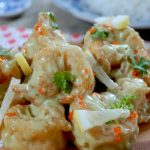


The allure of this dish lies in its complexity. It is simultaneously savory, sweet, creamy, and spicy, with a crunch that adds a delightful textural contrast. While it may seem like a restaurant-exclusive delicacy due to its elaborate presentation, mastering the art of making Butter Prawns at home is entirely achievable with the right guidance and understanding of the ingredients.
Understanding the Variations: Wet vs. Dry
Before diving into the cooking process, it is essential to distinguish between the two primary styles of Butter Prawns: the ‘Wet’ style and the ‘Dry’ style. The Wet style features a luscious, thickened sauce made primarily from evaporated milk and butter. It is rich, gravy-heavy, and perfect for soaking into steamed rice or dipping with fried mantou buns.
The Dry style, often considered the more technically challenging version, is famous for its ‘egg floss’ or ‘sarang’ (nest). In this version, egg yolks are deep-fried in butter and oil to create thin, crispy threads that resemble golden wool. The prawns are tossed in this floss along with aromatics, resulting in a dish that is less about sauce and more about texture and fragrance. This guide will cover the fundamentals of both, ensuring you have the versatility to cater to different preferences.
Selecting the Perfect Prawns
The star of the show is, undeniably, the prawn. For the best results, size matters. Large Tiger Prawns or King Prawns are ideal because they retain a firm, juicy texture even after high-heat frying. Smaller shrimp tend to overcook quickly and can become rubbery, which detracts from the premium feel of the dish.
When preparing the prawns, most chefs recommend keeping the shells on. The shell acts as a protective barrier, keeping the meat moist during the deep-frying process. Furthermore, the shells add a significant amount of umami flavor to the butter and oil, enhancing the overall taste of the dish. However, for ease of eating, you should use kitchen shears to trim the sharp legs, the rostrum (the spike on the head), and the tail tip. A crucial step is deveining the prawn by making a slit down the back, which also helps the flavors penetrate the meat.
The Importance of Aromatics
The soul of Butter Prawns lies in its aromatics. You cannot make an authentic version of this dish without fresh curry leaves. These leaves provide a distinct, musky, citrus-like aroma that cuts through the richness of the butter and dairy. Dried curry leaves simply do not offer the same punch; always seek out fresh ones from Asian grocers.
Garlic and chilies play supporting but vital roles. Finely chopped garlic adds a savory base note that grounds the sweetness of the dairy. Bird’s eye chilies (cili padi) are traditional and offer a sharp, piercing heat that balances the heavy fats. If you prefer a milder dish, you can substitute these with larger red chilies, which provide color without the intense burn.
Choosing the Right Butter
Given the name of the dish, butter is a non-negotiable ingredient. However, not all butter is created equal. For this recipe, salted butter is generally preferred over unsalted butter. The salt content helps to season the dish from the inside out and enhances the savory character of the sauce or floss.
If you only have unsalted butter, you will need to be more aggressive with your seasoning later on. It is also worth noting that butter has a low smoke point. When making the dry egg floss version, oil is often mixed with the butter to prevent it from burning while allowing the mixture to reach the high temperatures necessary for the eggs to crisp up.
The Dairy Component: Evaporated Milk
For the creamy ‘Wet’ version, evaporated milk is the secret ingredient. Unlike regular milk or heavy cream, evaporated milk has a unique, slightly caramelized flavor profile due to the removal of water content. It withstands heat relatively well and reduces into a thick, velvety sauce without curdling as easily as fresh milk.
Some modern variations might use heavy cream for a richer, westernized texture, but evaporated milk remains the gold standard for that authentic Southeast Asian taste. It provides a subtle sweetness that pairs exceptionally well with the savory butter and spicy chilies.
Technique: Deep Frying the Prawns
Regardless of whether you are making the wet or dry version, the prawns are usually cooked separately first. The goal is to flash-fry them. The oil must be hot—around 180°C (350°F). Deep frying seals the juices inside and crisps up the shell, which adds a wonderful texture.
Do not overcrowd the wok. Fry the prawns in batches if necessary. They only need about 2 to 3 minutes depending on their size. Once the shells turn a vibrant orange and the meat is opaque, remove them immediately and drain on paper towels. Overcooking is the enemy here; you want the prawns to remain springy, not mushy or tough.
Mastering the Egg Floss (The Dry Style Challenge)
Creating the golden egg floss is often the most intimidating part of the recipe for home cooks. The science involves pouring beaten egg yolks into hot, swirling oil and butter. The high heat causes the water in the eggs to evaporate instantly, expanding the proteins into thin threads.
To succeed, you need a wok with a good amount of oil and butter. Heat it until it is shimmering but not smoking. While swirling the oil vigorously with a ladle in one hand, slowly drizzle the beaten egg yolks from a height with the other hand. The height helps the stream of egg become thin before it hits the oil.
Continue whisking or stirring the oil rapidly as the egg falls in. This agitation prevents the egg from clumping into a scrambled mess and instead encourages long, fibrous strands. Once the mixture foams up and turns golden brown, you must act fast. Pour the contents through a metal sieve to separate the floss from the oil. Press down gently to drain excess grease.
Crafting the Creamy Sauce (The Wet Style)
The wet style is more forgiving but requires patience to achieve the right consistency. Start by melting a generous amount of butter in a clean wok. Sauté the garlic and curry leaves until they are fragrant and the leaves become slightly translucent and crisp at the edges.
Add the bird’s eye chilies and then pour in the evaporated milk. Bring the mixture to a gentle simmer. Season with sugar, a pinch of salt (if using unsalted butter), and perhaps a dash of chicken bouillon powder for extra umami. Let the sauce reduce. You want it to coat the back of a spoon. If it is too runny, it won’t cling to the prawns; if it is too thick, it becomes cloying.
Combining the Elements
Once your sauce or floss is ready, it is time to reintroduce the prawns. For the wet version, toss the fried prawns into the simmering sauce and cook for just another minute to let the flavors meld. The sauce should glaze the prawns beautifully.
For the dry version, clean the wok after draining the floss oil. Add a small knob of fresh butter, toss in the curry leaves and chilies to crisp them up, then add the prawns and the drained egg floss. Toss everything together quickly over medium heat. This step ensures the floss distributes evenly and warms the prawns back up without overcooking them.
Seasoning Adjustments
The flavor balance of Butter Prawns leans towards sweet and savory. Sugar is a critical component, especially in the dry version, where it adds a granular crunch and balances the saltiness of the butter and egg floss. Do not be afraid to taste and adjust. If it feels too heavy, a squeeze of lime juice at the very end can brighten the dish, although this is a non-traditional twist.
Common Mistakes to Avoid
One common pitfall is burning the butter. Butter solids burn quickly, turning the dish bitter. To prevent this, always keep the heat controlled or mix the butter with a neutral oil with a higher smoke point. Another mistake is using cold ingredients; ensure your eggs and milk are at room temperature to prevent drastic temperature drops in the wok.
In the context of the egg floss, ‘greasiness’ is a frequent complaint. This usually happens if the oil wasn’t hot enough when the eggs were added, or if the floss wasn’t drained properly. Ensure you use a fine-mesh strainer and give it ample time to drip dry, or blot it with kitchen paper.
Kitchen Tools Required
To make this dish successfully, a wok is highly recommended. The shape of the wok allows for deep frying with less oil and facilitates the swirling motion needed for the egg floss. A large metal spider strainer or sieve is essential for retrieving the prawns and draining the floss. A sturdy ladle is also necessary for creating the whirlpool effect in the oil.
Serving Suggestions
Seafood Butter Prawns are best served immediately. As the dish sits, the egg floss can lose its crispness, and the creamy sauce can congeal. Serve it alongside steaming hot jasmine rice, which acts as the perfect canvas for the rich flavors. Fried or steamed mantou buns are also an excellent accompaniment, used to mop up every drop of the delicious sauce.
Dietary Considerations
While this dish is naturally pescatarian, it is not vegan or dairy-free. However, substitutions can be made. Coconut milk can replace evaporated milk for a dairy-free creamy version, though the flavor profile will shift towards a curry. For a gluten-free version, ensure that any soy sauce or bouillon powder used is certified gluten-free, as the core ingredients (prawns, eggs, dairy, vegetables) are naturally free of gluten.
Storage and Reheating
Realistically, Butter Prawns is a dish that does not reheat well, particularly the dry version. The egg floss will become soggy, and the prawns may become rubbery upon reheating. If you must store leftovers, keep them in an airtight container in the refrigerator for up to two days. Reheat gently in a pan or an air fryer to try and revive some of the texture, but be warned that the quality will not match fresh preparation.
Conclusion: A Rewarding Culinary Project
Making Seafood Butter Prawns at home is a rewarding culinary project. It allows you to control the quality of the ingredients and adjust the spice levels to your liking. The visual impact of the golden floss or the creamy sauce makes it a fantastic centerpiece for dinner parties or festive occasions.
By following this guide, you move beyond simply following a recipe to understanding the techniques that define Southeast Asian wok cooking. Whether you choose the rich, comforting wet style or the spectacular, crispy dry style, the result is guaranteed to be a crowd-pleaser that transports you straight to the vibrant food streets of Malaysia and Singapore.