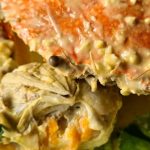


This dish is a staple of ‘Zi Char’ (cook and fry) dining culture, where home-style dishes are elevated with intense heat and bold flavors. The magic of Marmite Crab lies in the alchemy of cooking. When the intensely salty yeast extract is combined with maltose, honey, and soy sauce, and then caramelized under high heat, it loses its harsh edge. Instead, it evolves into a sticky, glossy, umami-laden glaze that coats the sweet, delicate flesh of fresh crab perfectly.
For seafood enthusiasts looking to expand their repertoire beyond the standard Chili Crab or Black Pepper Crab, the Marmite version offers a sophisticated alternative. It balances sweet and savory notes in a way that highlights the natural sweetness of the crustacean without overpowering it with spice. In this comprehensive guide, we will explore every aspect of creating this masterpiece, from selecting the perfect catch to mastering the wok.
Understanding the Star Ingredient: Marmite
To cook this dish successfully, one must understand the primary flavoring agent. Marmite is a byproduct of beer brewing, essentially a concentrated yeast extract. It is rich in B vitamins and packed with free glutamates, which are responsible for the ‘umami’ or fifth taste. In its raw state, it is thick, dark, and overwhelmingly salty.
In the context of Chinese cooking, Marmite functions similarly to bean pastes or oyster sauce but with a unique, malty depth. When heated and mixed with sweeteners, the yeast extract provides a savory backbone that mimics the complexity of a slow-cooked meat reduction. This is why the sauce is often described as having a ‘barbecue-like’ quality, despite containing no smoke or meat products.
Selecting the Best Crab
The foundation of any great seafood dish is the freshness of the produce. For Marmite Crab, the preferred variety is the Mud Crab (Scylla serrata). These crabs are prized for their thick shells, massive claws, and sweet, firm meat that holds up well to deep-frying and vigorous stir-frying.
When selecting a mud crab at the market, look for liveliness. A healthy crab should be aggressive and reactive when touched. Avoid crabs that appear lethargic or have limp limbs. Weight is another crucial indicator; the crab should feel heavy for its size. A light crab often indicates that it has recently molted and will be full of water rather than meat.
You must also decide between male and female crabs. Male crabs generally have larger claws and sweeter meat, making them the preferred choice for this specific recipe where the meat is the highlight. Female crabs are sought after for their roe, but the rich, sticky Marmite sauce pairs better with the chunks of white meat found in the males.
Preparation: Cleaning and Humane Dispatch
Handling live mud crabs can be intimidating due to their powerful pincers. Safety is paramount. It is recommended to place the crab in the freezer for about 30 to 45 minutes before preparation. This puts the crab into a state of dormancy, allowing for humane dispatching and safer handling without affecting the texture of the meat.
Once the crab is dormant, clean the shell thoroughly using a kitchen brush under running water to remove any mud or moss. Remove the top shell (carapace) by pulling it from the back. Remove the spongy grey gills (often called ‘dead man’s fingers’) and the abdominal flap, as these are inedible and can harbor bacteria.
Cut the body into quarters or halves, depending on the size. A crucial step often missed by home cooks is cracking the claws. Use the back of a cleaver or a seafood mallet to gently crack the shell of the large claws. This serves two purposes: it prevents the claws from exploding during deep-frying due to pressure buildup, and it allows the delicious Marmite sauce to penetrate deep into the meat.
The Marinade and Coating
Unlike steaming, where the crab is cooked naked, this recipe requires a light coating. Dusting the crab pieces with cornstarch or potato starch is essential. This thin layer of starch protects the delicate flesh from the intense heat of the oil and creates a textured surface for the sauce to cling to.
Before dusting, some chefs prefer to marinate the crab chunks with a splash of Shaoxing wine and a pinch of white pepper. This helps to neutralize any potential ‘fishy’ odors and adds a subtle layer of fragrance. Ensure the crab is not too wet before applying the starch to avoid clumping.
The Cooking Technique: Flash Frying
The secret to the texture of restaurant-style crab is ‘flash frying’ or ‘oil blanching.’ This involves submerging the crab pieces in hot oil (around 180°C or 350°F) for a short period, usually 2 to 3 minutes. The goal is not to cook the crab all the way through instantly, but to seal the juices and crisp up the starch coating.
Deep-frying changes the chemical structure of the shell, releasing distinct roasted aromas that you cannot achieve through boiling or steaming. The crab shells should turn a vibrant, bright orange almost immediately. Once the starch coating is crisp and golden, remove the crab and drain it on paper towels. Do not overcook it at this stage, as it will be cooked again in the sauce.
Constructing the Marmite Sauce
The sauce is the heart of this recipe. It requires a delicate balance of salty, sweet, and savory. The standard ratio involves Marmite, maltose (or honey), soy sauce, sugar, and a touch of oyster sauce. Maltose is traditional in Chinese kitchens; it is incredibly thick and sticky, giving the sauce a glossy sheen that honey alone cannot replicate.
If you cannot find maltose, honey is an acceptable substitute, though the sauce may be slightly runnier. To add depth, minced garlic, ginger, and curry leaves are often used as aromatics. Curry leaves, in particular, add a fragrance that bridges the gap between the Western origin of Marmite and the Southeast Asian palate.
The Stir-Fry Process
To assemble the dish, heat a clean wok over medium heat. Add a small amount of oil and sauté the minced garlic and ginger until fragrant. If using curry leaves or dried chilies for a spicy kick, add them now. The oil should be infused with these aromatics before the liquid sauce ingredients are introduced.
Pour in the pre-mixed sauce ingredients. The mixture will bubble vigorously. This is a critical moment; you must allow the sugars to caramelize slightly to develop flavor, but you must be careful not to burn the Marmite, which is already bitter by nature. Stir continuously until the sauce thickens to a syrup-like consistency.
The Final Toss: Wok Hei
Once the sauce is bubbling and thick, return the pre-fried crab pieces to the wok. Increase the heat to high. This is where you attempt to achieve ‘Wok Hei’ (breath of the wok). Toss the crab rapidly, ensuring every crevice and shell is coated in the sticky, dark glaze.
The high heat during this final stage helps the sauce adhere to the starch coating on the crab. If the sauce is too thin, it will slide off; if it is too thick, it won’t coat evenly. If you find the sauce overly thick, a splash of water or chicken stock can loosen it. Toss for about 1-2 minutes until the crab is heated through and sticky.
Plating and Presentation
Marmite Crab is a dish best served immediately. Transfer the crab to a large serving platter, arranging the pieces to resemble the whole crab if possible, with the top shell placed on top for presentation. The sauce should be clinging to the shells, glistening under the lights.
Garnish is simple yet effective. Fresh cilantro (coriander) provides a burst of color and a fresh herbal note to cut through the richness. Toasted sesame seeds can also be sprinkled on top for added texture and nuttiness. Serve with a side of finger bowls with lime and water, as this is a hands-on dish.
The Essential Accompaniment: Mantou
No sauce-heavy crab dish is complete without ‘Mantou’. These are Chinese steamed buns that are often deep-fried until golden brown. The exterior is crisp, while the interior remains fluffy and soft.
The fried mantou serves as a vessel for the excess sauce. The sweet, yeasty dough of the bun complements the salty, savory Marmite glaze perfectly. Dipping a hot, crispy bun into the thick sauce is often considered the highlight of the meal, rivaling the crab itself.
Flavor Variations
While the classic recipe is timeless, adventurous cooks can introduce variations. Spicy Marmite Crab involves adding chopped bird’s eye chilies or a spoonful of chili paste to the sauce for a ‘swicy’ (sweet and spicy) profile. Black Pepper Marmite is another fusion, adding crushed peppercorns for an earthier heat.
For those who cannot consume shellfish or find crab too cumbersome to prepare, this sauce works exceptionally well with other proteins. ‘Marmite Chicken’ is a very popular household dish, using bite-sized pieces of fried chicken thigh. Prawns and pork ribs are also excellent candidates for this glaze.
Nutritional Considerations
It is worth noting that Marmite Crab is an indulgence. While crab meat itself is lean and high in protein, Vitamin B12, and selenium, the preparation method involves deep-frying and a sauce high in sugar and sodium. It is a celebratory dish, meant to be shared among family and friends rather than a daily staple.
To make a slightly healthier version, one could air-fry the marinated crab pieces instead of deep-frying them, though the texture of the coating will differ. Reducing the amount of maltose and soy sauce can lower the sugar and sodium content, but this will alter the signature viscosity and flavor profile of the dish.
Troubleshooting Common Mistakes
A common pitfall is a watery sauce. This usually happens if the crab was not drained properly after frying or if too much liquid was added to the sauce base. Remember, the sauce relies on reduction and the viscosity of maltose. If it is too runny, remove the crab and reduce the sauce further on high heat.
Another issue is bitter sauce. Marmite can turn unpleasantly bitter if burned. Ensure your wok is not smoking hot when you pour the sauce in, and keep the liquid moving. If the sauce tastes too salty, balance it with more sugar or a splash of vinegar; do not add water, as this dilutes the flavor without fixing the balance.
Conclusion
Mastering the Resep Seafood Marmite Crab is a journey into the heart of Asian fusion cooking. It demonstrates how a humble, foreign ingredient can be embraced and transformed into something spectacular. The contrast between the crisp shell, the tender sweet meat, and the sticky, savory glaze creates a sensory experience that is hard to beat.
Whether you are cooking for a special occasion or simply craving the bold flavors of a Zi Char restaurant, this dish delivers. With fresh ingredients, careful preparation, and the courage to wield the wok with high heat, you can recreate this iconic seafood delicacy in your own kitchen. So, grab a jar of Marmite, a fresh mud crab, and get ready to impress your guests with a dish that is truly finger-licking good.