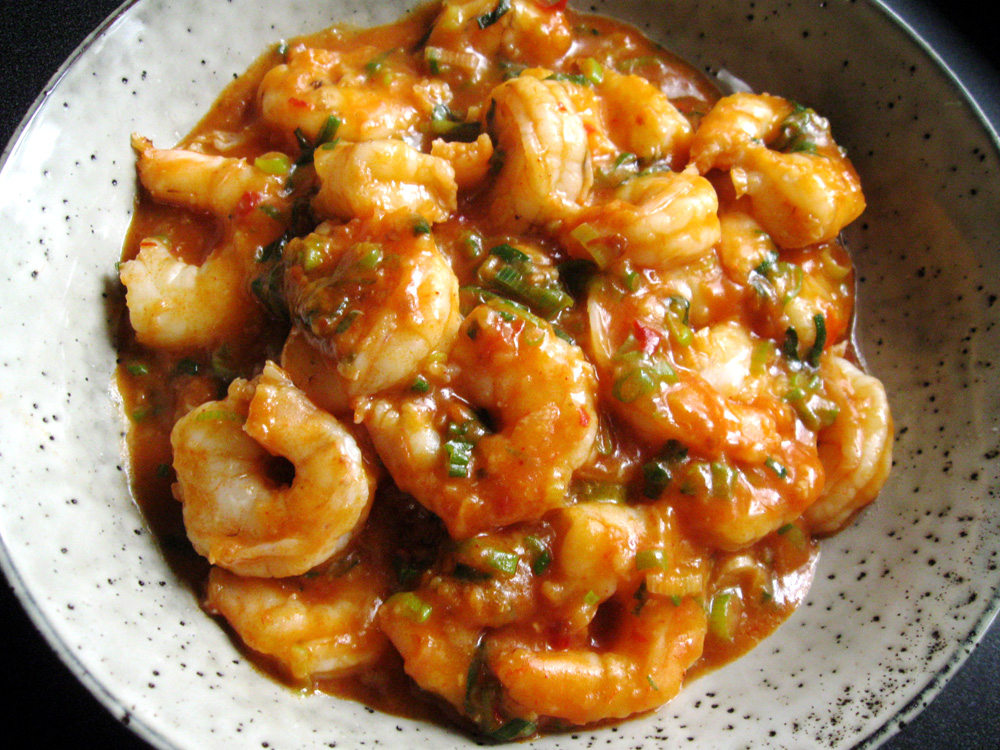


The allure of Ebi Chilli Prawns lies in its versatility and the intensity of its flavor profile. It can be enjoyed as a standalone appetizer, a flavorful main course served with steamed rice, or even as a component in larger celebratory meals. The key to its success is the balance of ingredients and the skillful cooking process that ensures the prawns remain tender while the sauce is deeply flavorful.
At its core, this dish is about celebrating the natural sweetness of fresh prawns, amplified by a symphony of aromatic spices and the distinctive kick of chili. The ‘ebi’ component, dried shrimp, is a crucial element that lends a unique umami depth, a savory essence that is hard to replicate with fresh ingredients alone. When rehydrated and pounded or finely chopped, these tiny dried morsels transform into flavor powerhouses.
Embarking on the journey to create authentic Ebi Chilli Prawns begins with selecting the finest ingredients. Freshness is paramount when it comes to seafood. Opt for plump, firm prawns with a vibrant color and a clean, oceanic aroma. Avoid prawns that appear dull, mushy, or have a strong ammonia smell, as these are signs of staleness.
The size of the prawns can also influence the cooking time and the overall eating experience. Medium to large prawns are generally preferred as they hold their shape well during cooking and provide a satisfying bite. Smaller prawns can become overcooked quickly, while excessively large ones might require longer cooking, potentially drying them out.
Beyond the prawns, the quality of your chili paste is critical. A good chili paste forms the backbone of the sauce. While store-bought pastes can be convenient, making your own from scratch offers unparalleled control over the heat level and flavor complexity. The base typically includes fresh red chilies (a mix of bird’s eye chilies for heat and larger red chilies for color and milder flavor), shallots, garlic, and often a touch of belacan (shrimp paste) for an extra layer of umami.
The ‘ebi’ itself requires attention. Good quality dried shrimp can be found in Asian markets. Look for plump, reddish-brown dried shrimp. They should be rinsed thoroughly to remove any dust or debris, then soaked in warm water until softened. Once rehydrated, they are typically pounded into a paste using a mortar and pestle or finely chopped. This process releases their concentrated flavor.
The aromatic foundation of the sauce is built with ingredients like finely chopped garlic and shallots. These aromatics are sautéed until fragrant, releasing their sweet and pungent notes that complement the chili and ebi beautifully. Ginger and sometimes lemongrass are also common additions, adding brightness and a subtle citrusy undertone.
For the sauce’s liquid base, water or chicken broth is typically used. However, some recipes incorporate a touch of tomato paste or ketchup for added sweetness, acidity, and a richer color. Soy sauce and fish sauce are essential for salinity and depth of flavor, while sugar (palm sugar is often preferred for its caramel notes) balances the heat and acidity.
Preparing the prawns involves a few simple steps. They are usually peeled and deveined, leaving the tail on for visual appeal and easier handling. A quick marinade, sometimes with a bit of cornstarch, can help create a slight coating that allows the sauce to adhere better and keeps the prawns moist during cooking.
The cooking process itself is often a rapid stir-fry. The aromatics are sautéed first, followed by the chili paste and rehydrated ebi. Once the chili paste is cooked down and fragrant, the prawns are added and stir-fried quickly until they turn pink and opaque. Overcooking is the enemy here; the goal is to cook the prawns just until done to maintain their succulent texture.
A crucial step in developing the sauce’s flavor is to ‘fry’ the chili paste properly. This involves cooking it over medium heat for several minutes until the oil separates from the paste, a process that mellows the raw chili flavor and deepens its sweetness and aroma. This stage is vital for achieving that authentic, restaurant-quality taste.
The addition of liquids and seasonings follows the frying of the chili paste. Once the sauce base is established, the prawns are introduced. The residual heat of the wok or pan cooks the prawns rapidly, ensuring they don’t become tough. It’s a dynamic process where every ingredient plays a specific role in creating the final dish.
To achieve the desired consistency of the sauce, a thickening agent like cornstarch slurry (cornstarch mixed with water) can be used. This helps the sauce cling beautifully to the prawns, ensuring each bite is coated in flavor. The amount used depends on personal preference – some prefer a saucier dish, while others like it thicker and more concentrated.
Serving Ebi Chilli Prawns is typically done immediately after cooking to enjoy the prawns at their peak tenderness. It’s traditionally accompanied by fluffy steamed white rice, which serves as a perfect canvas to absorb the rich, spicy sauce. A side of fresh cucumber slices or a simple salad can offer a refreshing contrast to the dish’s heat.
Variations of this dish abound. Some recipes might include other seafood like squid or fish balls. Vegetables such as bell peppers, onions, or snap peas can be added for color, texture, and nutritional value. The spice level can be adjusted by altering the type and quantity of chilies used, making it suitable for a wider range of palates.
For those who prefer a milder version, reducing the number of bird’s eye chilies and relying more on larger red chilies and perhaps a touch of paprika can achieve a pleasant warmth without overwhelming heat. Conversely, for chili aficionados, increasing the proportion of bird’s eye chilies or adding a dash of chili oil can elevate the spice factor.
The use of belacan (shrimp paste) is another point of variation. While it adds an undeniable depth of flavor and aroma, its pungent nature can be polarizing. Some recipes omit it or use it sparingly, while others consider it indispensable for authentic flavor.
Learning to cook Ebi Chilli Prawns is an enriching culinary experience. It opens the door to understanding the fundamental flavor principles of Southeast Asian cuisine – the interplay of sweet, sour, salty, and spicy, enhanced by aromatic spices and umami-rich ingredients.
Proper storage of Ebi Chilli Prawns is important if you happen to have leftovers. It’s best stored in an airtight container in the refrigerator for up to two days. Reheat gently on the stovetop or in the microwave, being careful not to overcook the prawns.
When it comes to presentation, garnishes can elevate the dish. A sprinkle of fresh cilantro, thinly sliced spring onions, or a few chili slivers can add visual appeal and a burst of freshness.
The history of dishes like Ebi Chilli Prawns is often intertwined with trade routes and cultural exchange. Dried shrimp, a staple preservation method, has been used for centuries, lending its unique flavor to countless regional dishes across Asia.
The term ‘Ebi’ itself is Japanese for shrimp, but in the context of Southeast Asian cooking, it often refers specifically to dried shrimp, highlighting the ingredient’s importance in the culinary landscape.
Mastering the art of stir-frying is beneficial for this dish. A well-seasoned wok heated to the right temperature allows for quick cooking, ensuring the prawns are perfectly done and the sauce has that characteristic glossy sheen.
For those with dietary restrictions, modifications can be made. Gluten-free soy sauce or tamari can be used instead of regular soy sauce. For a vegetarian or vegan alternative, firm tofu or tempeh could be substituted for prawns, although the ‘ebi’ component would need to be omitted or replaced with a vegan umami booster like mushroom powder.
The aroma that fills the kitchen as Ebi Chilli Prawns cooks is a testament to its deliciousness. The sizzle of the aromatics, the fragrant chili, and the sweet scent of the prawns create an intoxicating olfactory experience.
Consider the texture. The perfect Ebi Chilli Prawns should have tender, succulent prawns with a sauce that is rich, slightly viscous, and coats everything evenly. The subtle chewiness of the rehydrated ebi adds another textural dimension.
The educational value of making this dish extends beyond just following a recipe. It encourages an understanding of ingredient synergy and the impact of cooking techniques on flavor and texture.
Ultimately, Ebi Chilli Prawns is more than just a meal; it’s an experience. It’s a celebration of bold flavors, fresh ingredients, and the joy of creating something truly delicious from scratch. Whether you’re a seasoned cook or a beginner, this dish is a rewarding culinary adventure.
The visual appeal of the dish is also noteworthy. The vibrant red of the chili sauce, the pink of the perfectly cooked prawns, and the green of any garnishes create a feast for the eyes, promising a delightful culinary journey.
To truly appreciate the dish, consider pairing it with beverages that complement its spicy nature. A cold glass of water, iced tea, or even a light lager can help to temper the heat and cleanse the palate between bites.
The success of Ebi Chilli Prawns hinges on a few key principles: fresh ingredients, proper preparation of the chili paste and ebi, and a swift, high-heat cooking method. By understanding and applying these, you can recreate this beloved dish with confidence.
This dish is a perfect example of how simple ingredients, when combined with skillful technique and a thoughtful balance of flavors, can result in a dish that is both complex and incredibly satisfying. It’s a testament to the richness and diversity of Southeast Asian culinary traditions.
Enjoy the process of making Ebi Chilli Prawns. The journey from raw ingredients to a finished, flavorful dish is a rewarding one, and the delicious results are sure to impress.