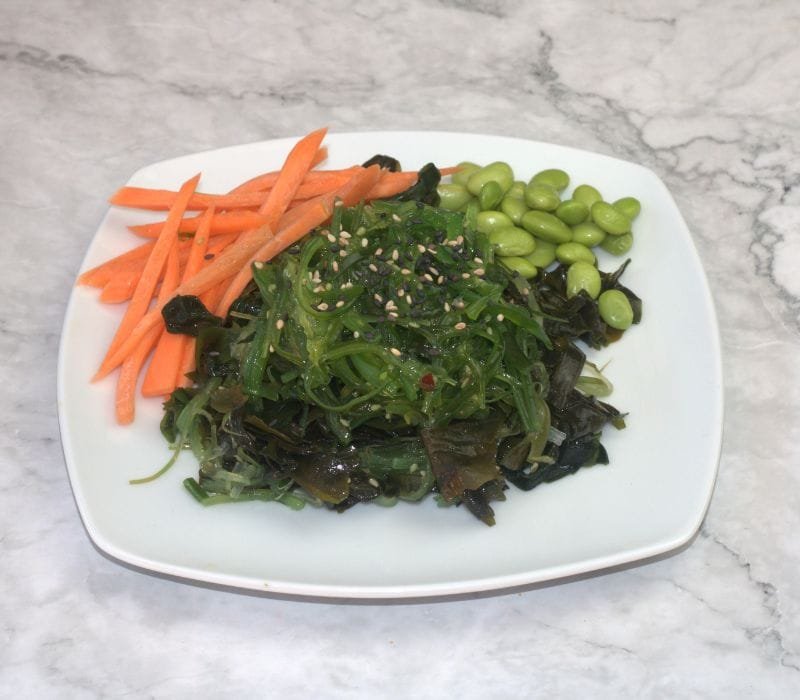
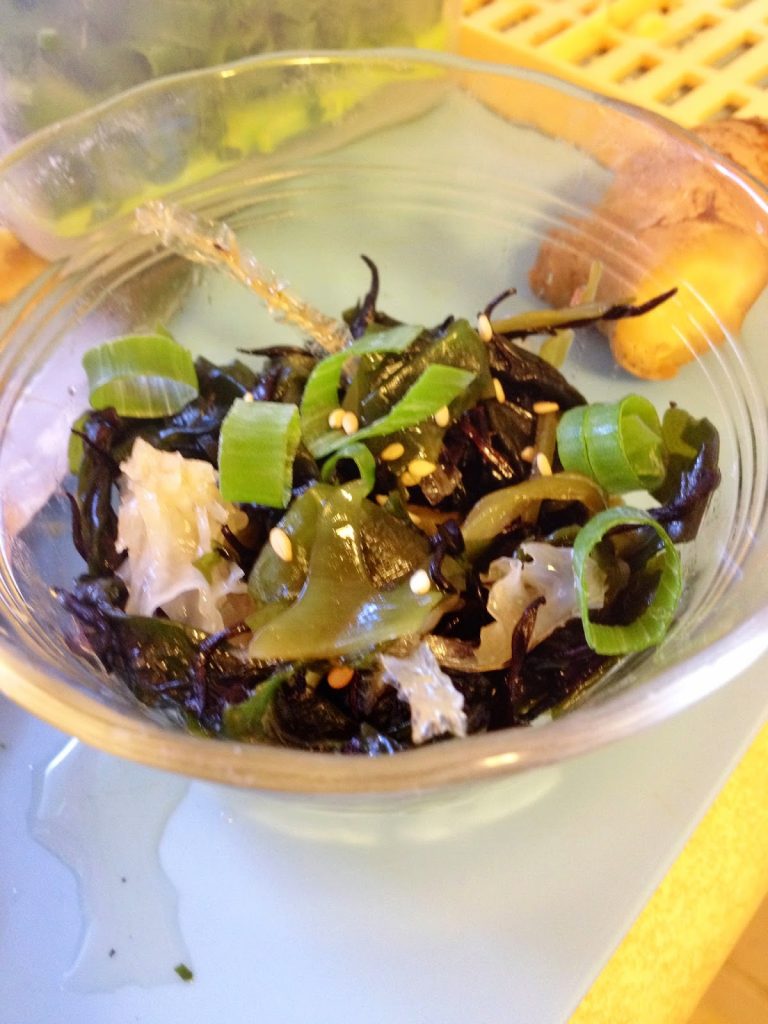

The term ‘Kaiso’ itself is Japanese for ‘seaweed.’ Therefore, Kaiso Salad literally translates to ‘seaweed salad.’ However, the term often encompasses a delightful medley of different types of seaweed, each contributing its own distinct characteristics to the overall flavor profile and texture.
At its heart, Kaiso Salad is a celebration of umami. This fifth taste, often described as savory or brothy, is naturally abundant in seaweed. When combined with the right dressing and other complementary ingredients, the umami notes of the seaweed are amplified, creating a truly satisfying and addictive flavor.
The visual appeal of Kaiso Salad is undeniable. Typically, it presents a beautiful tapestry of greens, reds, and sometimes even purples, depending on the types of seaweed used. This vibrant presentation makes it an attractive addition to any meal, whether it’s a light lunch, an appetizer, or a component of a larger banquet.
Wakame is perhaps the most recognizable seaweed in Kaiso Salad. It has a slightly sweet, slippery texture when rehydrated and is known for its rich nutritional profile, including iodine, calcium, and vitamins.
Agar-agar, derived from red algae, is often used in its dried, shredded form. When rehydrated, it develops a gelatinous, slightly crunchy texture that adds a unique mouthfeel to the salad. It’s also a popular vegan alternative to gelatin.
Konbu, a type of kelp, is often used for its deep umami flavor. While sometimes included in salads, it’s more frequently used as a base for dashi broth due to its intense savory qualities. However, thinly sliced konbu can add a subtle depth to Kaiso Salad.
- Hijiki: A dark, stringy seaweed with a slightly chewy texture and a mild, earthy flavor.
- Dulse: A reddish-purple seaweed with a chewy texture and a slightly smoky, salty taste.
- Nori: The seaweed used for sushi rolls, it can be toasted and crumbled or cut into thin strips for added texture and flavor.
- Sea Grapes (Umibudo): These small, caviar-like clusters pop in the mouth, releasing a burst of briny flavor. They are a delicacy and add a luxurious element to the salad.
The dressing is crucial in elevating Kaiso Salad from simple seasoned seaweed to a harmonious dish. A classic dressing often features a balance of soy sauce, rice vinegar, sesame oil, and a touch of sweetness, usually from sugar or mirin. The acidity of the vinegar cuts through the richness of the sesame oil, while the soy sauce provides the essential salty and umami notes.
- 1/4 cup soy sauce (or tamari for gluten-free)
- 2 tablespoons rice vinegar
- 1 tablespoon sesame oil
- 1 teaspoon sugar or mirin
- Optional: A pinch of red pepper flakes for a hint of spice, or a minced garlic clove for extra pungency.
The preparation of Kaiso Salad often begins with rehydrating dried seaweed. This is a simple yet vital step. Dried seaweeds are typically soaked in cold water for a period ranging from a few minutes to an hour, depending on the type. They will expand significantly, softening their texture and releasing their oceanic essence.
After rehydration, the seaweeds are usually rinsed thoroughly to remove any excess saltiness and then drained well. Some recipes might call for a light blanching of certain seaweeds to achieve a more tender texture or a brighter color.
Once the seaweeds are prepared and drained, they are typically combined with the dressing. It’s important not to over-dress the salad initially; you can always add more dressing later. Allowing the salad to marinate for at least 15-30 minutes helps the flavors to meld beautifully.
While the base of Kaiso Salad is seaweed, its versatility allows for numerous additions that enhance its flavor, texture, and nutritional value. These additions can range from fresh vegetables to crunchy nuts and seeds.
Thinly sliced cucumber adds a refreshing crunch and a cooling element. Its mild flavor complements the oceanic notes of the seaweed without overpowering them.
Shredded carrots bring a touch of sweetness and a vibrant orange hue to the salad, adding both visual appeal and a slight textural contrast.
Sesame seeds, toasted or untoasted, are a common addition. They provide a nutty flavor and a delightful crunch that works wonderfully with the soft texture of the seaweed.
A sprinkle of chopped scallions or chives can add a subtle oniony bite and a touch of freshness.
For those who enjoy a bit of heat, a few slivers of fresh chili or a pinch of chili flakes can elevate the flavor profile.
Avocado, when diced and gently folded in, adds a creamy richness that balances the saltiness of the dressing and the brininess of the seaweed.
Some modern interpretations of Kaiso Salad might even include small pieces of cooked seafood, such as shrimp or crab meat, to create a more substantial and protein-rich dish.
The health benefits of Kaiso Salad are as impressive as its taste. Seaweed is a nutritional powerhouse, packed with essential vitamins, minerals, and antioxidants.
Seaweeds are an excellent natural source of iodine, which is crucial for thyroid function. A deficiency in iodine can lead to various health issues, including hypothyroidism.
They are also rich in antioxidants, such as fucoxanthin, which have been studied for their potential anti-inflammatory and anti-cancer properties.
The fiber content in seaweed is beneficial for digestive health, promoting regularity and supporting a healthy gut microbiome.
Seaweed contains various minerals like calcium, magnesium, potassium, and iron, contributing to overall bodily functions and well-being.
Furthermore, many seaweeds are low in calories and fat, making Kaiso Salad a healthy and satisfying choice for weight management.
Kaiso Salad is incredibly versatile and can be served in numerous ways. It’s often found as a popular appetizer or side dish in Japanese restaurants, complementing sushi and sashimi platters.
It can also be a star attraction as a light and healthy lunch. Simply serve a generous portion on its own or alongside a piece of grilled fish or chicken.
For a more substantial meal, consider adding it as a topping to a grain bowl, alongside quinoa or brown rice, and your favorite protein.
Kaiso Salad also makes a fantastic addition to bento boxes, offering a refreshing and nutritious element.
When preparing Kaiso Salad at home, it’s important to source high-quality dried seaweed. Many Asian grocery stores and online retailers offer a wide variety of edible seaweeds.
Pay attention to the specific instructions for rehydrating each type of seaweed, as they can vary. Over-soaking can result in a mushy texture, while under-soaking can leave them too tough.
Taste and adjust the dressing as you go. The balance of sweet, salty, and sour is personal, so feel free to tweak the ingredients to your preference.
Consider the textures you want to achieve. Combining different types of seaweed with crunchy vegetables and seeds creates a more dynamic and engaging eating experience.
Freshness is key. While Kaiso Salad can be made ahead of time and will often taste even better after the flavors have had time to meld, it’s best consumed within a few days for optimal texture and flavor.
Experimentation is encouraged! Don’t be afraid to try different combinations of seaweeds, dressings, and additions. The world of seaweed is vast and full of delicious possibilities.
In conclusion, Kaiso Salad is a delightful culinary creation that offers a unique blend of flavors, textures, and health benefits. It’s a testament to the incredible bounty of the ocean and a delicious way to incorporate nutrient-rich sea vegetables into your diet. Whether you enjoy it as a simple side or a vibrant main, Kaiso Salad is sure to tantalize your taste buds and nourish your body.