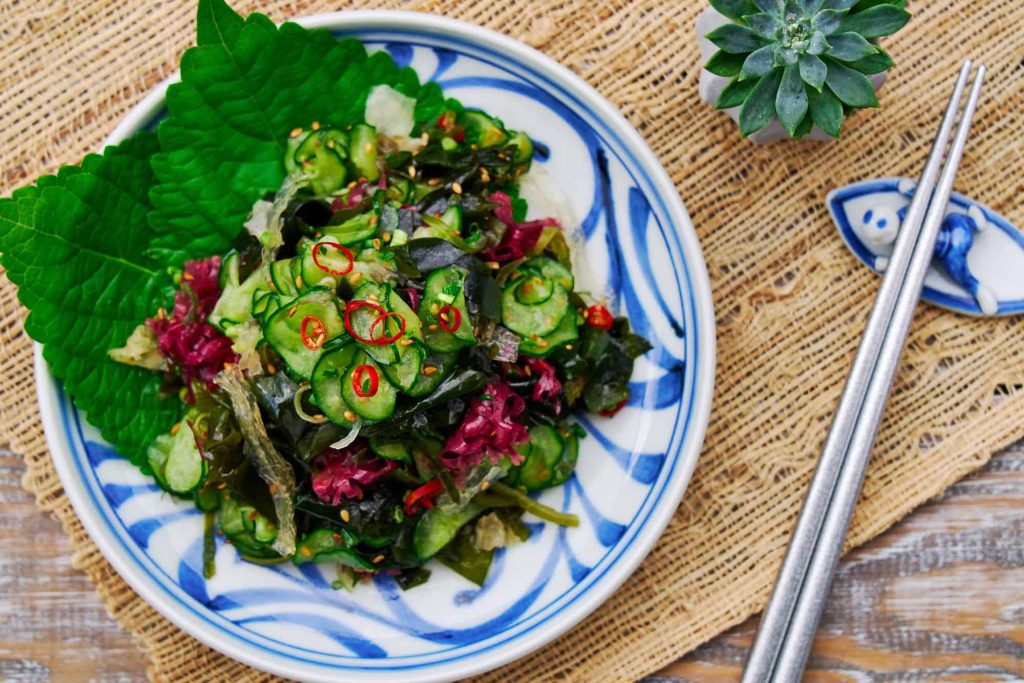

Wakame itself is more than just a culinary ingredient; it’s a staple in traditional Japanese cuisine, known for its significant health benefits. Rich in minerals like iodine, calcium, and magnesium, as well as vitamins and fiber, wakame contributes to overall well-being. Its slightly slippery texture and subtle oceanic flavor make it a versatile component that pairs exceptionally well with the briny sweetness of seafood.
For those who prefer a more robust flavor, pan-seared scallops or grilled octopus can elevate the salad to a gourmet experience. The key is to ensure the seafood is cooked to perfection – not overcooked, which can lead to toughness, but just right to retain its natural tenderness and sweetness. Chilling the cooked seafood thoroughly before adding it to the salad is crucial for maintaining the desired cool temperature and refreshing quality of the dish.
Beyond the stars of the show – wakame and seafood – the supporting cast of ingredients plays a vital role in creating a harmonious flavor profile and appealing visual presentation. Crisp vegetables are essential for adding crunch and freshness. Thinly sliced cucumber provides a cool, watery crispness, while julienned carrots offer a subtle sweetness and a pop of vibrant color. Edamame, with its slightly firm texture and mild, nutty flavor, adds another layer of interest and a boost of protein.
Other delightful additions can include thinly sliced red onion for a touch of sharpness, finely chopped bell peppers (red, yellow, or orange) for sweetness and color, and perhaps even a sprinkle of toasted sesame seeds for a nutty aroma and texture. The goal is to create a medley of colors, shapes, and textures that make the salad visually stunning and exciting to eat.
The dressing is arguably the most critical element that ties all the components of the Seafood Wakame Salad together. It needs to be zesty, slightly tangy, and complementary to both the seaweed and the seafood, without overpowering their delicate flavors. A common base for this dressing involves rice vinegar, soy sauce (or tamari for a gluten-free option), and sesame oil. These three ingredients create a classic umami-rich foundation.
To enhance the dressing’s complexity, a touch of sweetness is often introduced. Sugar, honey, or a sweetener like agave nectar can be used to balance the acidity of the vinegar and the saltiness of the soy sauce. A small amount of grated fresh ginger can add a warming, aromatic note, while a hint of garlic, minced very finely or grated, provides a savory depth.
For those who enjoy a bit of heat, a dash of sriracha or a pinch of red pepper flakes can be incorporated into the dressing. Alternatively, a small amount of wasabi paste, mixed thoroughly, can lend a distinctive spicy kick that pairs exceptionally well with seafood and seaweed.
The preparation of the wakame itself requires attention. Dried wakame seaweed needs to be rehydrated. This is typically done by soaking it in cold water for about 5 to 10 minutes, or until it becomes tender and expands. Once rehydrated, it’s important to drain it thoroughly and gently squeeze out any excess water. Some prefer to trim the thicker stems if they are present, ensuring a more pleasant texture in the final salad.
If you’re using pre-packaged, ready-to-eat wakame salad, often found in the refrigerated section of Asian markets or specialty grocery stores, you can skip the rehydration step. However, be mindful of the existing dressing and seasonings, as you may need to adjust your own dressing accordingly.
When assembling the salad, the order matters. Start with the rehydrated and drained wakame as the base. Then, gently fold in your chosen seafood. Add the prepared vegetables, ensuring they are evenly distributed. Finally, drizzle the dressing over the salad. It’s best to dress the salad just before serving to prevent the ingredients from becoming soggy, especially the vegetables and wakame.
Tossing the salad gently is key. You want to coat all the ingredients with the dressing without bruising the delicate wakame or breaking apart the seafood. A light hand and a broad spatula or salad servers are recommended for this step.
One of the most appealing aspects of Seafood Wakame Salad is its versatility and the endless possibilities for customization. Don’t feel restricted to the ingredients mentioned; let your culinary creativity guide you.
Consider adding avocado slices for a creamy texture and healthy fats. Toasted nori strips can introduce another dimension of oceanic flavor and a satisfying crunch. For a different protein source, try adding cooked squid or octopus, marinated and grilled for a smoky depth.
If you’re not a fan of raw or lightly cooked seafood, feel free to use fully cooked options. Canned tuna or salmon, drained well, can be flaked into the salad for a more accessible protein. Even small, cooked mussels or clams can add a unique briny note.
Vegetable additions can also be expanded. Thinly sliced radishes offer a peppery bite, while blanched green beans provide a vibrant color and a tender-crisp texture. Corn kernels, either fresh or canned, can add a touch of sweetness.
For a vegetarian or vegan version, omit the seafood entirely. Replace it with firm tofu, pan-fried or baked until golden, or add more edamame and a generous portion of mixed vegetables. The dressing can be easily adapted by ensuring no animal products are used.
The health benefits of this salad are substantial. Wakame seaweed is known for its low calorie and fat content, making it ideal for weight management. It’s a good source of dietary fiber, which aids digestion and promotes satiety. The iodine content is crucial for thyroid function, while minerals like calcium and magnesium support bone health and muscle function.
Seafood, depending on the type chosen, is an excellent source of lean protein, essential omega-3 fatty acids (particularly in fatty fish), and various vitamins and minerals such as vitamin D, selenium, and B vitamins. These nutrients are vital for heart health, brain function, and reducing inflammation.
The vegetables incorporated into the salad contribute a wealth of vitamins, minerals, and antioxidants. For instance, carrots are rich in beta-carotene (which the body converts to vitamin A), important for vision and immune function. Cucumbers are hydrating and provide electrolytes.
When considering the overall nutritional impact, Seafood Wakame Salad stands out as a guilt-free indulgence. It’s a dish that nourishes the body while delighting the palate, making it a perfect choice for a light lunch, a refreshing appetizer, or a healthy side dish.
Serving suggestions for Seafood Wakame Salad are as varied as its ingredients. It can be served chilled as a standalone light meal, especially on a warm day. It also makes an excellent accompaniment to grilled fish, teriyaki chicken, or other Asian-inspired main courses.
For an appetizer, serve it in small individual bowls or on lettuce cups for an elegant presentation. The vibrant colors make it a visually appealing addition to any meal, adding a touch of sophistication.
Storage of leftover Seafood Wakame Salad requires a bit of care. Due to the nature of the ingredients, particularly the wakame and vegetables, it’s best consumed fresh. If you do have leftovers, store them in an airtight container in the refrigerator for no more than one to two days. It’s advisable to store any extra dressing separately to maintain the salad’s texture.
When reheating is absolutely necessary (though it is best served cold), do so with extreme caution. Overheating will result in a mushy, unappetizing salad. It’s generally recommended to enjoy this salad at its chilled best.
Experimentation with the dressing is highly encouraged. Some variations include adding a touch of mirin (sweet Japanese rice wine) for a smoother sweetness, or a small amount of ponzu sauce for an extra citrusy zing. A creamy element can be introduced by adding a tablespoon of mayonnaise or Japanese Kewpie mayonnaise to the dressing, though this will increase the calorie count.
For a more robust umami flavor, consider adding a teaspoon of dashi powder to the dressing. Dashi is a fundamental Japanese stock that forms the base of many savory dishes.
The texture of the wakame can also be adjusted. If you prefer a chewier texture, rehydrate it for a shorter period. If you desire a softer texture, let it soak a little longer.
When selecting dried wakame, look for products that are deep green in color and have a pleasant, oceanic aroma. Avoid anything that appears dull, brittle, or has a strong, unpleasant smell.
For the seafood, freshness is paramount. If using fresh shrimp, ensure they are firm and have a mild, sweet smell. If using imitation crab, check the expiration date and packaging for any signs of damage.
In conclusion, the Seafood Wakame Salad is a testament to the beauty of simple, fresh ingredients coming together in perfect harmony. It’s a dish that offers a delightful balance of flavors, textures, and health benefits, making it a versatile and cherished addition to any culinary repertoire. Embrace the process, experiment with your favorite ingredients, and savor the taste of the ocean in this exquisite salad.
The journey of creating a Seafood Wakame Salad is as rewarding as enjoying its final result. It’s an opportunity to explore the diverse bounty of the sea and the nourishing properties of sea vegetables, all while crafting a dish that is both visually appealing and incredibly delicious. Whether you are a seasoned cook or a beginner in the kitchen, this salad offers a gateway to exciting new flavors and healthy eating habits.