
The foundation of most Sunomono recipes is thinly sliced cucumber, which provides a refreshing crunch and absorbs the tangy dressing beautifully. The preparation of the cucumber is crucial. It’s typically salted to draw out excess water, ensuring the salad doesn’t become watery and that the cucumbers retain their crispness. This step also helps them to better absorb the dressing’s flavors.
Beyond cucumbers, seafood is a popular and often luxurious addition to Sunomono. Common choices include shrimp, crab (real or imitation), octopus, and sometimes even scallops or white fish. Each type of seafood brings its unique texture and flavor, complementing the mildness of the cucumber and the sharpness of the vinegar dressing.
The dressing, or ‘sushi-zu’ (sushi vinegar) as it’s sometimes called in this context, is the soul of Sunomono. It’s a simple yet potent mixture typically comprising rice vinegar, sugar, and salt. The ratio of these ingredients can be adjusted to personal preference, ranging from sharply tart to delicately sweet. Some recipes might also include a touch of soy sauce for umami or a hint of dashi for depth.
Let’s delve into the essential ingredients for a classic Seafood Sunomono. You’ll need: fresh cucumbers, your chosen seafood (e.g., cooked shrimp, crab sticks), rice vinegar, sugar, salt, and optionally, a pinch of sugar for the cucumbers and a dash of soy sauce or dashi for the dressing. The quality of your rice vinegar is paramount, as it significantly impacts the final taste.
Preparing the cucumbers starts with selecting firm, fresh specimens. Wash them thoroughly and slice them very thinly. A mandoline slicer is ideal for achieving uniform, paper-thin slices, but a sharp knife can also be used with care. The thinner the slices, the more elegant the salad and the better they will integrate with the other ingredients.
Once sliced, the cucumbers are lightly salted. This process, known as ‘shio-mochi’ (salting), draws out moisture. Let them sit for about 15-30 minutes, depending on their thickness and your preference for crispness. After salting, rinse the cucumbers thoroughly under cold water to remove excess salt and then gently squeeze out any remaining moisture. This step is non-negotiable for achieving the perfect Sunomono texture.
While the cucumbers are resting, prepare the seafood. If using shrimp, ensure they are cooked, peeled, and deveined. They can be left whole if small or halved if large. For crab sticks, simply shred them into bite-sized pieces. If using octopus, it should be pre-cooked and thinly sliced. The key is to have the seafood ready to be combined without further cooking.
Now, let’s craft the Sunomono dressing. In a small bowl, whisk together rice vinegar, sugar, and salt. Start with a common ratio, such as 3 tablespoons of rice vinegar, 1.5 tablespoons of sugar, and 0.5 teaspoon of salt, and adjust from there. Taste and add more sugar for sweetness or vinegar for tartness as desired. A gentle whisking until the sugar and salt are completely dissolved is sufficient.
Once the cucumbers have been salted, rinsed, and squeezed, place them in a clean bowl. Add the prepared seafood to the bowl with the cucumbers. This is where the magic happens – the melding of flavors and textures.
Gently pour the prepared Sunomono dressing over the cucumber and seafood mixture. Use a light hand when tossing to avoid bruising the ingredients, especially delicate seafood like crab. The aim is to coat everything evenly with the dressing, allowing the flavors to meld.
Allow the Sunomono to marinate for at least 10-15 minutes in the refrigerator before serving. This resting period is crucial for the flavors to develop and for the cucumbers to fully absorb the tangy dressing. Longer marination, up to 30 minutes, can result in a more intense flavor profile.
Serving Sunomono is typically done in small, elegant portions. It’s often presented in small bowls or ramekins. Garnish is usually minimal, focusing on enhancing the visual appeal without overpowering the delicate flavors. Toasted sesame seeds, a few strands of shredded nori (seaweed), or a sprig of fresh dill or chives can add a lovely finishing touch.
Sunomono is incredibly versatile. While seafood is popular, vegetarian versions are also common. Tofu, wakame seaweed, and various pickled vegetables can be used as substitutes or additions. A classic vegetarian Sunomono might feature thinly sliced daikon radish, carrots, and rehydrated wakame seaweed.
Variations abound. Some recipes incorporate a small amount of soy sauce into the dressing for added depth and umami. Others might include a touch of mirin for a subtle sweetness and gloss. For a spicier kick, a tiny amount of grated ginger or a few drops of chili oil can be added, though this is less traditional.
The texture of the cucumber is key. If you prefer a softer salad, you can lightly blanch the salted cucumbers before squeezing and dressing them. However, for the classic Sunomono experience, crispness is highly valued. Ensure you don’t over-salt or over-squeeze, as this can compromise the texture.
The choice of seafood significantly impacts the dish. Cooked shrimp offer a firm bite, while crab meat provides a tender, flaky texture. Octopus adds a chewy element, and scallops bring a delicate sweetness. Experimenting with different combinations can lead to delightful discoveries.
For those sensitive to salt, you can reduce the initial salting of the cucumbers or rinse them more thoroughly. Alternatively, you can adjust the saltiness of the dressing itself. However, the salting process is important for texture, so finding a balance is key.
The sweetness of the dressing can be adjusted by varying the sugar content. Some prefer a more pronounced sourness, while others enjoy a sweeter profile. Tasting and adjusting the vinegar-to-sugar ratio is a personal journey. A good starting point is a 2:1 or 3:1 ratio of vinegar to sugar.
Sunomono is best enjoyed fresh. While it can be made a few hours in advance and kept chilled, the cucumbers will soften over time. The ideal window for preparation is to make it about 15-30 minutes before serving to allow flavors to meld while maintaining optimal crispness.
When serving Sunomono as part of a larger meal, consider its role. As an appetizer, it awakens the palate. Alongside heavier dishes like tempura or teriyaki, it provides a refreshing contrast. It’s also a staple in bento boxes, adding a burst of flavor and color.
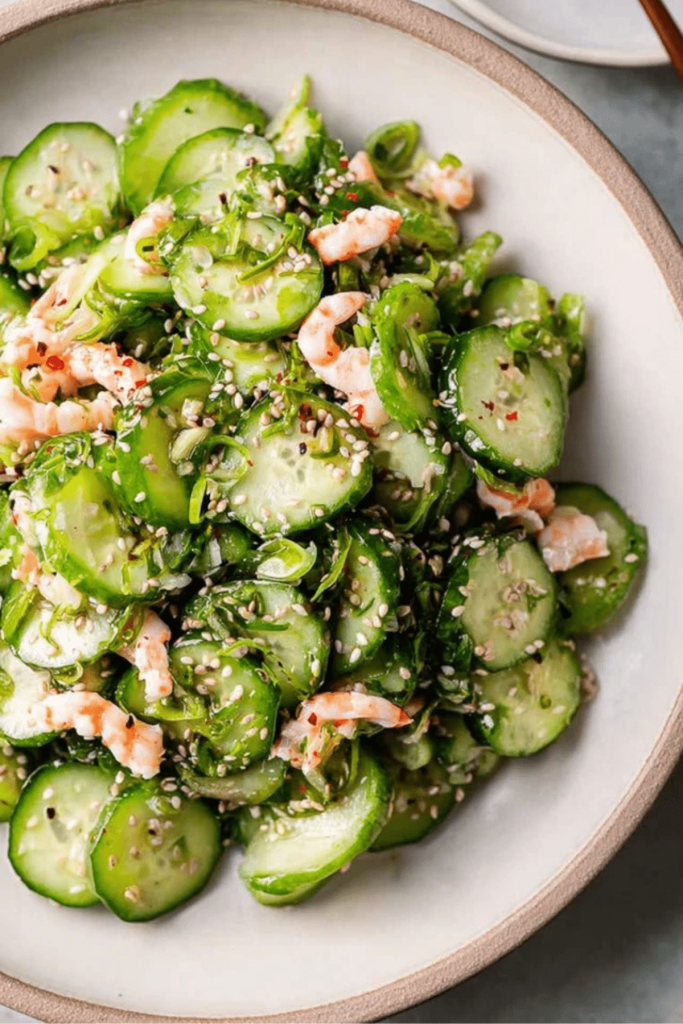
The visual appeal of Sunomono is also important in Japanese cuisine. Thinly sliced cucumbers, vibrant pink shrimp, and the subtle sheen of the dressing create an aesthetically pleasing dish. Garnishes should complement this, not detract from it.
Understanding the role of each ingredient is essential. Rice vinegar provides the signature tang. Sugar balances the acidity, making it palatable. Salt enhances the flavors and aids in drawing out moisture from the cucumbers. Each component plays a vital role in the harmonious whole.
For a truly authentic experience, use good quality Japanese rice vinegar. Its milder flavor and subtle sweetness are distinct from Western vinegars. If unavailable, a mild white wine vinegar can be a substitute, but the flavor profile will be slightly different.
When preparing seafood, ensure it’s fully cooked. Raw seafood is generally not used in traditional Sunomono due to the acidic dressing not being sufficient for ‘cooking’ it in the same way ceviche does. Overcooked seafood can become tough, so aim for just-cooked perfection.
Consider the balance of ingredients. Too much cucumber can dilute the flavor, while too little seafood might make it less satisfying. The proportion should be pleasing to the eye and the palate. A good starting point is roughly equal parts cucumber and seafood by volume, before dressing.
The marinating time is a delicate balance. Too short, and the flavors won’t meld. Too long, and the cucumbers can become limp. Experiment to find your preferred texture and flavor intensity. 15-20 minutes is often the sweet spot.
Sunomono is a testament to the beauty of simple ingredients prepared with care. Its refreshing taste and elegant presentation make it a beloved dish in Japanese cuisine, perfect for any occasion that calls for a light, flavorful, and visually appealing salad.
Experiment with different types of seafood: scallops, thinly sliced calamari, or even small pieces of cooked fish like snapper can be delicious additions. The key is to use ingredients that complement the tangy dressing without overpowering it.
For a touch of elegance, consider adding a few strands of julienned carrots or a small amount of finely chopped red onion for color and a slight bite. These additions should be used sparingly to maintain the Sunomono’s delicate character.
The final presentation can elevate the dish. Serving it chilled in clear glass bowls allows the vibrant colors of the ingredients to shine through. A sprinkle of black sesame seeds can add a sophisticated contrast.
In summary, creating exceptional Seafood Sunomono involves careful preparation of crisp cucumbers, selecting quality seafood, balancing a tangy-sweet dressing, and allowing adequate marination time. It’s a rewarding dish that brings a taste of Japanese culinary artistry to your table.