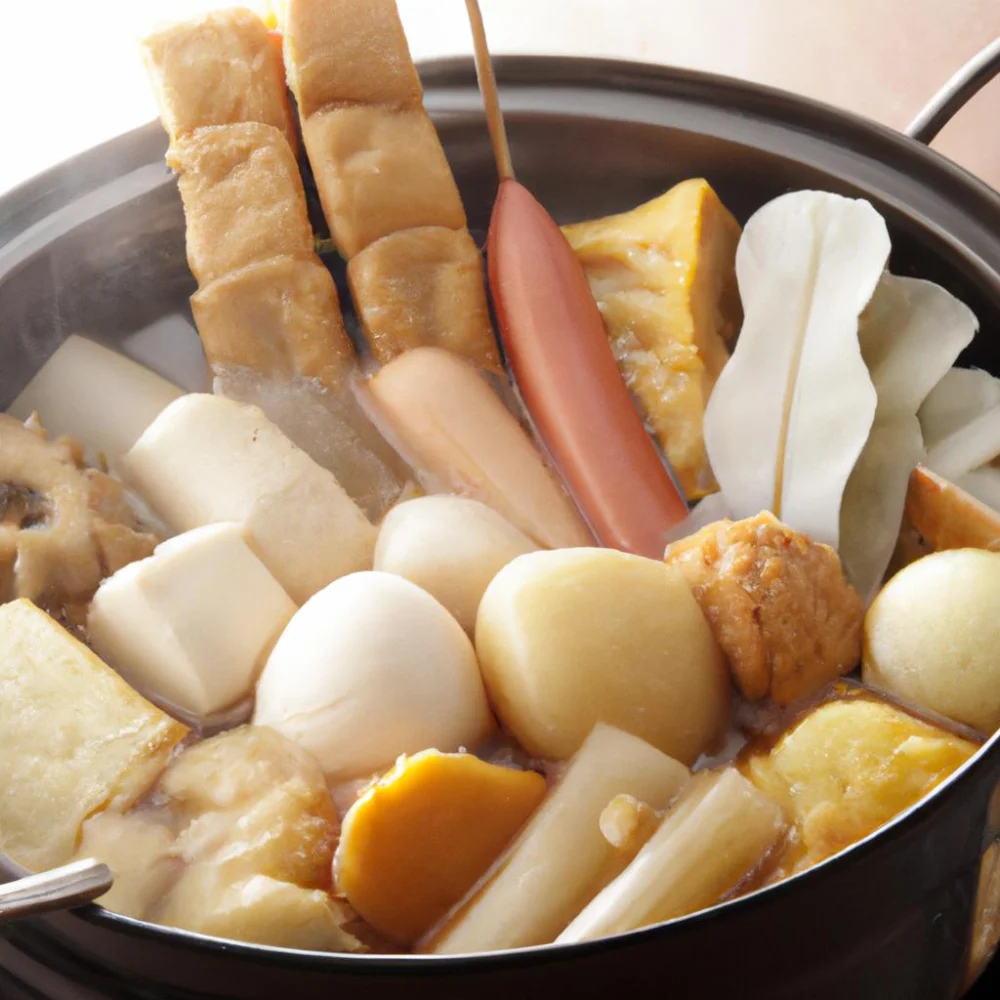

The charm of Oden lies in its simplicity and the depth of flavor it develops through slow simmering. Each ingredient absorbs the delicate essence of the dashi, transforming into tender, flavorful morsels. Seafood Oden, specifically, capitalizes on the natural sweetness and brininess of marine ingredients, infusing the broth with an extra layer of complexity that is truly irresistible. It’s a dish that warms the soul and satisfies the palate, embodying the spirit of Japanese home cooking.
Before we delve into the intricate steps, it’s essential to understand the foundation of any great Oden: the dashi. Dashi is a Japanese soup stock, typically made from kombu (dried kelp) and katsuobushi (dried bonito flakes). It provides the fundamental umami flavor that defines Japanese cuisine. For Seafood Oden, a robust dashi is even more crucial, as it needs to complement and enhance the flavors of the seafood without overpowering them. We will explore how to craft this vital component from scratch.
The Heart of Oden: Crafting the Perfect Dashi Broth
- 15-20g kombu (dried kelp)
- 20-30g katsuobushi (dried bonito flakes)
- 1.5-2 liters cold water
To prepare, gently wipe the kombu with a damp cloth (do not wash, as the white powdery substance contains umami). Place the kombu in a large pot with cold water and let it soak for at least 30 minutes, or ideally, several hours. This initial soak helps to extract the glutamic acid, which is the source of kombu’s umami.
Slowly heat the pot over medium-low heat. Just before the water comes to a boil, remove the kombu. If the kombu boils, it can release a bitter, slimy taste. Once the kombu is removed, bring the water to a rolling boil, then turn off the heat. Immediately add the katsuobushi, stirring gently to ensure it’s fully submerged. Let it steep for 30 seconds to 1 minute, allowing the bonito flakes to release their inosinic acid, another key umami component.
Carefully strain the dashi through a fine-mesh sieve lined with cheesecloth. Do not squeeze the katsuobushi, as this can also introduce bitterness. You should be left with a clear, golden broth, rich in umami. This is your primary dashi. If you prefer a richer, stronger dashi, you can use a higher ratio of katsuobushi or even add a small amount of dried anchovies (niboshi) for a deeper flavor, though this is less common in traditional Oden.
Seasoning the Oden Broth (Oden Tsuyu)
- 3-4 tablespoons light soy sauce (usukuchi shoyu for lighter color, koikuchi shoyu for richer flavor)
- 3-4 tablespoons mirin (sweet cooking sake)
- 1-2 tablespoons sake (Japanese rice wine)
- 1 teaspoon salt (adjust to taste)
- 1 teaspoon sugar (optional, to enhance sweetness)
Combine the dashi with these seasonings in your Oden pot. Bring it to a gentle simmer and taste. Adjust the seasonings as needed, aiming for a delicate balance that is savory, slightly sweet, and deeply umami, yet not overly salty. Remember, the ingredients will absorb this flavor over time, so a subtle seasoning is key initially.
Selecting and Preparing Your Seafood Components
- Shrimp: Use medium to large shrimp. Peel and devein them, leaving the tails on for presentation. You can skewer them to keep their shape.
- Scallops: Large sea scallops work best. Pat them dry. They cook very quickly, so add them towards the end.
- Squid Rings or Tubes: Clean thoroughly, remove the quill, and score the inside of the tubes for tenderness. Cut into rings or bite-sized pieces.
- White Fish Fillets: Firm white fish like cod, snapper, or halibut are excellent. Cut into thick, bite-sized pieces. You might lightly salt them beforehand to draw out moisture and firm up the flesh.
- Fish Balls/Fish Cakes (Homemade): For an extra touch, you can make your own fish balls from ground white fish, seasoned with ginger, scallions, and a touch of starch.
It’s crucial to avoid overcooking seafood, as it can become rubbery or tough. Most seafood will only need a few minutes of simmering in the hot Oden broth. Consider adding them in stages, based on their cooking times.
Essential Non-Seafood Oden Components
- Daikon Radish: Peel the daikon thickly to remove the fibrous outer layer. Cut into 2-inch thick rounds. To remove bitterness and soften, parboil in rice water (or plain water with a pinch of rice) for 15-20 minutes until translucent. Rinse well.
- Boiled Eggs: Hard-boil eggs, peel them, and make a few shallow cuts on the surface to help them absorb the broth better.
- Konnyaku (Konjac Yam Cake): Rinse thoroughly. Score both sides in a crisscross pattern (this helps absorb flavor and provides a pleasing texture). Cut into triangles or rectangles. Blanch briefly in boiling water to remove any odor.
- Atsuage (Thick Fried Tofu): Blanch in hot water for a minute to remove excess oil and improve broth absorption. Cut into triangles.
- Chikuwa, Hanpen, Satsuma-age (Japanese Fish Cakes): These come in various shapes and textures. Most require no special preparation, but some might benefit from a quick blanch to remove surface oil. Slice larger ones as needed.
- Kinchaku (Tofu Pouches with Mochi): These are small fried tofu pouches filled with mochi. Tie them with a strip of kanpyo (dried gourd strip).
- Mochi (Rice Cakes): Plain mochi can be added directly, though they tend to soften and can become quite sticky.
- Tofu: Firm tofu, cut into cubes, can also be added.
Assembling and Simmering Your Seafood Oden
With all your components prepped, it’s time for the magical simmering process. The key to Oden is a gentle, prolonged simmer that allows the flavors to meld and the ingredients to become incredibly tender and flavorful.
Arrange the ingredients in your Oden pot. Start with those that require longer cooking times and are more robust, such as daikon and konnyaku, at the bottom. Pour in your seasoned dashi broth, ensuring all ingredients are submerged. Bring the broth to a gentle simmer over low heat. Do not boil vigorously, as this can break down delicate ingredients and cloud the broth.
For the initial simmer, let the daikon, konnyaku, and eggs cook for at least 1-2 hours, or even longer. The longer they simmer, the more flavor they absorb and the more tender they become. You can even prepare these components a day in advance and let them sit in the broth overnight in the refrigerator; the flavors will deepen considerably.
About 30-45 minutes before serving, add the various fish cakes and tofu products. These generally cook faster and can become mushy if overcooked. Keep the heat low and maintain a gentle simmer.
Finally, 5-10 minutes before you are ready to serve, carefully add your prepared seafood components. Shrimp, scallops, and delicate fish fillets will cook quickly. Watch them closely, removing them as soon as they are opaque and cooked through, to prevent them from becoming tough. You can keep them warm in a separate bowl with a ladle of broth if you prefer, adding them back to the main pot just before serving.
Serving Your Seafood Oden
Seafood Oden is best served hot, directly from the pot. Provide individual bowls, allowing each person to choose their preferred assortment of ingredients. A slotted ladle or small tongs are useful for serving. The broth itself is also a delicious part of the meal, so encourage guests to ladle some into their bowls.
Traditional Oden is often served with karashi, a vibrant yellow Japanese mustard that provides a pungent kick, cutting through the richness of the broth and ingredients. A small dollop on the side of the plate or directly on an Oden piece is customary. Some also enjoy a sprinkle of shichimi togarashi (Japanese seven-spice blend) for a hint of heat and aroma.
Tips for Oden Success and Variations
- Quality Ingredients: The fresher your seafood and the better your dashi ingredients, the more flavorful your Oden will be.
- Low and Slow: Patience is key. The longer the simmer (without boiling), the better the flavor absorption.
- Staggered Cooking: Add ingredients according to their cooking times to ensure everything is perfectly cooked.
- Resting Period: Like many stews, Oden often tastes even better the next day after the flavors have had more time to meld.
- Customization: Don’t be afraid to experiment with other ingredients like small octopus, clams, or even different types of vegetables such as carrots, potatoes, or shiitake mushrooms.
- Broth Replenishment: As the Oden simmers, the broth level will decrease. Have extra dashi on hand to replenish it, ensuring the ingredients remain submerged. Adjust seasoning if you add plain dashi.
Storage and Reheating
Leftover Oden can be stored in an airtight container in the refrigerator for 2-3 days. To reheat, simply return it to a pot and gently simmer until warmed through. The flavors often deepen overnight, making leftovers a delightful treat.
Nutritional Benefits
Seafood Oden is not only delicious but also relatively healthy. It’s rich in lean protein from the seafood and fish cakes, and packed with fiber and vitamins from vegetables like daikon. The dashi broth is low in calories and fat, making it a comforting yet light meal. It’s a fantastic way to enjoy a variety of ingredients in a single, nourishing dish.
Cultural Significance
Oden holds a special place in Japanese culture. It’s a staple found everywhere from family dinner tables to convenience stores (konbini) and specialized Oden restaurants. In convenience stores, Oden pots simmer perpetually during the cooler months, offering a quick, warm, and affordable meal. Its presence evokes feelings of warmth, home, and community, making it more than just food, but a cultural experience.
The act of preparing Oden, particularly Seafood Oden, can be a delightful culinary journey. It encourages mindfulness in ingredient selection and preparation, and patience in the simmering process. The reward is a deeply satisfying dish that offers a comforting warmth and a symphony of flavors and textures.
Embrace the challenge and the joy of creating your own authentic Seafood Oden. From the rich umami of the dashi to the tender seafood and perfectly cooked vegetables, each spoonful is a testament to the beautiful simplicity and profound depth of Japanese cuisine. Gather your ingredients, prepare your broth with care, and savor the experience of this heartwarming Japanese hot pot.
This guide provides a robust framework, but remember that cooking is also an art form. Feel free to adjust seasonings, experiment with different seafood, and discover your own perfect blend of Oden ingredients. Enjoy the process, and most importantly, enjoy the delicious results of your labor!
Whether it’s a cold winter evening or simply a desire for a comforting meal, Seafood Oden is an excellent choice. Its ability to feed a crowd, its adaptability to various tastes, and its rich, layered flavors make it a truly versatile and beloved dish. We hope this guide empowers you to bring the authentic taste of Japanese Seafood Oden into your kitchen.
So, gather your ingredients, fire up your stove, and embark on a culinary adventure that promises warmth, flavor, and a touch of Japanese tradition. Your homemade Seafood Oden will undoubtedly become a cherished dish in your repertoire, bringing joy and deliciousness to every gathering.