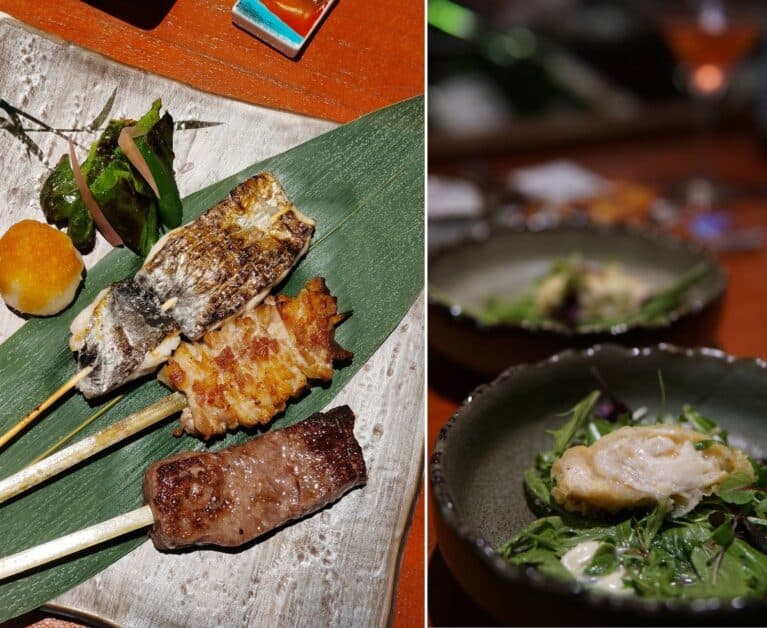
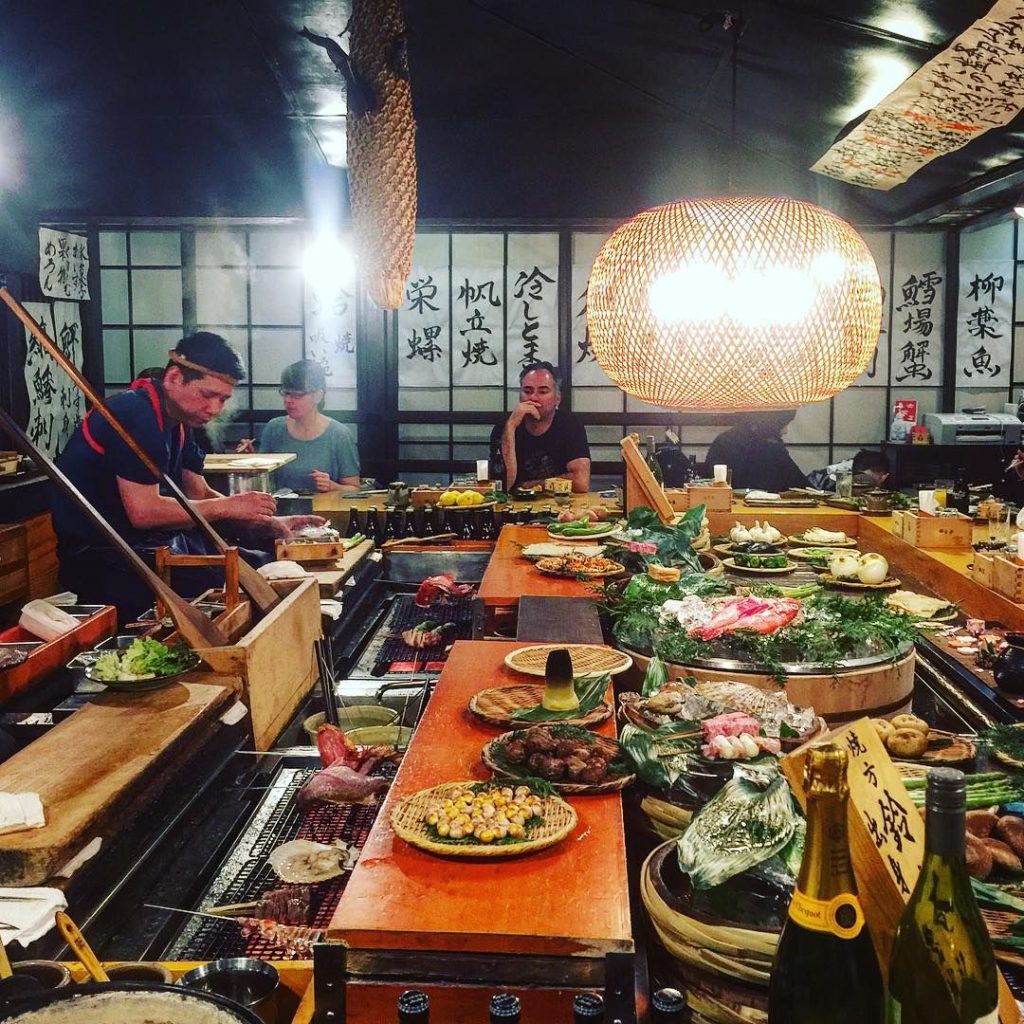

The allure of Robatayaki lies in its elegant simplicity. It’s not just about cooking food; it’s about showcasing the inherent quality of the ingredients, particularly seafood. The intense, radiant heat of the charcoal imparts a distinctive smoky aroma and a perfectly charred exterior while keeping the interior succulent and moist. This method truly allows the star of the dish – the fresh seafood – to shine.
While traditionally prepared in specialized restaurants with a central open grill, the essence of Seafood Robatayaki can be beautifully recreated in your own home. This guide will walk you through everything you need to know, from selecting the freshest seafood to mastering the grilling techniques and crafting delectable marinades and dipping sauces, ensuring an authentic taste of Japan.
The historical roots of Robatayaki are deeply intertwined with the lives of Japanese fishermen. After a long day at sea, they would gather around a communal hearth, grilling their fresh catches over hot coals. This practical and communal way of cooking evolved over centuries, eventually becoming the sophisticated dining experience we know today, celebrated for its emphasis on freshness and directness.
At its core, Robatayaki embodies the Japanese culinary philosophy of shun (seasonality) and ichiju sansai (one soup, three dishes), focusing on balance and harmony. For seafood, this means choosing what is peak fresh, minimally preparing it, and allowing the grilling process to enhance its natural qualities without overpowering them.
What makes Seafood Robatayaki particularly special is the way it treats the delicate textures and rich flavors of marine life. Unlike deep-frying or heavy saucing, grilling preserves the integrity of the seafood, often resulting in a delightful contrast between a crispy, slightly smoky exterior and a tender, juicy interior. It’s a testament to the idea that sometimes, less is truly more.
To begin your Robatayaki adventure, selecting the right seafood is paramount. Look for items that are firm to the touch, have a fresh ocean scent (not fishy), and vibrant colors. For fish, clear eyes and red gills are indicators of freshness. Your local fishmonger is your best friend in this pursuit.
Excellent choices for Seafood Robatayaki include:
- Prawns or Shrimp: Large, head-on prawns grill beautifully, offering a sweet, succulent bite.
- Scallops: Large sea scallops develop a gorgeous sear and remain incredibly tender.
- Squid or Cuttlefish: Scored and grilled, they offer a unique texture and mild flavor.
- Various Fish Fillets or Whole Fish: Mackerel, salmon, sea bream, or cod are fantastic. Smaller whole fish can be skewered and grilled whole.
- Oysters or Mussels: Can be grilled in their shells until they pop open, retaining all their briny juices.
Once you have your pristine seafood, proper preparation is key. This often involves cleaning, deveining prawns, patting everything dry to ensure a good sear, and sometimes scoring fish fillets to help them cook evenly and absorb marinades better. Skewering larger pieces also makes them easier to handle on the grill.
Basic Soy-Ginger Marinade: This classic combination is versatile and bright. Combine 4 tablespoons soy sauce, 2 tablespoons mirin (Japanese sweet cooking wine), 1 tablespoon grated fresh ginger, 1 clove minced garlic, and 1 teaspoon sesame oil. Whisk well. This marinade is ideal for prawns, fish fillets, or scallops, requiring about 15-30 minutes of marination.
Spicy Miso Marinade: For a deeper, more savory flavor with a kick. Mix 3 tablespoons white miso paste, 1 tablespoon sake, 1 tablespoon mirin, 1 teaspoon sugar, and 1/2 teaspoon gochujang (Korean chili paste, or a pinch of cayenne for heat). This thicker marinade works wonderfully with richer fish like salmon or firm squid, needing at least 30 minutes, or even an hour, to infuse its flavors.
Umami Garlic-Sake Marinade: A simple yet potent marinade that highlights the seafood’s natural umami. Combine 3 tablespoons sake, 1 tablespoon soy sauce, 1 tablespoon minced garlic, and a pinch of black pepper. This is perfect for delicate white fish or scallops, requiring a shorter marination time of 10-20 minutes to prevent the sake from overpowering the flavor.
Dipping sauces are an integral part of the Robatayaki experience, allowing diners to customize each bite. They provide a fresh counterpoint to the grilled flavors and can range from tangy to sweet or spicy. Always serve sauces on the side.
Classic Ponzu Sauce: A light, citrusy, and savory sauce. Whisk together 4 tablespoons soy sauce, 2 tablespoons fresh lemon or yuzu juice, 1 tablespoon mirin, and 1 teaspoon dashi stock (optional, for extra umami). This bright sauce is excellent with almost any grilled seafood, cutting through richness and adding a refreshing zest.
Sweet & Savory Tare Sauce: A thicker, glazed-like sauce often used for basting but also great as a dip. Combine 4 tablespoons soy sauce, 2 tablespoons mirin, 2 tablespoons sake, and 1 tablespoon sugar. Bring to a simmer over medium heat, stirring until sugar dissolves and sauce slightly thickens. This adds a beautiful sheen and a rich, complex sweetness, particularly good with eel or mackerel.
Zesty Spicy Mayo: For those who enjoy a creamy, spicy kick. Mix 1/2 cup Japanese mayonnaise, 1-2 tablespoons sriracha (to taste), 1 teaspoon lime juice, and a pinch of sugar. This sauce offers a modern twist and is incredibly popular with prawns, scallops, or grilled squid, providing a comforting creaminess and vibrant heat.
While a traditional Robata grill is ideal, you can achieve excellent results with a good quality charcoal grill (like a Weber kettle grill) or even a gas grill with proper heat management. Essential equipment includes:
- Grill: Charcoal grill for authentic flavor, or a gas grill.
- Skewers: Bamboo skewers (soaked in water for 30 minutes to prevent burning) or metal skewers.
- Basting Brush: For applying marinades and sauces during grilling.
- Tongs: For turning seafood.
- Meat Thermometer: To ensure proper doneness, especially for larger fish.
Mastering the grill means understanding heat. For Robatayaki, you typically want a medium-high direct heat for searing and cooking through. Charcoal provides a more intense and even heat, along with the smoky flavor that defines Robatayaki. If using gas, preheat thoroughly and aim for a consistent temperature.
The general grilling technique involves placing the skewered or individual pieces of seafood directly over the heat, turning them periodically. Basting with marinades or tare sauce during the last few minutes of cooking adds flavor and helps create a beautiful glaze. Be careful not to overcook, as seafood can dry out quickly.
Let’s apply these principles to specific seafood items. For Grilled Prawns with Soy-Ginger Marinade: Begin by deveining and shelling large prawns, leaving the tails on. Pat them dry thoroughly. Skewer 3-4 prawns per bamboo skewer. Place them in the soy-ginger marinade for 15-20 minutes, ensuring even coating.
Preheat your grill to medium-high heat. Place the skewered prawns directly over the coals. Grill for 2-3 minutes per side, or until they turn opaque and pink, with slight charring. Baste lightly with any remaining marinade during the final minute of cooking. Serve immediately with a sprinkle of sesame seeds and a wedge of lemon.
Next, for Scallops with Miso Marinade: Use large sea scallops. Pat them very dry. Gently coat them in the spicy miso marinade for 30 minutes. Do not over-marinate, as the acidity can start to ‘cook’ the scallops. Skewer 2-3 scallops per skewer to keep them together.
Grill the scallops over medium-high heat for approximately 2 minutes per side. You’re looking for a beautiful golden-brown sear on each flat side and an opaque center. Be mindful not to crowd the grill, as this can lower the temperature and steam the scallops instead of searing them. They cook very quickly.
For Whole Fish (e.g., Mackerel) with Salt & Lemon: Clean and descale a whole mackerel. Score the skin diagonally a few times on both sides. Pat it very dry and season generously with sea salt both inside and out. You can insert a skewer through the mouth and out the tail for easier handling.
Grill the whole fish over medium heat. Start with 5-7 minutes per side, depending on the thickness of the fish. The skin should be crispy and charred in places, and the flesh should flake easily with a fork when done. Finish with a squeeze of fresh lemon juice just before serving to brighten the flavors.
Achieving the perfect sear and doneness is an art. A good sear means a flavorful, slightly crispy exterior. Doneness for seafood is crucial; most fish is done when it reaches an internal temperature of 145°F (63°C) and flakes easily. Prawns and scallops will turn opaque. Undercooked seafood is unsafe, but overcooked seafood becomes dry and tough.
Basting is a technique that not only adds flavor but also helps keep the seafood moist and creates that desirable glossy finish. Use a clean basting brush and apply marinades or tare sauce sparingly during the last stages of grilling. Be careful not to cross-contaminate raw marinade with cooked food.
Presentation is key in Japanese cuisine. Arrange your grilled seafood artfully on a platter. A sprinkle of toasted sesame seeds, chopped scallions, or finely shredded shiso leaves can add visual appeal and a burst of fresh flavor. A simple lemon wedge on the side is always a welcome addition.
Consider serving your Seafood Robatayaki with traditional Japanese accompaniments. A bowl of perfectly steamed short-grain rice is a must, providing a neutral base to soak up the delicious flavors. Pickled ginger (gari) or other quick pickled vegetables (tsukemono) offer a refreshing counterpoint to the richness of the grilled seafood.
For beverages, sake, especially a dry junmai or ginjo, pairs wonderfully with grilled seafood, complementing its umami notes. Green tea or even a light, crisp white wine can also enhance the dining experience without overpowering the delicate flavors.
Beyond its deliciousness, Seafood Robatayaki also boasts health benefits. Grilling is a lean cooking method that requires minimal added fats. Seafood itself is an excellent source of lean protein, omega-3 fatty acids, and essential vitamins and minerals, making this a wholesome and nutritious meal.
Feel free to customize your Robatayaki experience. While seafood is the star, you can also grill a variety of vegetables alongside, such as shiitake mushrooms, asparagus, bell peppers, or slices of zucchini. Different proteins like chicken thigh (yakitori style) or thinly sliced beef can also be incorporated.
Always practice grilling safety. Ensure your grill is stable and in a well-ventilated area. Keep a fire extinguisher or a bucket of sand/water nearby. Use long-handled tongs and gloves to protect your hands from the heat. Never leave a hot grill unattended, and always clean your grill thoroughly after use to prevent flare-ups.
If you encounter issues like sticking, ensure your grill grates are clean and well-oiled. If food is burning on the outside but raw inside, your heat might be too high; try moving items to a slightly cooler part of the grill or raising the grate. Conversely, if food is cooking too slowly, you may need more charcoal or higher gas heat.
The true essence of Robatayaki extends beyond the food itself; it’s about the shared experience, the aroma of the grill, and the simple pleasure of fresh, expertly cooked ingredients. It’s a method that encourages interaction and appreciation for the culinary craft, making it perfect for family gatherings or entertaining friends.
By embracing the principles outlined in this guide – selecting fresh ingredients, mastering simple marinades, and understanding the nuances of grilling – you can bring the authentic taste and communal spirit of Japanese Seafood Robatayaki into your home. It’s a rewarding culinary journey that promises delicious results and memorable dining experiences.
So, gather your freshest catches, fire up your grill, and prepare to delight your senses with the exquisite flavors of Seafood Robatayaki. This ancient Japanese art of grilling is not just a cooking method; it’s a celebration of nature’s bounty, transformed into culinary perfection with skillful hands and a passionate heart.