
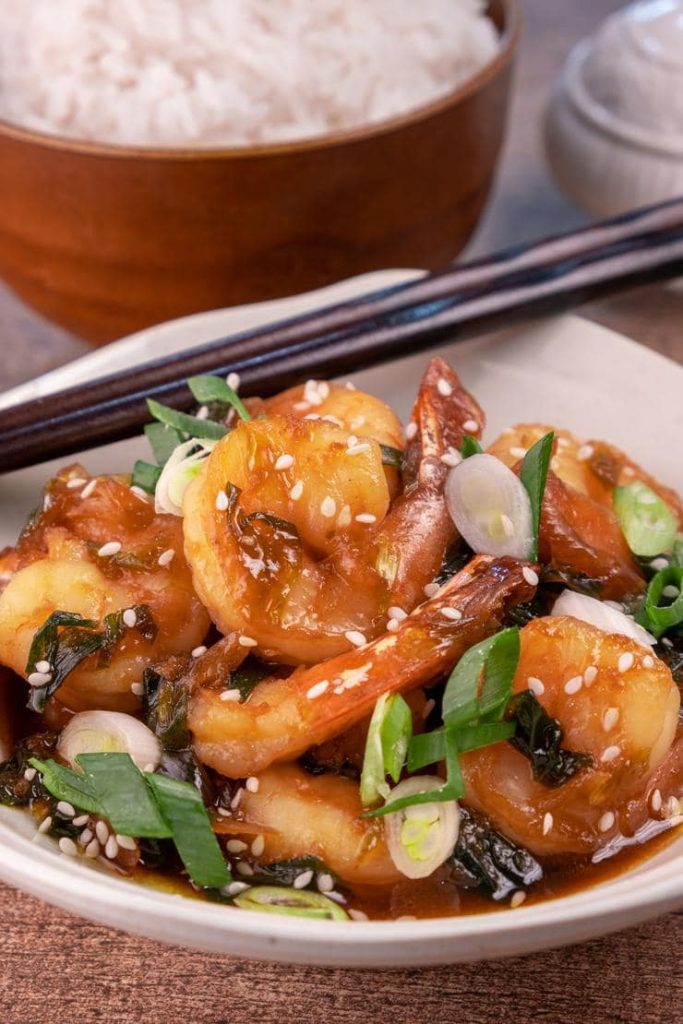

The allure of teriyaki lies in its perfectly balanced flavor profile. It’s a symphony of salty soy sauce, sweet mirin and sugar, and the subtle tang of sake, often enhanced with aromatic ginger and garlic. This combination creates a glaze that caramelizes beautifully when cooked, locking in moisture and infusing seafood with an irresistible depth of flavor. Whether you’re a seasoned chef or a home cook looking to expand your repertoire, mastering homemade teriyaki sauce for seafood is a rewarding endeavor.
While numerous store-bought teriyaki sauces line supermarket shelves, opting for a homemade version offers unparalleled advantages. Firstly, it provides complete control over the ingredients, allowing you to avoid artificial preservatives, excessive sodium, or high-fructose corn syrup often found in commercial products. Secondly, the freshness of homemade sauce is undeniable; the vibrant notes of freshly grated ginger and garlic simply cannot be replicated by powdered alternatives. Lastly, crafting your own sauce allows for customization, enabling you to tailor the sweetness, saltiness, and spiciness to your precise preference.
To truly understand homemade teriyaki, one must deconstruct its core components. The foundation of any authentic teriyaki sauce relies on a quartet of essential Japanese staples: soy sauce, mirin, sake, and sugar. These four ingredients, when combined with fresh aromatics, create the characteristic flavor profile that has captivated food enthusiasts worldwide. Understanding the role of each is crucial for achieving a balanced and authentic taste.
Soy Sauce: The Umami Foundation. This dark, salty liquid is the backbone of teriyaki. For the best results, opt for a high-quality Japanese soy sauce (shoyu). While regular soy sauce works, you might consider low-sodium varieties if you are mindful of salt intake, or even a tamari for a gluten-free alternative. The depth of flavor in good soy sauce is irreplaceable, providing that essential umami kick that defines the sauce.
Mirin: The Sweet Elixir. Mirin is a type of sweet rice wine, crucial for both flavor and texture. It adds a subtle sweetness, a delicate tang, and helps create the signature glossy finish (the ‘teri’) of the sauce. When purchasing, look for ‘hon mirin’ (true mirin) which contains about 14% alcohol and is made from glutinous rice. Avoid ‘mirin-style seasoning’ or ‘aji-mirin,’ which often contain added sugars and less alcohol, as they won’t provide the same depth of flavor or gloss.
Sake: The Flavor Enhancer. Japanese cooking sake (ryorishu) is another rice wine, typically drier than mirin, that plays a vital role in teriyaki. It adds a layer of complex flavor, tenderizes the seafood, and helps to carry the other flavors through the dish. The alcohol evaporates during cooking, leaving behind only its rich essence. If sake is unavailable, a dry sherry or even a small amount of white wine can be a passable substitute, though the authentic flavor will be slightly altered.
Sweetness: The Balancing Act. While mirin provides some sweetness, additional sugar is necessary to achieve the classic teriyaki balance. Granulated white sugar is common, but brown sugar can add a deeper, molasses-like note. Some recipes also incorporate honey or maple syrup for a different kind of sweetness and stickiness. The amount of sugar can be adjusted based on personal preference, but it’s crucial for the sauce to caramelize properly during cooking.
Aromatic Powerhouses: Ginger and Garlic. These two fresh aromatics elevate the sauce from good to exceptional. Freshly grated ginger provides a pungent, warming spice, while minced garlic adds a robust, savory undertone. Always opt for fresh ginger and garlic over powdered versions for the most vibrant and authentic flavor. Grate the ginger finely and mince the garlic thoroughly to ensure their flavors are well integrated into the sauce without being overpowering.
Thickening Agents (Optional but Recommended). For those who prefer a thicker, more glaze-like consistency, a cornstarch slurry is an excellent addition. A small amount of cornstarch mixed with cold water can be stirred into the simmering sauce towards the end of cooking. This step is entirely optional; a longer simmer time will naturally reduce and thicken the sauce to some extent, but cornstarch provides a quicker and more controlled method for achieving a desired viscosity.
Beyond the foundational ingredients, homemade teriyaki sauce offers a canvas for further enhancement. A dash of toasted sesame oil can introduce a nutty aroma, while a splash of rice vinegar can brighten the sauce with a subtle tang. For a spicy kick, consider adding a pinch of red chili flakes or a tiny amount of Sriracha. Citrus zest, particularly from an orange or lime, can also add a fresh, aromatic lift that complements seafood beautifully.
Choosing your seafood is perhaps the most exciting part of preparing teriyaki. The beauty of this sauce lies in its versatility; it pairs wonderfully with a wide array of marine delights. The key is to select fresh, high-quality seafood that will stand up to the bold flavors of the sauce while retaining its delicate texture. Consider the fat content, flakiness, and natural sweetness of different fish and shellfish.
For popular choices, salmon is a perennial favorite, its rich, fatty flesh absorbing the teriyaki glaze beautifully and caramelizing to perfection. Shrimp and scallops cook quickly and become wonderfully succulent, while firm white fish like cod, halibut, or snapper soak up the flavors without falling apart. Even tuna steaks, when seared rare with teriyaki, offer a delightful experience. Don’t shy away from less common options like squid or even firm-fleshed mackerel.
Proper preparation of your chosen seafood is paramount for a successful dish. Always ensure your seafood is thoroughly cleaned and patted completely dry with paper towels. Excess moisture can prevent proper searing and caramelization, leading to a steamed rather than glazed finish. For larger fish fillets, consider portioning them into manageable sizes to ensure even cooking and easier handling.
Now, let’s delve into the specific recipe for our homemade teriyaki sauce. You will need:
- 1/2 cup good quality Japanese soy sauce
- 1/2 cup mirin (hon mirin preferred)
- 1/4 cup sake (Japanese cooking sake)
- 2-4 tablespoons granulated sugar (adjust to taste)
- 1 tablespoon freshly grated ginger
- 2 cloves garlic, minced
- (Optional) 1 teaspoon cornstarch mixed with 2 tablespoons cold water for thickening
- (Optional) 1 teaspoon sesame oil for aroma
To prepare the sauce, combine the soy sauce, mirin, sake, sugar, grated ginger, and minced garlic in a small saucepan. Whisk everything together until the sugar is dissolved. Bring the mixture to a gentle simmer over medium heat, stirring occasionally. Be careful not to boil it vigorously, as this can cause the alcohol from the sake and mirin to evaporate too quickly without fully integrating its flavor.
Allow the sauce to simmer for about 5-7 minutes, or until it has slightly reduced and the flavors have melded. If you desire a thicker sauce, gradually whisk in the cornstarch slurry (if using) while the sauce is simmering. Continue to whisk for another minute or two until the sauce thickens to your desired consistency. Remove from heat and, if using, stir in the sesame oil for an added layer of nutty flavor.
Marination is the secret weapon for infusing your seafood with deep, robust teriyaki flavor. Once your sauce is ready and cooled slightly, pour a portion of it over your prepared seafood. The marination time will vary depending on the type and thickness of the seafood. Delicate fish like cod or shrimp might only need 15-30 minutes, while heartier fish like salmon or tuna can benefit from 30 minutes to an hour. Avoid over-marinating, especially with acidic marinades, as it can ‘cook’ delicate fish.
The beauty of teriyaki seafood also extends to the variety of cooking methods you can employ. Each technique imparts a unique texture and flavor. Common methods include pan-frying, grilling, baking, and broiling. The choice often depends on the type of seafood, desired finish, and available equipment.
For pan-frying, heat a tablespoon of neutral oil (like canola or grapeseed) in a non-stick skillet over medium-high heat. Once shimmering, place your marinated seafood in the pan, ensuring not to overcrowd it. Sear for 2-4 minutes per side, depending on thickness, until golden brown and cooked through. In the last minute or two, pour some of the remaining teriyaki sauce over the seafood, allowing it to reduce and create a beautiful glaze.
Grilling offers a smoky char that pairs wonderfully with teriyaki. Preheat your grill to medium-high. Lightly oil the grates to prevent sticking. Place marinated seafood directly on the grill, or use a grill basket for more delicate items like shrimp or scallops. Grill for 3-6 minutes per side, basting with extra sauce during the last few minutes of cooking. The high heat will caramelize the sugars in the sauce, creating a delicious crust.
Baking provides a more hands-off approach. Preheat your oven to 400°F (200°C). Place marinated seafood on a parchment-lined baking sheet. Bake for 10-20 minutes, depending on the seafood’s thickness, until cooked through and flaky. For an extra glossy finish, brush with additional sauce halfway through baking, or switch to broil for the last few minutes to caramelize the top.
Broiling is excellent for achieving a quick, caramelized glaze. Preheat your broiler. Place marinated seafood on a baking sheet lined with foil (for easy cleanup) about 6 inches from the heat source. Broil for 5-10 minutes, flipping once, until the seafood is cooked and the sauce is bubbly and slightly charred. Keep a close eye on it, as broilers can quickly burn sugary sauces.
Regardless of the cooking method, achieving perfect seafood doneness is critical. Overcooked seafood becomes dry and rubbery, losing its delicate texture. Look for visual cues: fish should flake easily with a fork and be opaque throughout. Shrimp will curl into a ‘C’ shape and turn pink. Scallops will be opaque and firm. An instant-read thermometer is your best friend; most fish are done between 140-145°F (60-63°C).
Once your seafood is cooked, you’ll want to ensure you have a luscious teriyaki glaze for serving. If you have reserved some of the un-marinated sauce, you can reduce it further in a small saucepan over medium heat until it thickens into a syrupy glaze. This concentrated sauce can be drizzled over the finished seafood or served on the side for dipping, adding an extra layer of intense teriyaki flavor.
Serving homemade teriyaki seafood is an opportunity to create a complete and appealing meal. The most classic accompaniment is steamed white or brown rice, which provides a neutral canvas for the rich sauce. Japanese-style noodles, such as ramen or udon, also make an excellent base. Consider adding a medley of steamed or stir-fried vegetables like broccoli, snap peas, bell peppers, or asparagus for color, texture, and nutritional balance.
Garnishes not only add visual appeal but also enhance the overall flavor. A sprinkle of toasted sesame seeds (white or black) provides a pleasant crunch and nutty aroma. Thinly sliced green onions (scallions) offer a fresh, pungent bite. For a touch of sophistication and mild heat, a few strands of chili threads (ito togarashi) can be artfully placed on top. A wedge of lime or lemon can also be served for a fresh squeeze of acidity.
Complementary side dishes can further elevate your teriyaki seafood experience. A small bowl of edamame, either steamed or lightly pan-fried, offers a healthy and satisfying snack. Pickled ginger, often served with sushi, can cleanse the palate between bites. A light miso soup or a simple green salad with a ginger-sesame dressing would also round out the meal beautifully.
For beverages, consider pairings that complement the umami and sweetness of teriyaki. A crisp, dry sake can be an excellent choice, as can a light-bodied white wine such as Sauvignon Blanc or Pinot Grigio. Non-alcoholic options include chilled green tea, sparkling water with a hint of citrus, or even a refreshing ginger ale.
Beyond its delicious taste, homemade teriyaki seafood can be a healthy meal choice. Seafood is an excellent source of lean protein, omega-3 fatty acids, and essential vitamins and minerals. By making your sauce from scratch, you have the power to control sodium levels by using low-sodium soy sauce and adjusting sugar content, making it a healthier alternative to many store-bought options.
If you’ve made a larger batch of teriyaki sauce, it can be stored in an airtight container in the refrigerator for up to 1-2 weeks. This makes meal prep incredibly convenient, as you’ll always have a flavorful marinade and glaze ready to go. Simply reheat gently on the stovetop before use, whisking well to recombine any separated ingredients.
Leftover cooked teriyaki seafood should be stored in an airtight container in the refrigerator and consumed within 1-2 days. Reheat gently in a microwave or a skillet over low heat to prevent it from drying out. A fresh drizzle of warmed teriyaki glaze can help revive its flavor and moisture.
Even with the best intentions, culinary challenges can arise. If your sauce is too thin, simmer it longer to reduce, or add a cornstarch slurry. If it’s too thick, thin it with a little water or sake. If seafood is under-flavored, ensure adequate marination time and consider reducing a portion of the sauce to a glaze for serving. Overcooked seafood is harder to remedy, emphasizing the importance of careful monitoring and internal temperature checks during cooking.
The beauty of cooking lies in customization. Feel free to adjust the sweetness by adding more or less sugar. For a spicier kick, incorporate a pinch of cayenne pepper, a dash of hot sauce, or finely minced fresh chilies. A squeeze of fresh lime or lemon juice at the end can add a bright, zesty finish that cuts through the richness of the sauce, offering another dimension of flavor.
For those looking to explore advanced techniques, consider infusing your cooking oil with ginger and garlic before searing the seafood for an extra layer of aromatic flavor. You could also experiment with a hint of smoked paprika in the sauce or use liquid smoke (sparingly) for a deeper, grilled essence, even when cooking indoors. These small additions can dramatically alter the final profile.
Ultimately, the journey of making homemade teriyaki seafood is one of culinary exploration and reward. The satisfaction of creating a vibrant, flavorful sauce from scratch, and then pairing it with fresh, perfectly cooked seafood, is immense. It’s an opportunity to impress guests, delight family, and savor the rich, complex flavors of Japanese-inspired cuisine in your own kitchen.
In conclusion, crafting your own homemade seafood teriyaki sauce opens up a world of delicious possibilities. From selecting the finest ingredients to mastering various cooking techniques, this comprehensive guide provides you with the knowledge and confidence to create truly exceptional dishes. Embrace the process, customize to your heart’s content, and enjoy the unparalleled taste of fresh, homemade teriyaki seafood that will undoubtedly become a staple in your culinary repertoire.